Cape Town: Accommodation and Experiences for a Memorable Stay
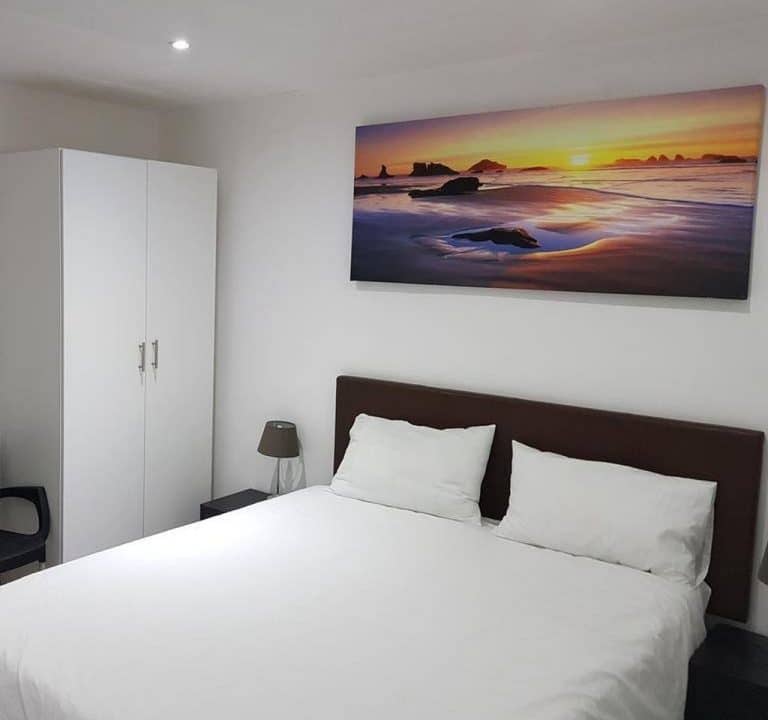
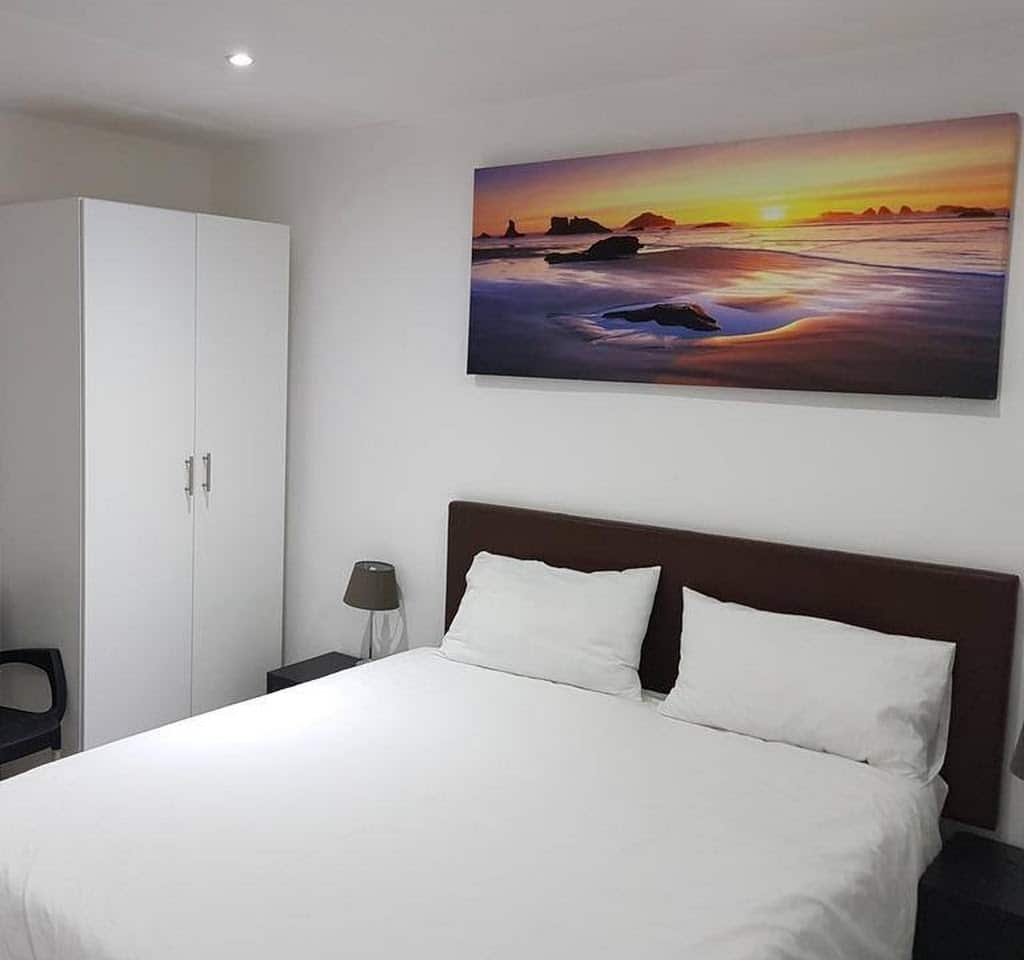
Nestled between the ocean and Table Mountain, Cape Town offers a rich mix of scenery, culture, and cuisine that makes it a superb destination for a varied short break or a longer stay. When planning where to stay, consider the vibe you want, the pace of your itinerary, and how you will move around the city. From stylish lodge retreats to sea‑front guesthouses and contemporary city apartments, the accommodation options in Cape Town cater to different budgets and preferences, with Annex Lodge serving as a notable example of the lodge experience that blends comfort with easy access to key sights.
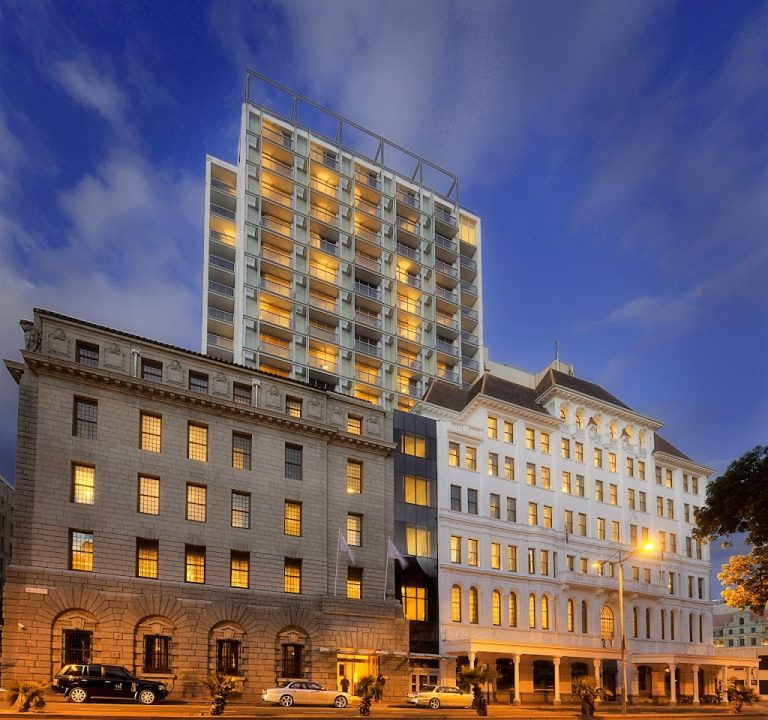
Areas to consider are diverse in character. The Atlantic Seaboard and the Victoria & Alfred Waterfront side offer coastal views, easy access to beaches, waterfront promenades, and a selection of restaurants and shops. The city centre provides a convenient base for business travellers, nightlife, museums, and historic architecture, while the Bo-Kaap area offers colour‑washed streets and a close connection to Malay heritage. The southern suburbs, including the Constantia wine route and southern Peninsula, present a more relaxed, leafy setting with wine estates, scenic drives, and hiking trails. For a quieter retreat, you might seek properties in neighbourhoods like Green Point, Camps Bay, or Hout Bay, each with its own character and proximity to different attractions.
When choosing accommodation, look for a few practical features that can enhance your stay. Proximity to a MyCiti bus stop or reliable transport links is helpful if you are not renting a car. Check parking availability if you plan to drive, and consider whether the property offers easy access to popular viewpoints and hiking trails. At the more intimate end of the spectrum, lodges and guesthouses can provide personalised service, local recommendations, and a cosy feel, while hotels may offer on‑site dining, concierge support, and airport transfer options. If you value a kitchen or self‑ catering facilities, some apartments and boutique lodges provide well‑equipped spaces for visiting families or longer stays.
Typical amenities to look for include free Wi‑Fi, secure parking, clean and well‑maintained rooms, comfortable bedding, and a reliable breakfast service. Some properties offer additional perks such as a pool, outdoor terraces, and guided tours or activity booking assistance. For families, consider rooms with interconnecting layouts or larger suites, while solo travellers may prefer properties with common lounges or social spaces for meeting other guests. If you have mobility needs, check for accessible entrances, lifts, and step‑free routes within the property and surrounding area.
Transport in Cape Town is relatively straightforward, though planning helps. The city’s public transport network includes a metropolitan rail service and the MyCiTi bus system, which covers many tourist hubs. Many visitors opt for a hire car to explore the surrounding regions, such as the Cape Peninsula or the Constantia wine routes, at their own pace. If you prefer organised options, look for accommodation that can arrange day tours, local guides, or transfers to Cape Point, Boulders Beach to see the penguins, or the Kirstenbosch National Botanical Garden. Within the city, walkable precincts around the waterfront and central areas are plentiful, but some attractions require short car or taxi rides.
The best time to visit Cape Town depends on what you want from your trip. The summer months (December to February) bring longer days and warmer seas, ideal for beach days and outdoor activities, though it is also peak tourist season. Autumn (March to May) and spring (September to November) offer pleasant weather, with fewer crowds and vivid landscapes as fynbos comes into bloom. Winter (June to August) can be cooler and windier, but it is also a time when you might encounter fewer queues at popular sights and better value lodging. If you plan to dine out widely, be prepared for popular restaurants to book well in advance during peak periods.
When outlining an itinerary, include a mix of natural scenery, cultural experiences, and culinary treats. Iconic drives along the Atlantic coast reveal sea cliffs and coves, while a visit to Table Mountain National Park will reward you with panoramic views from the summit or the steeper routes for keen hikers. Coastal towns along the False Bay and Peninsula routes offer charming stops with café stops and boutique shops. In terms of dining, Cape Town is known for seafood by the harbour, vibrant neighbourhood eateries, and farm‑to‑table cuisine in wine country areas. Seek out places that emphasise fresh ingredients, seasonality, and local wine pairings to capture the full flavour of the region.
Practical tips to keep in mind:
- Book well in advance for peak seasons and weekends, especially if you have a preferred area or a specific property in mind.
- Confirm how your accommodation handles breakfast, housekeeping schedules, and late‑arrival arrangements if your plans are flexible.
- Check accessibility details, parking policies, and whether a property offers shuttle services or easy access to public transport.
- Pack layers for varied weather, particularly if you plan coastal walks or early morning ascents of Table Mountain.
- Reserve key experiences ahead of time, such as harbour tours, wine‑estate visits, or guided walks, to avoid disappointment.
For planning resources, you can explore official visitor information sites and local guides to tailor a stay that balances relaxation with exploration. A well‑rounded trip often combines comfortable lodging with strategic activity planning, enabling you to enjoy both the iconic views and the lively urban fabric that Cape Town offers. Whether you choose a serene lodge such as Annex Lodge, a chic apartment near the waterfront, or a guesthouse tucked away in a hillside neighbourhood, Cape Town rewards travellers with diversity, beauty, and a warm sense of South African hospitality.