Welcome to Cape Town: Where accommodation, attractions, and dining converge for an unforgettable stay
Cape Town presents a compelling mix of scenery, culture and coastline, making it a magnet for both city breakers and nature lovers. Whether you are seeking a chic urban base, a sun-soaked seaside retreat, or a peaceful stay among vineyards, the city offers a range of accommodation to suit every mood and budget. When planning your visit, think about the area that best matches your priorities—easy access to sights, a calmer residential vibe, or a lively nightlife and dining scene.
In the heart of the city, options such as boutique hotels and stylish guesthouses provide convenient access to major attractions, museums, markets and vibrant cafés. For a scenic coastal escape, the Atlantic Seaboard and the subtropical Constantia valley offer sea views, outdoor spaces and easy access to nature trails. The Constantia wine route nearby is perfect for day trips, while the Camps Bay and Clifton stretches are beloved for sunset walks along the beach. For a more family-friendly or quieter stay, areas such as Newlands, Oranjezicht or Muizenberg provide leafy streets, easy transport links and proximity to parks and beaches.
When booking, consider the following to ensure a smooth stay. First, identify your transport needs. Cape Town’s MyCiTi bus network spans several routes, while Uber and taxi services are widely used for shorter trips and evenings out. If you are staying near the city centre or the V&A Waterfront, many attractions are walkable or a short ride away. For a more self-contained experience, choose a base near a MyCiTi stop or closer to the seaside or vineyard routes with parking facilities if you plan to hire a car.
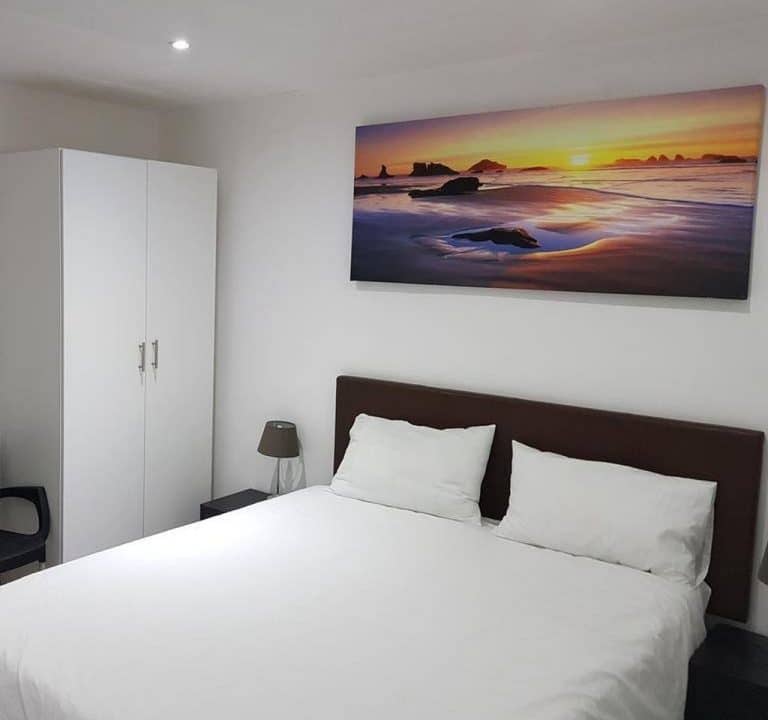
Typical amenities you can expect from quality places in Cape Town include reliable Wi‑Fi, comfortable bedding, climate control, and en-suite bathrooms. Some properties offer self-catering facilities, outdoor terraces, or swimming pools with panoramic views. A handful of hotels and guesthouses also provide breakfast included in the rate, while others operate on bed-and-breakfast or room-only bases. If you are planning a longer stay or travelling with family, look for family rooms, suites, or apartments with separate living spaces and kitchenettes so you can manage meals and routines with ease.
For a practical planning approach, consider these tips:
- Define the vibe you want—urban convenience, beachfront relaxation, or countryside quiet—and choose a base accordingly.
- Check access to essential sights and experiences, and note approximate travel time to ensure you can maximise your days.
- Assess the availability of parking if you will hire a car, and confirm that the property has adequate security and guest facilities.
- Look for flexible cancellation policies and clear information on housekeeping and guest services in case plans shift.
- Review guest feedback on transport connections, cleanliness, and staff assistance to gauge what to expect during your stay.
Beyond the lodgings, Cape Town’s attractions and experiences offer something for every interest. Iconic landmarks and lookout points provide dramatic perspectives of Table Mountain and the harbour. The waterfront precinct is a hub for shopping, eateries, and scenic harbour experiences, while the historic districts reveal a blend of cultures through architecture, markets and the arts. For nature lovers, easy-access trails and nature reserves unfold across the Peninsula, the Cape Flats and surrounding hills, with opportunities for hiking, penguin watching, and panoramic coastal views.
Dining in Cape Town is a highlight in itself. The city’s culinary scenes range from casual bistros and beachside eateries to refined gastronome experiences, often with a focus on fresh, seasonal produce from the Western Cape. You will find restaurants offering fresh seafood, vibrant vegetarian options, and dishes inspired by local flavours, with many venues also showcasing excellent wine lists featuring nearby estates. When planning meals, you can opt for a simple breakfast at your accommodation, a seaside lunch with a view, or an evening dining experience in a stylish restaurant district.
When selecting a place to stay, consider proximity to your preferred experiences—whether you want sunrise visits to the ocean, afternoon tours of the countryside, or evenings exploring markets and cultural venues. A sample option to explore in the area is Cape Gardens Lodge Hotel, a mid-range choice that can serve as a convenient base for exploring the city and its surroundings. While each property will differ, many offer helpful staff, local tips, and comfortable spaces that help you settle in and make the most of your time in Cape Town.
Best time to visit Cape Town varies with your plans. Spring (September to November) and autumn (March to May) offer mild weather and manageable crowds for outdoor activities and sightseeing. Summer (December to February) brings longer days and lively outdoor scenes, though peak tourist periods mean busier streets and higher rates. Winter (June to August) is cooler and damper, with occasional rain, yet the city’s indoor attractions, markets, and wine routes continue to be inviting. Whatever season you choose, packing layers, a lightweight rain jacket, and comfortable walking shoes will serve you well for round-the-clock explorations.
For more information, plan ahead with reputable tourism resources and local guides that provide up-to-date suggestions on routes, events, and seasonal experiences. Cape Town remains widely welcoming to travellers, with a broad spectrum of accommodation and activities designed to suit independent explorers, families, couples, and groups seeking memorable moments along the South African coast.