Cape Town: A Guide to Short-Stay Comforts, Local Flavours and Practical Planning
Cape Town is a city of striking contrasts, where mountain scenery meets sparkling coastline and a vibrant culinary scene sits alongside historic neighbourhoods. When choosing accommodation, travellers benefit from thinking about what kind of stay will best suit their plans—whether a peaceful coastal retreat, a central base for city excursions, or a stylish rural-chic escape within easy reach of the winelands. The following guidance helps with planning a satisfying stay in this diverse region.
Areas to consider
- V&A Waterfront and the central city: ideal for first-time visitors who want easy access to tours, ferries, museums and a broad choice of restaurants. Accommodations here range from well-appointed apartments to boutique hotels with harbour views.
- Green Point and Sea Point: popular with travellers who favour a beachfront atmosphere, coastal walks, and a slightly quieter ambience than the heart of the city, while remaining walkable to many sights.
- City Bowl and the umber of mountain-adjacent neighbourhoods: perfect for those who love a more residential feel, from charming cottages to guesthouses with cosy parlours and leafy streets nearby.
- Bree and Constantia in the southern suburbs: excellent for visitors prioritising trees, gardens, and easy access to the winelands, with many guesthouses and self-catering options offering full kitchen facilities.
- Constantia and the Cape Peninsula: ideal for a slower pace, larger terraces and proximity to nature, with opportunities to explore wine estates and coastal viewpoints.
Booking considerations and typical amenities
When selecting a property, look for clarity on the following aspects:
- Space and privacy: confirm whether you are staying in a self-contained unit, a cottage, or a room within a larger home.
- Layout and light: Cape Town’s climate loves bright, sun-filled spaces. If you plan to spend evenings indoors, check for comfortable seating and reliable heating or cooling as needed.
- Kitchen facilities: for longer stays or families, a well-equipped kitchen or kitchenette makes a big difference.
- Wi‑Fi and workspaces: suitable for travellers who mix leisure with occasional remote work.
- Access and security: verify parking arrangements or proximity to public transport, and whether the property has secure entry and safe neighbourhood information.
- House rules and flexibility: policies on late check‑in, guest capacity, and cancellation terms are worth understanding before booking.
Transport and getting around
Cape Town’s geography makes some planning worthwhile. The city has a compact inner core with good public transport links and ride‑hailing options, while the surrounding areas benefit from car hire or guided day trips. If you prefer a car-free stay, choose a property within easy walking distance of MyCiTi bus routes or the Metro Rail network, and look for easy access to the V&A Waterfront, Green Point, or the central business district. For exploring the Cape Peninsula, a car is often the most convenient option, allowing for scenic drives along the Atlantic coast, the Chapman's Peak route, and harbour visits without timing constraints.
Best time to visit and practical tips
Cape Town experiences a temperate climate with dry summers and wet winters. The peak tourist season is typically from late spring to early autumn, when coastal breezes keep things comfortable and outdoor activities are particularly appealing. Shoulder seasons can offer quieter streets, lower rates, and still‑pleasant weather for coastal walks, garden visits, and wine‑land excursions. Practical tips include packing layers for changing conditions, including a light rain jacket, sun protection for higher UV levels, and sturdy footwear for uneven pavements and coastal paths.
More than a base: attractions, experiences and dining ideas
Beyond places to stay, Cape Town offers natural beauty, culture and cuisine that are easy to enjoy in a self-guided fashion. Iconic views from Table Mountain or coastal viewpoints make for memorable photo opportunities, while beaches, harbours and markets provide a sense of place. Within the city, well‑curated museums and galleries offer insight into the region’s history, biodiversity and maritime heritage. On the dining front, you will find diverse options ranging from casual seaside eateries to refined establishments emphasising fresh, locally sourced ingredients. In general terms, many visitors value restaurants that highlight regional produce, whether seafood from nearby Atlantic waters, pasture-raised meats, or vibrant vegetable dishes inspired by local flavours.
Highlighting a sample stay: Cape Penguin Cottage
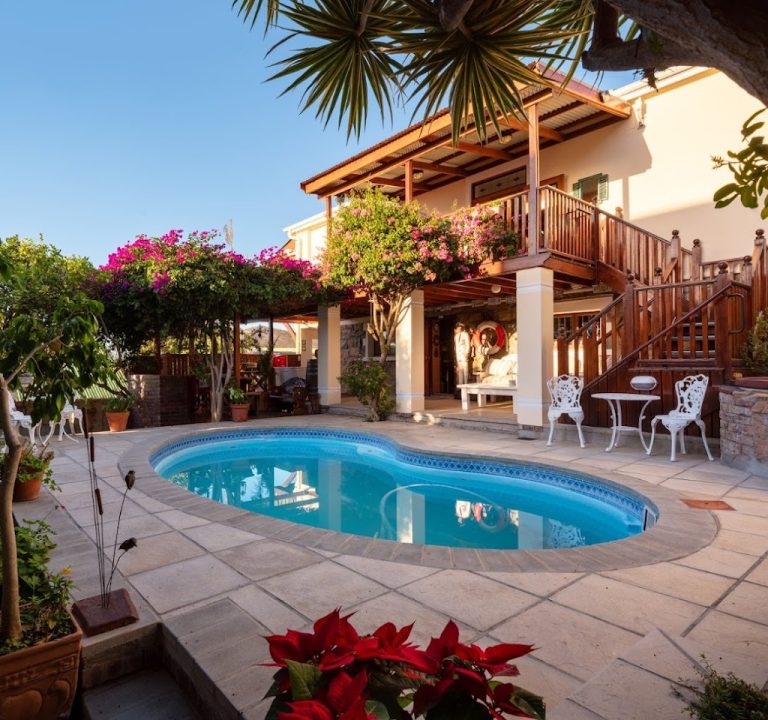
Consider Cape Penguin Cottage as a case study for a relaxed, homely option that complements a Cape Town itinerary. This cottage-style accommodation provides a comfortable base with easy access to coastal routes and urban attractions, paired with the chance to enjoy a quiet street setting after a day of sightseeing. For more information, see the property’s official website: Cape Penguin Cottage.
Practical planning checklist
- Define your priorities: proximity to sights, beach access, or winelands days.
- Check access to transport and the possibility of parking if you plan to travel by car.
- Review kitchen facilities if you prefer home-cooked meals or long-stay convenience.
- Confirm Wi‑Fi quality for streaming or remote work needs.
- Bring a small travel adaptor and an extra power bank for long days of outdoor activity.
With careful planning, a stay in Cape Town can balance restful downtime with energising explorations. By selecting the right area, understanding what to expect from your accommodation, and pairing your visit with a mix of natural beauty, cultural experiences and dining, you can craft a memorable South African break that fits your pace and preferences.