Cape Town: Accommodation, Attractions and Practical Tips for a Memorable Stay
Cape Town is a city of contrasts, where rugged coastlines meet cosmopolitan streets, and where a well-chosen base can unlock easy access to iconic mountains, beaches and vibrant neighbourhoods. When planning a stay, think about what experiences you want to maximise: ocean views, easy access to the city’s landmarks, or a quieter retreat in the surrounding hills. A well-chosen guest house, boutique hotel, or self-catering apartment can serve as a comfortable home base for exploring the Western Cape’s treasures.
Areas to consider include the City Bowl, which puts you within walking distance of museums, markets and excellent dining, while the Atlantic Seaboard offers dramatic coastline, pristine beaches and sunset views. The V&A Waterfront is convenient for harbour-front strolls and excursions, and Green Point or the nearby Mouille Point provide a lively mix of cafés, parks and easy transport access. For travellers seeking lush greenery and refined dining, the Constantia Valley and neighbouring suburbs provide a more relaxed atmosphere with a focus on wine and nature. If staying near nature is your priority, consider theConstantia Valley’s scenic routes or the scenic highlands just outside the city fringe.
When booking accommodation, look for a few practical features. A comfortable bed and good insulation for hot days or occasional cool evenings are essential. En-suite bathrooms and reliable Wi‑Fi are often important for longer stays or work trips. A guest house with secure parking or easy access to public transport can save time and worry, while breakfast options—whether a traditional cooked breakfast or a continental spread—offer a helpful start to busy days. Self-catering facilities, such as a kitchenette or a shared kitchen, are useful if you’d like flexibility. A guest house with a friendly, knowledgeable host can provide local tips, from calmer walking routes to less-touristy dining spots.
Transport in Cape Town is well supported by a mix of iconic and practical options. The MyCiTi bus network covers major corridors and offers a straightforward way to reach popular areas from central hubs. Ride-hailing services are widely used and can be handy for evening outings or trips to the beach. If you plan coastal drives, a hire car gives you freedom, but remember that roadworks and peak traffic can affect travel times. Within city limits, many areas are walkable or bicycle-friendly, especially around the Central Business District, the Company’s Garden, and the Foreshore, where you can combine strolls with café stops and views of Table Mountain.
Seasonality plays a large role in Cape Town. The city enjoys a Mediterranean climate with warm, dry summers and cooler, wetter winters. The best time to visit for outdoor activities and panoramic vistas is typically from late spring through autumn. However, winter can bring dramatic skies over the Atlantic and fewer crowds, which some travellers find appealing for city visits and cultural experiences. If you’re travelling in peak season, it’s wise to book accommodation well in advance and to plan day trips during the early morning or late afternoon to make the most of pleasant temperatures and lighter traffic.
Guided experiences and attractions around Cape Town are varied and widely available. Natural highlights include scenic viewpoints along the coastline, a cable-car ride up to a famous plateau for sweeping city and sea views, and visits to nature reserves and botanical gardens. Cultural experiences range from historic neighbourhood tours to markets offering crafts, street food, and local music. For dining, the city’s restaurants and informal eateries offer a spectrum of flavours, with emphasis on fresh seafood, seasonal produce, and South African favourites. When selecting places to eat, you may want to explore districts known for their relaxed atmospheres, with options ranging from casual cafés to more contemporary venues. Respectful planning and reservation, where possible, can help you secure a comfortable table during busy periods.
Practical tips for a smoother stay:
- Check how close your accommodation is to major sights and preferred transport routes; it can save time and reduce fatigue.
- Ask about security features, on-site parking, and access controls, especially if staying in popular or high-density areas.
- Clarify breakfast timings and what is included in self-c catering options, if relevant.
- Note local norms for tipping and service charges, which vary by venue.
- Pack adaptable clothing for a variable climate and the potential for strong coastal winds.
- Bring a compact universal adaptor, as sockets and voltages may vary.
- Use reputable operators for tours or activities and verify inclusions before booking.
- Plan day trips to iconic locations for sunrise or sunset experiences, which offer particularly memorable photography opportunities.
- Respect protected natural areas and follow safety guidelines, especially when beachgoing or hiking along the coast.
- Consult official tourism resources for current events, weather advisories and seasonal highlights: https://www.capetown.travel
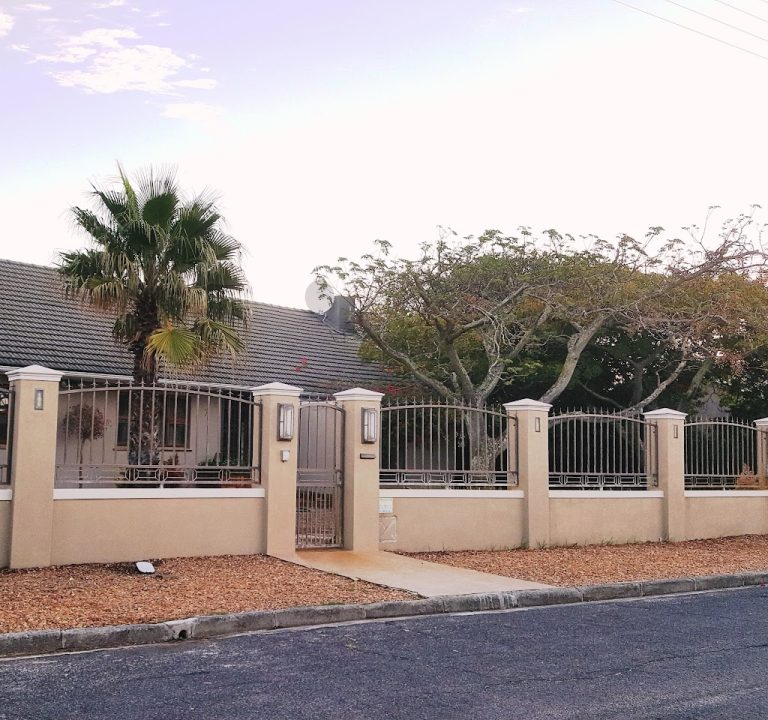
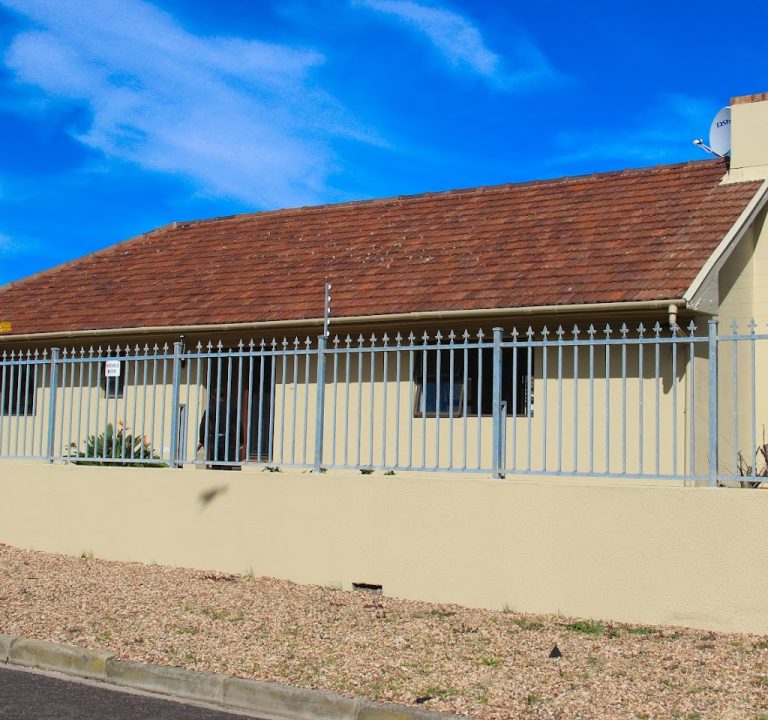
For a well-rounded Cape Town stay, pair your accommodation choice with flexible day plans: morning walks in green spaces, a mid-mweek museum visit, a harbourfront stroll, and a relaxed evening meal with harbour or mountain views. A well-situated guest house, such as Cape Hope Inn, can be a cosy anchor for your itinerary, offering friendly service and convenient access to a range of attractions and dining options. With careful planning and a preference for balanced experiences, your Cape Town visit can be both comfortable and richly rewarding.