Cape Town: Accommodation, neighbourhoods and planning your stay
Cape Town offers a diverse range of places to rest, from stylish boutique stays to family-friendly B&Bs and larger group properties. When planning where to stay, consider the kind of experience you want: oceanside views, easy access to the city’s cultural highlights, or a leafy, tranquil base from which to explore wine country and coastal trails. The Western Cape’s most popular areas for visitors each bring a distinct flavour, and choosing the right neighbourhood can elevate your trip.
The City Bowl and central districts are ideal for exploring museums, markets, and historic streets on foot. This area is walkable, with a lively mix of cafes, restaurants and bars, and easy access to the hop-on, hop-off experiences and MyCiTi bus routes. For breathtaking beachside stays with a cosmopolitan vibe, the Atlantic Seaboard and nearby suburbs provide dramatic views of the Atlantic Ocean and Table Mountain into the late afternoon light. Camps Bay and Clifton are renowned for their sunsets, while Green Point and Mouille Point offer convenient proximity to the V&A Waterfront and stadiums. If you are travelling with a group and prefer more self-contained living, look for larger properties, apartment blocks or guesthouses advertised as group accommodation, such as those that can arrange shared facilities or common lounges.
Constantia and the southern slopes of Table Mountain present a different pace: cooler air, vineyard routes, and quieter streets. This area is well suited to guests who aim to combine outdoor activities with relaxed evenings, often featuring larger homes or country-style guesthouses with access to private gardens or pool areas. Return visits to the city can be complemented by day trips along the False Bay coastline or the Constantia Wine Route, so a flexible base with parking can be especially helpful.
When you book, look for a few practical amenities that can make a big difference to your stay. A reliable Wi‑Fi connection is essential for planning daily activities and staying connected. Parking availability is another key factor, particularly if you plan to hire a car or join day trips. A good breakfast can save time in busy mornings, while self-catering facilities offer flexibility for families or longer stays. If you’re travelling with a larger group, find properties with communal living spaces, additional bathrooms, and enough sleeping arrangements to keep everyone comfortable. Clear information about access and check-in procedures also helps, especially if you are arriving late or from a different time zone.
Transport in Cape Town is straightforward but can vary by area. The MyCiTi bus network covers popular routes between the city centre, the central Atlantic coast, and the southern suburbs, making day trips to nearby attractions feasible without a car. Taxis and ride-hailing apps are widely used, and many properties offer easy connections to major sights. For travellers who want to explore wine lands or the coastal towns beyond Cape Town, consider a car rental or a guided day tour, which can be more efficient and comfortable than relying solely on public transport.
The best time to visit Cape Town tends to be during the shoulder seasons of spring and autumn, when the weather is mild and there are fewer crowds than in peak summer. Winter brings cooler, wetter spells, but many areas stay vibrant and there are still plenty of indoor and outdoor activities to enjoy. Summer is ideal for beach days, outdoor dining, and scenic hikes along the mountain and coastline, though it can be busier and pricier in popular spots.
In addition to accommodation, Cape Town offers a wide array of experiences. Visitors commonly enjoy scenic drives up Lion’s Head and Table Mountain, sunset viewpoints over the Atlantic Seaboard, and visits to local markets where crafts, art and treats can be sampled. Restaurant scenes range from contemporary South African cuisine to casual eateries with global influences; many places emphasise fresh seafood and farm-to-table ingredients. For those seeking experiences beyond food and lodging, landscape-led activities, such as wine tasting in nearby estates, harbour cruises, and guided historical tours, provide a fuller sense of the region’s character.
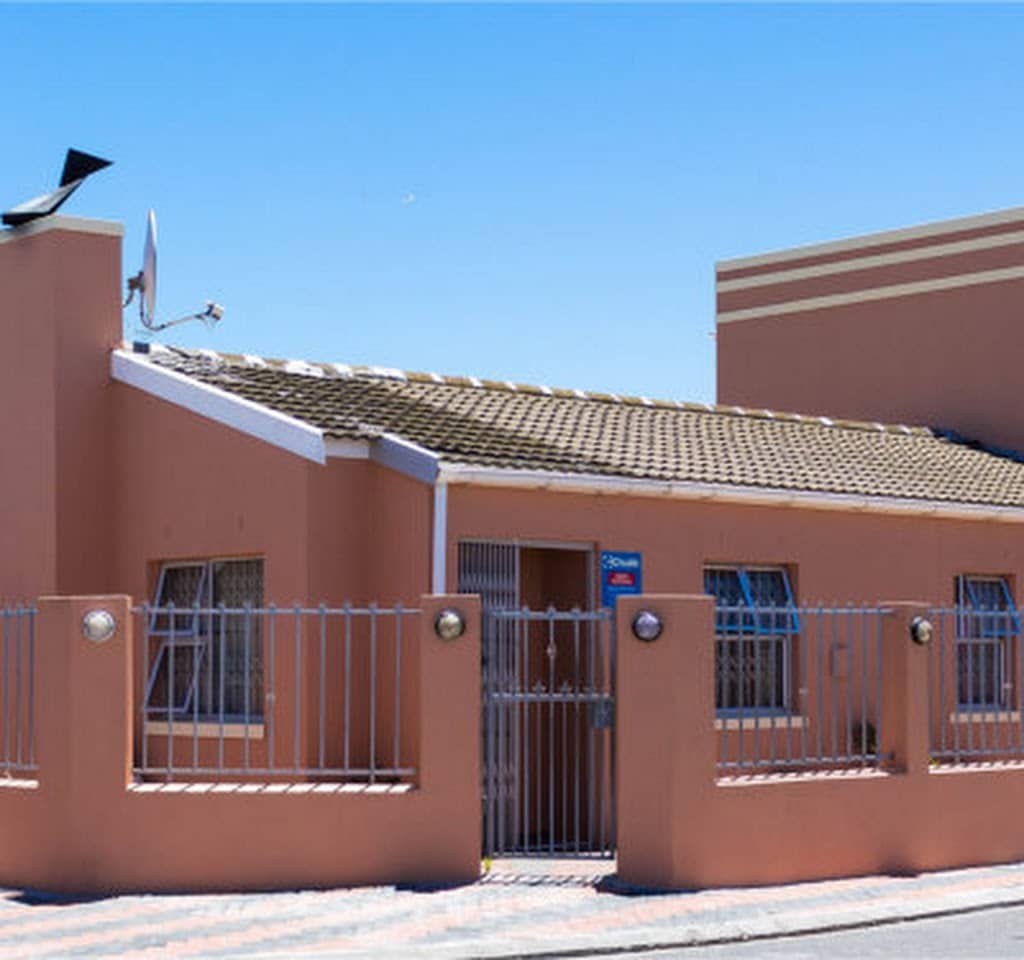
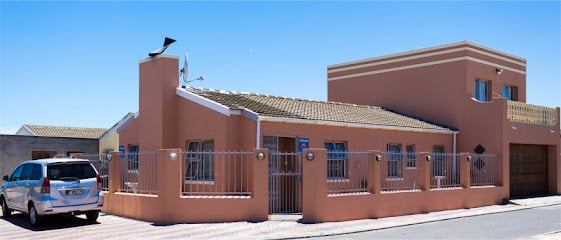
One example of a group-friendly option is Phoenix Paradise B&B, a property positioned to accommodate larger parties while delivering comfort and a homely atmosphere. Its location, facilities and services are tailored to groups seeking shared spaces alongside private sleeping areas. For more details, you can visit the property’s website: Phoenix Paradise B&B.
Planning tips at a glance:
- Choose a base that minimises daily travel time to your must-see spots.
- Check for parking and accessibility features if you plan to drive or tour by coach.
- Balance scenic locations with convenient access to transport hubs for easy exploration.
- Ask about breakfast options, self-catering facilities, and shared spaces when travelling with a group.
- Review cancellation policies and peak-season pricing to avoid surprises.
Whether you prioritise a stylish coastal stay, a central hub within walking distance of sights, or a spacious home away from home for a group, Cape Town’s accommodation options can be matched to most itineraries. With thoughtful planning, you can enjoy a memorable balance of comfortable lodging, local dining, and accessible adventures across the Cape Peninsula and its surrounds.