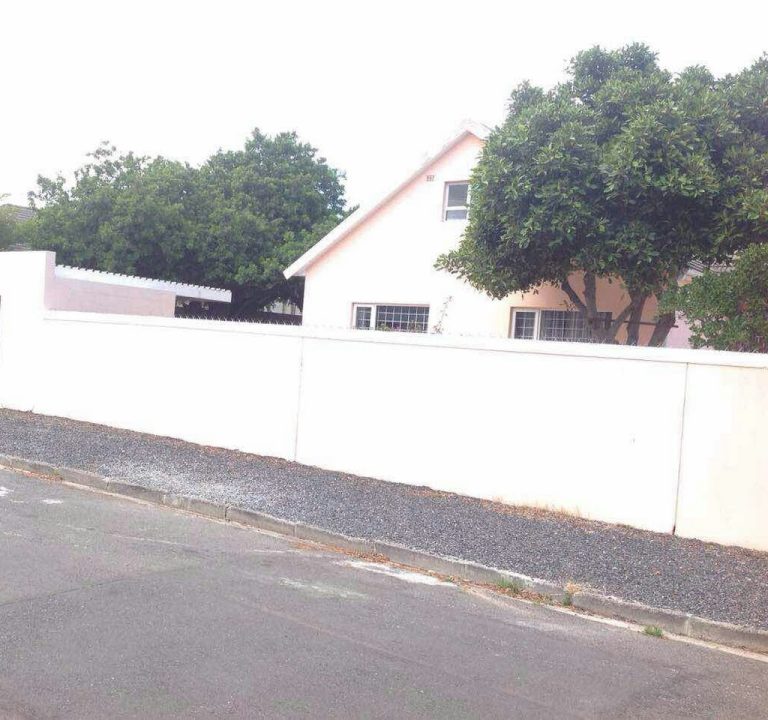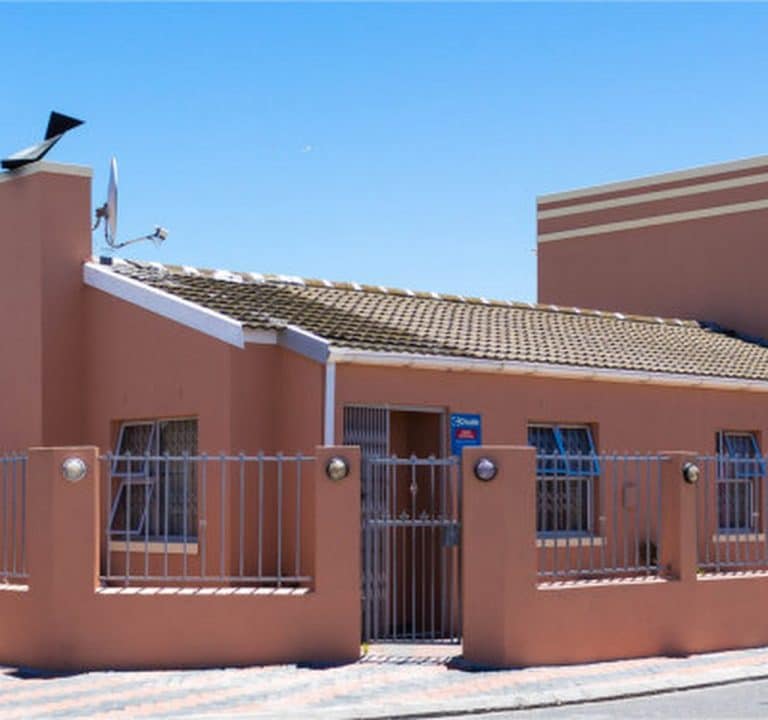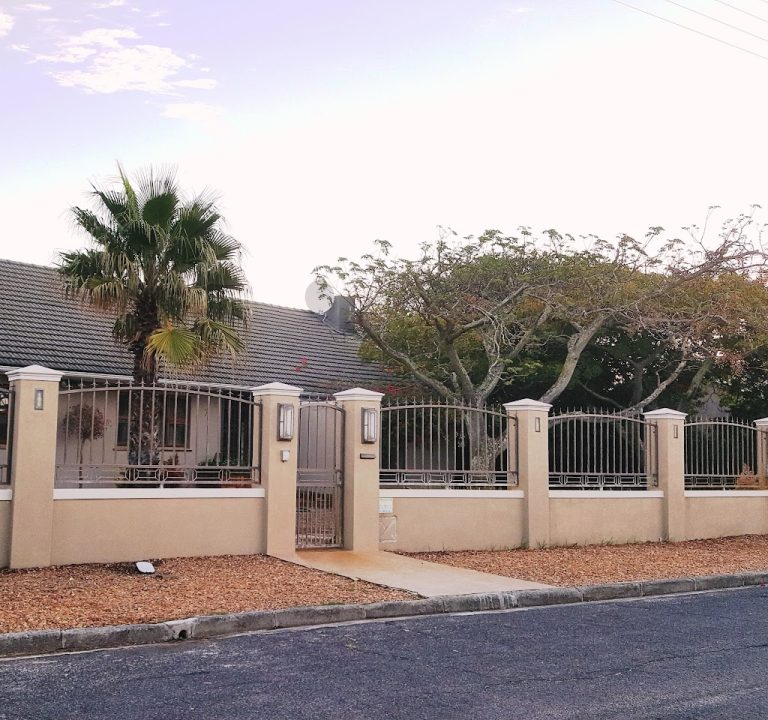
7 on Disa Self-catering Accommodation is a Guest house establishment in Cape Town, Western Cape, South Africa
About 7 on Disa Self-catering Accommodation, Cape Town
7 on Disa Self-catering Accommodation operates within Cape Town, in the Western Cape of South Africa, offering a private stay option for visitors seeking a self-contained retreat. The available information on the site is limited, with the page returning a 404 error for the homepage, which means specific details about the property’s features, room configurations, on-site facilities, policies or pricing are not readily accessible through the provided content. In such cases, prospective guests are encouraged to use the official website as the primary source of truth and to reach out via the platform’s contact options for the most up-to-date information.
From a traveller’s perspective, self-catering stays in Cape Town tend to appeal to those who value flexibility and independence. These arrangements typically offer a private living space with a kitchen or kitchenette, allowing guests to prepare meals at their own pace. Such setups can be convenient for families, groups, or long‑stay visitors who prefer the option to cook, rather than rely solely on dining out. Without explicit details on 7 on Disa, readers should verify whether the accommodation provides full self-catering facilities, a shared kitchen, or other kitchen-enabled spaces, and whether there are any restrictions or additional charges linked to use of facilities.
Another aspect guests often consider is the layout and style of the accommodation. Self-catering properties can range from compact studios to spacious suites or separate cottages, each with its own character and practical amenities. In the absence of concrete descriptions for 7 on Disa, it is prudent to confirm the number of bedrooms, bed configurations, private facilities (such as en-suite bathrooms), and whether there are outdoor spaces, parking, or security features. When a listing does not clearly state these details, a direct enquiry through the official site or booking platform helps prevent surprises upon arrival.
Location is frequently a key determinant for visitors to Cape Town. While the precise neighbourhood of 7 on Disa is not specified in the accessible content, Cape Town’s diverse areas offer distinct experiences—from leafy residential streets close to Table Mountain to harbour-side viewpoints and bustling city hubs. Travellers may wish to map the property against their itinerary, considering proximity to natural landmarks, beaches, and convenient transport links. Availability of reliable transport, easy access to local amenities, and safety considerations are practical factors to weigh when selecting a self-catering option in the city.
For those planning a stay in Cape Town, nearby highlights commonly enjoyed by visitors include iconic mountain landscapes, scenic coastal vistas, and vibrant urban life. While not tied to the specific accommodation, planning around the city’s top attractions can help maximise time spent exploring. Guests might structure days around nature trails or viewpoints, followed by evenings exploring markets, museums, galleries or dining venues in nearby districts. It remains essential to verify, with the host or listing page, which attractions are most conveniently reached from 7 on Disa, and whether any partnerships or local tips are available for guests.
Booking and travel tips for this type of accommodation include a few practical steps designed to streamline the process when direct details are scarce on the site:
- Direct enquiry: Contact the property via the official website to confirm room types, amenity lists, housekeeping options, check-in procedures, and any house rules or security considerations.
- Clarify self-catering arrangements: Confirm whether a fully equipped kitchen is provided, the availability of essential kitchen amenities, and any restrictions on external services or deliveries.
- Policies and pricing: Seek clear guidance on minimum stay requirements, cancellation terms, and whether rates include utilities, wifi, or cleaning services.
- Accessibility and locality: Ask about parking availability, accessibility features if required, and the exact distance to key Cape Town landmarks or transport hubs.
- Recent guest experiences: If available, review recent guest feedback to gauge consistency in cleanliness, responsiveness, and overall guest satisfaction.
In the absence of detailed on-page information, the emphasis for potential guests should be on confirmation and clarity. The official website remains the best channel for obtaining current details about 7 on Disa Self-catering Accommodation, including any noteworthy updates, seasonal offers, or new facilities. When planning a trip to Cape Town, a well‑scoped self‑catering option can provide the flexibility needed for a tailored itinerary, whether that itinerary centers on outdoor adventures, cultural experiences, or relaxed downtime in a familiar, home-from-home setting.
Ultimately, 7 on Disa Self-catering Accommodation presents an opportunity for visitors to experience Cape Town from a self‑sufficient vantage point. With the core appeal of self-catering living and a localisation within a city known for its natural beauty and urban energy, the stay could offer a convenient base from which to explore the Western Cape’s famed coastline, mountains, and hinterland. Prospective guests are advised to verify all essential details directly through the property’s official channels to ensure that the stay aligns with individual preferences, travel plans, and budget.
Cape Town
Western Cape
7441
South Africa
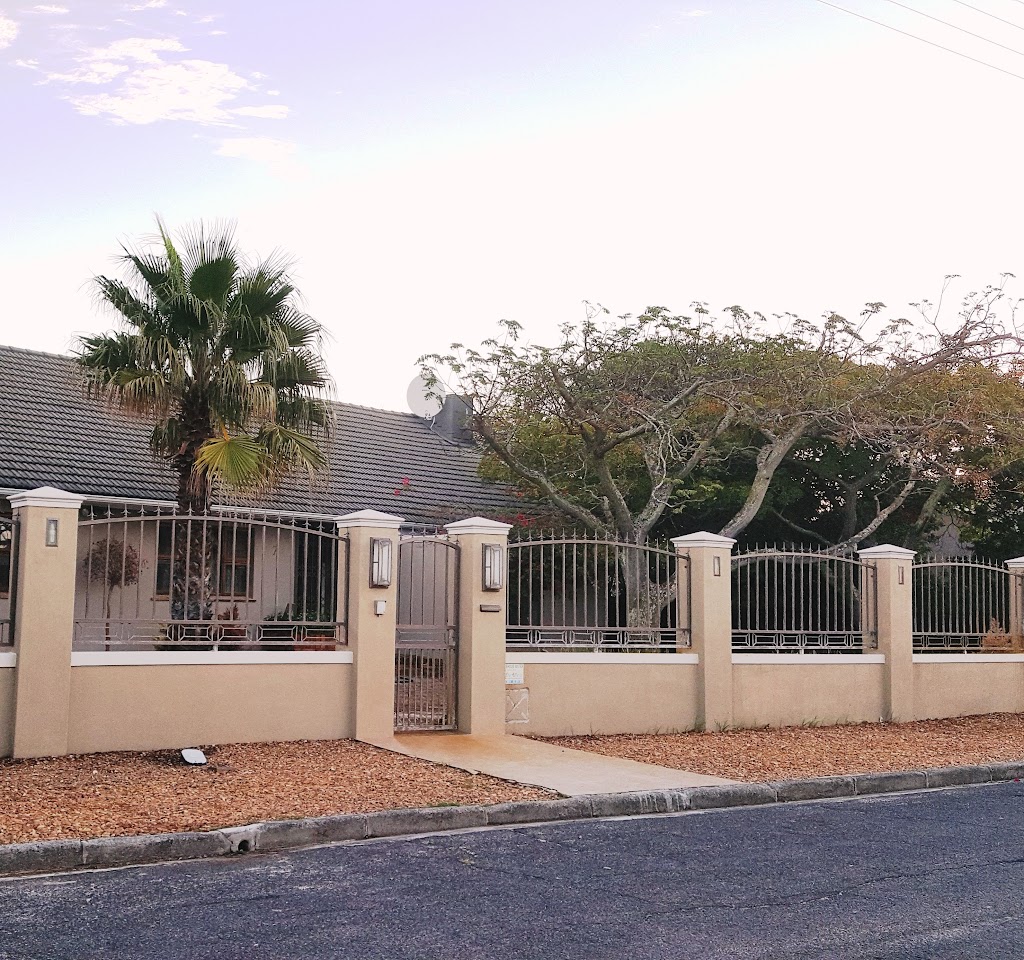
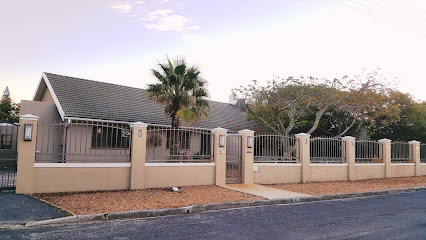


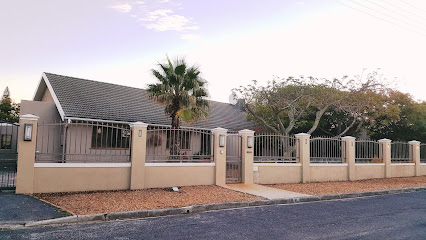


Cape Town: Accommodation and Experiences for a Well‑planned Stay
Cape Town blends natural beauty with a vibrant urban scene, making it a perennial favourite for travellers seeking both easy comfort and moments of adventure. When choosing accommodation, consider a neighbourhood that matches the pace you want and the sights you plan to visit. A guest house or self‑catering option can offer a home‑from‑home atmosphere, with practical features that simplify a stay in the city and its surroundings.
Areas to consider include the compact and convenient City Centre, which provides easy access to business hubs, museums and a wide range of dining options; the Atlantic Seaboard, known for its beaches, ocean views and stylish self‑catering or boutique stays; the leafy Constantia Valley with wine estates and relaxed eateries; Camps Bay and Clifton for sun and scenery, especially over the warmer months; the historic Bo‑Kaap with its colourful lanes and cultural flavour; and the V&A Waterfront area for harbour views and proximity to activities and tours. In the Southern Suburbs, you can find guest houses and self‑catering properties that balance access to the city with a quieter residential feel.
When booking, look for properties that clearly state their type (guest house, self‑catering, boutique hotel) and offer honest descriptions of room layouts, kitchen facilities, and common spaces. Practicalities to check include the availability of on‑site parking, secure access, reliable Wi‑Fi, and flexible check‑in arrangements. If you are travelling with family or a group, verify whether multiple bedrooms or sofa beds are available and whether the kitchen is well equipped for self‑catering. A compact, well‑furnished space with a dedicated living area can make a longer stay more comfortable, especially if you plan to work remotely or enjoy occasional home‑cooked meals after day trips.
Typical amenities you might encounter include private or shared bathrooms, linen and towels provided, cooking facilities ranging from kitchenettes to full kitchens, air‑conditioning or fans, personal toiletries, and daily or weekly housekeeping options. For families, properties that provide cots or high chairs can be helpful; for longer stays, self‑catering options with laundry facilities reduce daily packing needs. If you value security, check for 24‑hour reception, secure parking, and good lighting in common areas. Some properties also offer outdoor spaces, such as balconies or small gardens, which are particularly pleasant during Cape Town’s mild spring and summer months.
Transport is a key consideration. Cape Town has a growing but still evolving public transport network, including rapid buses and a robust ride‑hailing system. For flexibility and scenic drives along the coast or to wine farms, renting a car is common; however, many areas of central Cape Town are walkable or well served by taxis and ride‑hailing services. If you plan day trips to the Cape Peninsula, Kalk Bay, or the Winelands, a car can be very convenient. If you prefer not to drive, choose a location with good access to reliable transport links and organised tours that can collect you from your accommodation.
The best time to visit Cape Town depends on what you want from your trip. Spring (September to November) and autumn (March to May) offer pleasant temperatures, blooming gardens, and fewer crowds than peak summer. Summer (December to February) brings warmer sea temperatures for beach days and longer daylight hours, but can be busier and more expensive. Winter (June to August) is cooler and wetter but still enriched by cultural events and fewer visitors. Pack layers, a light rain jacket, and sunscreen, as the climate can shift quickly, especially along the Atlantic coast.
Planning tips for an efficient stay include mapping your must‑see sights and grouping them by area to minimise travel time. Consider booking a stay in a well‑located neighbourhood with easy access to both attractions and dining options. For meals out, Cape Town offers a broad spectrum—from casual seaside spots with fresh seafood to refined kitchens offering contemporary South African and international fare. Many establishments emphasise local ingredients and seasonal menus, so you can enjoy dishes that reflect the city’s rich culinary scene without needing to travel far from your base.
For a balanced itinerary, combine outdoor highlights with cultural experiences. Iconic viewpoints and nature walks are complemented by museums and galleries that tell the region’s stories. Along the coast, you’ll encounter beaches and promenades that invite strolls at sunset. If you are seeking a restorative break, a stay in a guest house or self‑catering property with quiet residential surroundings can be ideal after busy days of sightseeing. In addition to natural beauty, consider exploring local markets, coffee shops, and bakeries to experience everyday Cape Town life and discover regional provisions you can enjoy back at your accommodation.
- Areas to consider for stays: City Centre, Atlantic Seaboard, Constantia, Camps Bay, Bo‑Kaap, V&A Waterfront, Southern Suburbs.
Example accommodation with a self‑catering focus can offer a practical base for a Cape Town visit, combining privacy, kitchen facilities and friendly hospitality. If you are exploring options such as 7 on Disa Self‑catering Accommodation, you can expect a guest‑house style stay that prioritises convenience for travellers who wish to self‑navigate the city while enjoying a comfortable home environment. For more details, you may visit the property’s website to review amenities, location and booking terms.
Ultimately, a well‑planned stay in Cape Town blends a comfortable base with access to outdoor adventures, iconic landscapes and a diverse dining scene. With careful selection of neighbourhood, a sensible transport plan and attention to practicalities, you can enjoy a memorable visit that balances relaxation, exploration and the flavours of this captivating city. For more information on a self‑catering option, see the linked accommodation page.
Sorry, no records were found. Please adjust your search criteria and try again.
Sorry, unable to load the Maps API.
Why Claim Your Listing?
Claiming your listing on the B&B Finder directory website is a valuable opportunity for business owners. Here are five reasons why you should consider claiming your listings:
Control Over Business Information: By claiming their listing, business owners can ensure that all the information presented is accurate and up-to-date. This includes details such as contact information, address, pricing, and available services or amenities. Accurate information helps prevent customer confusion and improves overall satisfaction.
Enhance the Listing: Once a listing is claimed, owners can enhance it by adding more comprehensive information and rich media, like high-quality photos and videos. These additions can make the listing more attractive and engaging to potential customers, thereby increasing the likelihood of bookings.
Marketing Opportunities: Claiming a listing can also open up additional marketing opportunities. Owners may be able to participate in promotional campaigns, special offers, and other marketing activities organized by the directory. This can increase visibility and attract more customers to the business.