Staying in Cape Town: Accommodation, planning and getting the most from your visit
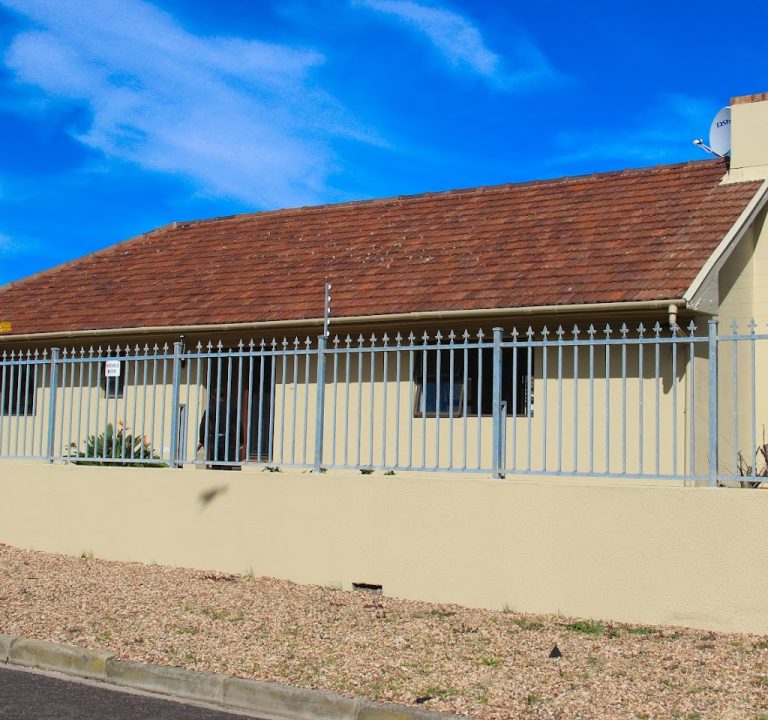
Cape Town, set against the backdrop of Table Mountain and the Atlantic Ocean, offers a versatile range of places to stay that suit different itineraries and budgets. Whether you prefer a chic city centre apartment, a seaside guesthouse, or a cosy family-run inn, you can expect warm hospitality, stylish interiors and access to some of South Africa’s most iconic scenery. For travellers seeking a comfortable base with character, consider well-situated options such as the Vero guest house, which blends homely touches with convenient access to major sights and transport links.
When planning where to stay, it helps to map out the areas that best align with your interests. The central city surrounds are great for undercover explorers, offering easy access to museums, markets, gastronomy and nightlife. The Atlantic Seaboard, including Camps Bay and Clifton, provides stunning ocean views and a more relaxed après-beach vibe. The southern suburbs are excellent for leafy neighbourhoods, boutique guesthouses and proximity to Kirstenbosch National Botanical Garden. The neighbourhoods around Green Point and the V&A Waterfront combine contemporary hotel stays with direct access to harbourside promenades and urban conveniences. For a more cultural encounter, the Bo-Kaap and Woodstock precincts offer characterful stays near art studios, cafés and historic lanes.
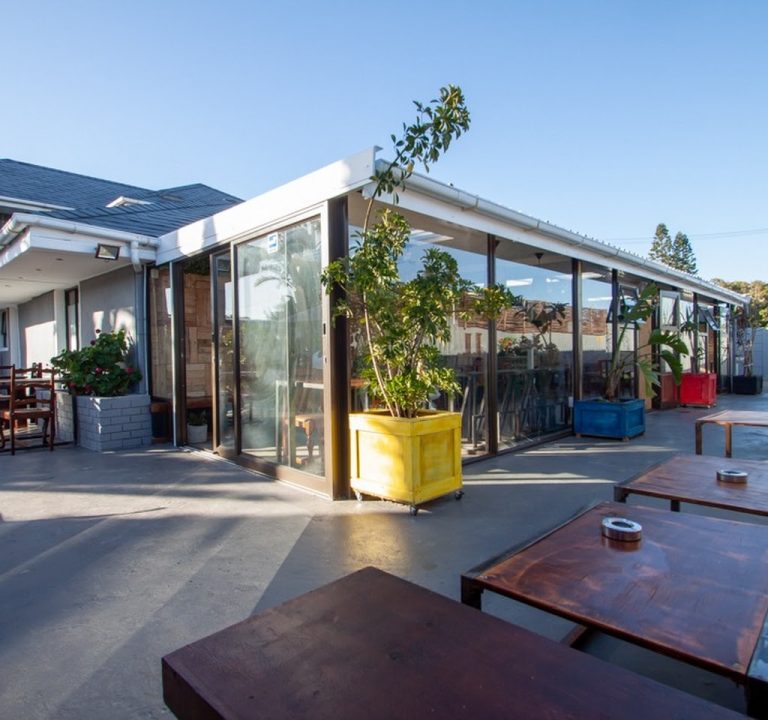
What to look for when you book a stay can shape the quality of your visit. Start with comfort and privacy: check bed sizes, room layout, sound insulation, air conditioning or heating, and en-suite facilities. If you’re travelling in peak season, flexible cancellation policies and room versatility (such as twin or double configurations) can be especially valuable. For a longer stay, look for well-equipped kitchens or kitchenettes, laundry access, and reliable Wi‑Fi. If you’re visiting during windy winter or rainy days, a cosy lounge area or a small library can be a welcome retreat. Design features such as shaded verandas, outdoor seating or rooftop terraces are also appreciated when Cape Town’s climate allows for alfresco living most of the year.
Transport is a practical consideration that can influence your daily plans. Cape Town’s MyCiTi bus network covers many popular routes, and ride-sharing services are common in the city core and along the coast. If your stay is in a quieter part of town, a rental car gives you the freedom to explore the Cape Peninsula, winelands and coastal viewpoints at your own pace. For shorter trips, many guesthouses offer shuttle services or can arrange private transfers. Proximity to a car park or easy access to public transport can save time and reduce stress, especially when venturing to beaches, markets and viewpoints with limited on-street parking.
The best time to visit Cape Town depends on what you wish to do. Summer (November to February) brings long days, warm seas and lively street life, ideal for beaches and outdoor dining. Autumn (March to May) and spring (September to November) offer milder weather and blooming gardens, with fewer crowds at popular sights. Winter (June to August) is cooler and wetter, yet the city takes on a different charm, with ocean swells attracting surfers and a cosy vibe in guesthouses and cafés. If you plan to visit the Cape’s famous winelands, book day trips or guided drives to secure preferred routes and timings, particularly on weekends when demand increases.
Typical amenities you might encounter include free Wi‑Fi, daily housekeeping, and secure access. Some boutique and guesthouse properties offer complimentary breakfast, which can be a convenient way to start a busy day of sightseeing. Many establishments in Cape Town also provide on-site parking, pool facilities, and outdoor spaces with views of Table Mountain or the harbour. If you’d like a sense of local life, consider properties with in-house or recommended partner eateries, small bars, or shared lounges where guests can swap travel tips and itineraries.
When planning activities, think in terms of a balanced itinerary that includes nature, culture, cuisine and relaxation. In the vicinity of the city, iconic natural features such as Table Mountain and flowering coastal trails provide a sense of place and memorable vistas. For family-friendly outings, nature reserves, beaches with safe swimming areas and gentle coastal trails are worth including. Fashionable dining districts offer a mix of casual bistros, sea-inspired menus and sophisticated eateries; many places prioritise quality ingredients and seasonal dishes without relying on high prices or pretension. For a taste of further afield experiences, day trips to the Cape wine routes, penguin colonies along the coast, or penguin-friendly nature reserves provide contrasts to city life.
Practical tips for a smoother stay:
- Book early for peak months but remain flexible where possible to adapt to weather and interests.
- Choose a base with good access to transport links or parking to maximise your time.
- Pack layers for a climate that can shift from sunny to breezy in minutes.
- Reserve popular activities or day trips in advance, especially over weekends and holidays.
- Respect local customs and local safety advice, particularly when venturing into coastal or rugged coastal areas.
Overall, Cape Town rewards thoughtful planning and a balance between comfort and exploration. Whether you base yourself in a stylish city centre bungalow, a seaside guesthouse, or a family-run lodge on the hillside, you can expect a warm welcome, a sensible pace for sightseeing, and plenty of opportunities to discover South Africa’s spectacular landscapes, diverse cuisine, and vibrant culture.