Cape Town: Where to stay, what to do, and how to plan a memorable visit
Cape Town’s appeal lies in its dramatic geography, diverse neighbourhoods and a pace that invites slow exploration. From sea views to mountain retreats, and a rich blend of cultures and cuisine, the city rewards spendy city breaks and budget-friendly escapes alike. A well-chosen accommodation base can make all the difference, helping you make the most of each day while offering a restful haven after adventures on the Atlantic seaboard or in the lush valleys beyond.
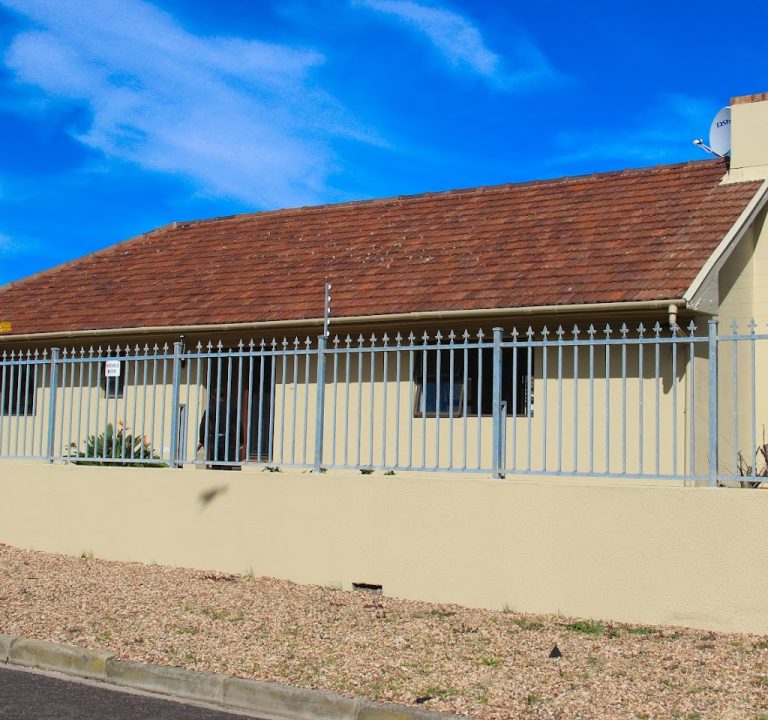
One example of a welcoming Bed & Breakfast that captures the personalised feel of a Cape Town stay is Muxima Guest House. Settings such as these often blend homely comfort with practical extras—delicious self-contained breakfasts, quiet corners to read, and staff who can point you toward local favourites and hidden gems. When selecting a B&B or guesthouse, look for a simple, honest breakfast offering, clear information about parking and access, and a friendly, knowledgeable host who can tailor recommendations to your interests.
Areas to consider when planning your stay depend on what you want to experience. The City Bowl and Green Point offer convenient access to museums, historic streets, bustling markets and a walkable waterfront vibe. The Atlantic Seaboard, including areas such as Camps Bay and Clifton, is ideal for beachside mornings, coastal strolls, and sunset views over the ocean. Constantia provides a quieter, greener escape with close proximity to renowned wine estates and scenic hiking trails. Woodstock and Observatory create a creative, affordable base with easy links to the central attractions and a strong hospitality scene. Each area has its own character, so it’s worth prioritising what you want most—easy beach access, proximity to Table Mountain, or a more laid-back, leafy break.
Booking considerations are straightforward but worth giving a moment of thought. Proximity to MyCiTi or other reliable transport options can save time and nerves, particularly if you plan to move about without a car. For travellers with a car, verify on-street or off-street parking availability and any charges. If you’ll rely on taxis or ride-hailing services, check how easy it is to access them from your accommodation, especially late at night. For families or groups, request rooms with en-suite facilities or adequate shared bathrooms, and confirm whether a kitchenette or self-catering option is available if you anticipate picnics or quick breakfasts before early excursions.
Typical amenities that travellers look for include free Wi‑Fi, a comfortable work area if you’re combining travel with some remote tasks, good heating or air conditioning, and reliable security. Outdoor space is a nice plus in Cape Town, given the often mild climate; a balcony, terrace or garden seating area can transform mornings or evenings. A thoughtfully stocked guest pantry or breakfast room, sharing a kitchen or a small in-room fridge, can add genuine convenience for longer stays. If you’re hoping to book during peak season, consider making your reservation well in advance and request flexible terms in case your plans shift.
When it comes to dining and local flavours, Cape Town’s restaurant scene ranges from casual bistros to refined eateries with spectacular views. You’ll find markets and street-food stalls offering affordable, tasty options, alongside restaurants that showcase South Africa’s diverse culinary heritage. As you plan meals, look for places with seasonal menus, fresh produce, and a welcoming atmosphere rather than high prices or flashiness. Booking ahead for popular spots is wise in peak periods, while quieter neighbourhoods offer hidden gems you can discover with a bit of local guidance.
For a balanced itinerary, couple scenic outdoor experiences with cultural and historical discoveries. A stay near the city centre can anchor day trips to the dramatic coastal drives, the scenic plains of the Cape Flats, or the pine forests and trails that flank Table Mountain. If you’re drawn to wine and nature, a day trip to Constantia or nearby Paarl and Stellenbosch can complement a mountain walk with vineyard tastings and gourmet meals. Include a visit to botanically rich reserves or nature parks for a breath of fresh air and sweeping views.
Practical tips to help you prepare:
- Check the access and views: sea-facing rooms are wonderful but can be louder in high season; ask for quieter layouts if you sleep early or are light sleepers.
- Weather and clothing: bring a lightweight jacket for evenings and layers for varied temperatures, especially around Table Mountain where conditions can change quickly.
- Water and sustainability: many properties encourage mindful water use and recycling; follow simple guidelines for a greener stay.
- Time your visits: summer (December to February) is lively but busy; spring (September to November) and autumn (March to May) offer pleasant weather with smaller crowds.
- Safety basics: as with any major city, stay aware of your surroundings, keep valuables secure, and choose accommodation with secure access and clear safety information.
Cape Town rewards curiosity. With the right base—whether a cosy B&B, a chic guesthouse, or a family-friendly lodge—you can hinge each day on a lightweight plan: a morning walk with a coffee, a scenic drive or hike, a late lunch at a neighbourhood favourite, and an evening at a restaurant that captures the city’s warmth and flavours. A well-chosen stay sets the rhythm for your Cape Town discovery, helping you weave together landscapes, culture, and cuisine into a balanced, unforgettable visit. For further inspiration, explore official tourism resources and local accommodation listings to tailor your own Cape Town experience.