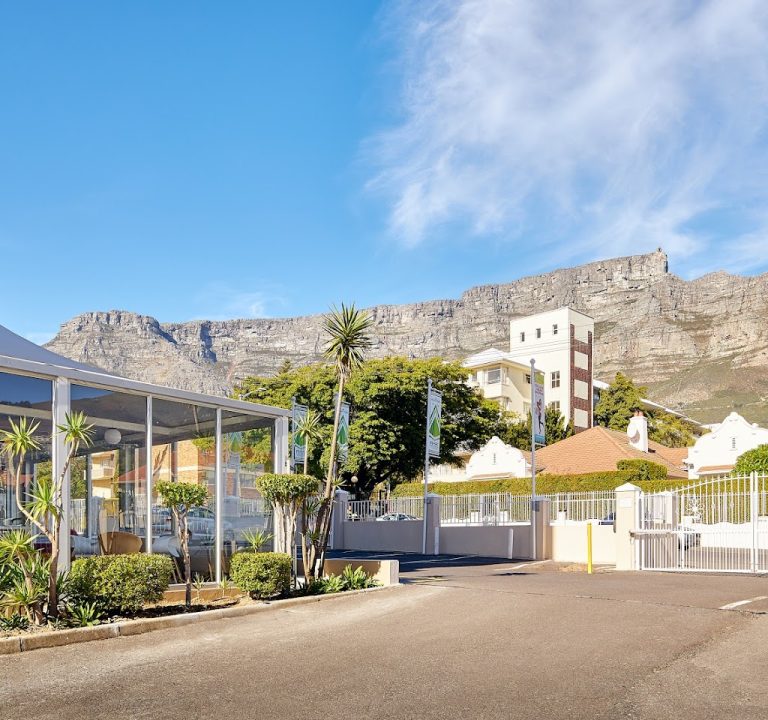
Staying in Cape Town: accommodation options and planning your visit
Cape Town is a city of contrasts, where beaches meet mountains and historic streets sit alongside modern eateries. When choosing a place to base your stay, consider the varied neighbourhoods that shape the experience: bustling city centre life, sea views and promenades in Sea Point, stylish but relaxed vibes in the City Bowl, leafy tranquillity in Constantia, and the coastal glamour of Camps Bay. For families or groups, guest houses and small boutique hotels can offer a warm, personalised welcome, while self‑catering apartments provide flexibility for longer stays. Whatever your preference, Cape Town’s accommodation options often balance character with comfort, making it easy to feel at home even while you explore.
When planning a stay, you’ll want to think about proximity to the places you plan to visit. If you intend to hike Table Mountain or take the cable car, staying near the central city or the Atlantic Seaboard can cut travel time. If you’re keen on wine and cuisine experiences, the Constantia Valley and nearby Constantia wine route provide easy access from several guest houses and boutique inns. Bed options range from characterful colonial guest houses with heritage features to modern inns offering contemporary design, often with communal areas, gardens or courtyards that encourage a leisurely pace after a day of sightseeing.
What to look for when booking a stay
- Location relative to your planned activities and transport options
- Access and safety features, including secure parking or drop‑off arrangements
- Clear, honest descriptions of rooms and facilities, including floor plans and photos
- Available amenities such as free Wi‑Fi, breakfast options, self‑catering facilities, and laundry services
- House rules that suit your schedule and group needs, including check‑in times and quiet hours
- Reviews from recent guests to gauge consistency and service quality
Typical amenities you may encounter include en‑suite bathrooms, comfortable common areas, and outdoor spaces like terraces or gardens. Many guest houses in Cape Town offer a generous breakfast, with options ranging from continental baskets to cooked items. In good weather, a sunlit courtyard or pool can be a real treat after roaming the city. For longer stays, kitchens or kitchenettes, laundry facilities, and information on local cooking classes or artisan markets can enhance your experience. If you’re travelling with family or a larger party, check room configurations and whether the property can provide extra beds or cots.
Transport and getting around are straightforward in Cape Town, though planning ahead helps. The city has ride‑hailing services and a growing network of well‑maintained roads. If you favour independence, consider renting a car; this gives you the freedom to explore the Cape Peninsula, Cape Point, and more remote beaches at your own pace. For central areas, popular options include walking and short rides to viewpoints, markets, and waterfront areas. If you prefer public transit, the MyCiti bus network covers key routes between the city centre, the Atlantic Seaboard, and the suburbs, though services can be less frequent outside peak hours. Many guest houses can offer practical advice on local transport and may arrange transfers or guided excursions on request.
The best time to visit Cape Town depends on your priorities. Peak tourism occurs in the southern hemisphere’s summer (roughly December to February), when days are long and beaches are inviting. Shoulder seasons in spring (September to November) and autumn (March to May) bring pleasant weather and fewer crowds, ideal for hiking and city touring. Winter (June to August) brings cooler temperatures and occasional rain, yet the city remains lively, with fewer visitors and inward experiences such as galleries, museums, and cosy eateries lining the streets. If you’re planning a beach‑oriented stay, aim for late spring or early autumn to combine mild weather with manageable crowds.
Practical tips to make the most of your stay
- Book accommodation with flexible cancellation policies when travel plans might shift
- Ask hosts for insider tips on safer routes and lesser‑known viewpoints away from the most touristy spots
- Pack a light layer for cooler coastal evenings and a sun hat for daytime excursions
- Carry a personal water bottle and refill at guest house facilities or public stations where available
- Plan day trips with weather in mind; the Cape Peninsula coastline and Table Mountain can be dramatic in windy or misty conditions
- Explore a mix of dining experiences, from casual eateries with local flavours to more curated restaurant venues offering view-rich settings
- Respect local rules and cultural norms, especially in residential areas and during weekend markets
Beyond the accommodation, Cape Town offers a wealth of experiences without requiring extensive planning every day. Gentle strolls along the V&A Waterfront, sunset drives along the Atlantic coast, and visits to world‑renowned gardens and viewpoints can fill your itinerary. For guided explorations, consult official sources such as Visit Cape Town for practical information on routes, safety, and current recommendations. Whether you arrive for the beaches, the mountains, or the city’s dynamic dining scene, a well‑chosen stay can anchor a rich, balanced Cape Town visit.
For further inspiration and planning ideas, you can explore official tourism resources at Visit Cape Town, which offers practical guidance on attractions, transport, and seasonal considerations to help you tailor your trip to your interests. If you are considering a stay at a guest house such as Cactus House, the emphasis is on hospitality, comfort, and convenient access to the city’s many pulling experiences that make Cape Town a memorable destination.