Discover Cape Town: Where to stay, what to do, and how to plan your visit
Cape Town offers a dynamic mix of heritage, scenery and modern living, making it a rewarding destination for travellers of all kinds. When planning a stay, consider the city’s neighbourhoods as well as your interests, since each area has its own character, pace and access to attractions. From waterfront views and hillside studios to boutique guest houses tucked into leafy streets, there are options to suit different budgets and travel styles.
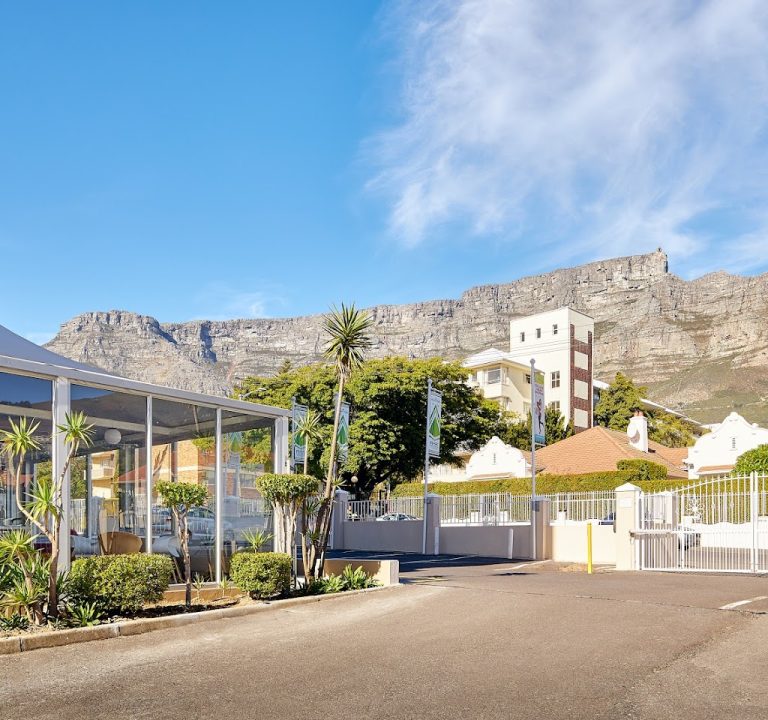
In the City Bowl and the central peninsula, you’ll find convenient access to museums, markets and the iconic Table Mountain. The V&A Waterfront is a lively hub with shops, eateries and harbour walks, while the neighbouring Green Point and Sea Point offer a breezier seaside vibe and plenty of self-catering or breakfast-friendly stays. Camps Bay and kloofside pockets along the Atlantic Seaboard provide glamorous beachside living with dramatic sunsets, but often at a premium. For a quieter, historic atmosphere, the colourful streets of Bo-Kaap and the winelands surroundings of Constantia provide a different pace and easier day trips to vineyard estates.
When choosing accommodation, look for a few practical essentials. A reliable security setup and well‑maintained communal areas are important in urban stays, and many guest houses and boutique hotels in Cape Town offer encrypted Wi‑Fi, homely communal spaces, and generous breakfast options. If you plan to explore on your own, a property with parking or easy access to public transport can save time. For visitors who prefer a social or LGBTQ+-friendly option, there are niche stays that emphasise hospitality and privacy, including guest houses that cater to specific communities or preferences.
Typical amenities to note include air conditioning for warm months, heating for cooler evenings, and sufficient natural light or terraces with city or mountain views. Pools are common in the more modern or resort‑style properties, while kitchen facilities or on-site dining make longer stays more comfortable. Proximity to MyCiTi bus routes, metro stations or major roads will influence how you plan day trips to places like Table Mountain National Park, Cape Point and the Cape Winelands. It’s worth asking about luggage storage if you’re arriving before check-in or departing after checkout, and whether staff can assist with planning guided tours or booking experiences.
Best time to visit Cape Town is generally from late spring to early autumn in the Southern Hemisphere. November to March brings warm days and vibrant nightlife, with peak beach season in the coastal suburbs. Winter (June to August) is cooler and windier, but offers calmer city experiences and excellent hiking conditions along the surrounding mountains on settled days. Shoulder seasons often deliver fewer crowds and better value for accommodation, while still allowing access to outdoor activities and wine routes. Always check local weather forecasts and seasonal advisories, as conditions can shift quickly, especially on the Atlantic coast and highland routes.
To help you plan an efficient itinerary, here are some practical tips:
- Book early for popular periods and consider a base with good access to multiple transport modes.
- Balance a stay between a central district and a day-trip base in the surrounding areas to reduce daily transfers.
- Take advantage of harbour, mountain and urban viewpoints; many operators offer guided walks, cable experiences and scenic drives.
- Reserve restaurant experiences in advance for well‑regarded venues, and keep a mix of casual markets and refined dining in your plan.
- Respect local safety guidelines and be aware of your surroundings, especially when exploring at night or in less crowded areas.
Attractions across the region span natural wonders and cultural highlights. You might spend mornings on the iconic flat-topped summit by taking a cable car or hiking trails, followed by afternoons exploring the historic waterfront precinct and its markets. For wildlife and adventure, day trips to the Cape Point reserve and coastal scenery offer memorable vistas. Cultural experiences abound, from Cape Malay culinary influences to contemporary art spaces and markets that celebrate local crafts. While specific venues can vary, you’ll generally find a range of experiences suitable for families, solo travellers and couples alike.
When it comes to dining, Cape Town’s restaurant scene ranges from fresh seafood and boardwalk favourites to intimate tasting menus and farm-to-table concepts. In addition to waterfront dining, many neighbourhood hubs feature seasonal menus that highlight local produce and coastal flavours. If you’re more comfortable cooking, a well‑appointed apartment or guest house with kitchen facilities can be a convenient base after a day of exploring.
One sample stay to consider in the city’s hospitality mix is a guest house known for its thoughtful service and comfortable rooms. Such a property can be a good fit for travellers seeking a personal touch, a generous breakfast, and a central location with easy access to transport routes. For guests seeking an LGBTQ+-friendly option or a niche hospitality experience, there are boutique properties that prioritise privacy, inclusivity and a welcoming atmosphere, while still offering easy access to Cape Town’s most visited sites.
For more inspiration and practical planning, you can explore official tourism resources and city guides online. They typically provide neighbourhood guides, transport tips and seasonal event calendars to help you tailor an itinerary to your interests. Whether you arrive by air and take a short transfer to a high-rise apartment, a coastal guest house with sea views, or a stylish boutique hotel in a historic district, Cape Town promises a memorable blend of scenery, culture and hospitality that’s hard to match.