Cape Town: Accommodation and Attractions for a Traveller‑Friendly Stay
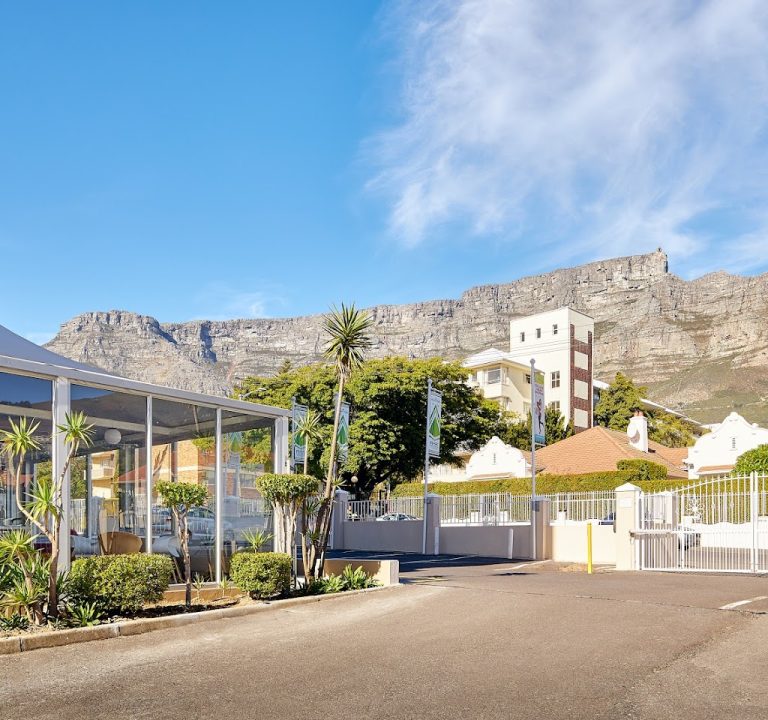
Cape Town, with its dramatic Table Mountain backdrop and sparkling Atlantic coastline, offers a wide range of guest houses, B&Bs, and lodges that suit different styles and budgets. When planning a stay, consider choosing a neighbourhood that fits how you want to spend your days—whether you want easy beach access, a buzzy urban scene, or a more wine‑country calm close to vineyards and nature reserves.
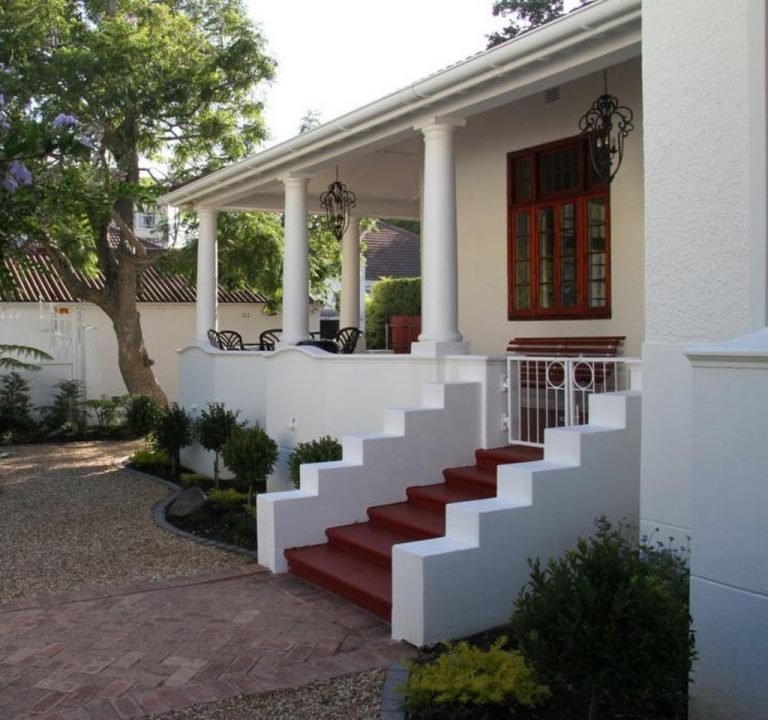
Areas to consider include the City Bowl or Green Point for easy access to restaurants, cafes and museums; the Atlantic Seaboard (from Sea Point through Camps Bay) for beachfront views and scenic drives; the Southern Suburbs for quick access to wine estates and Table Mountain hiking; and Woodstock or Observatory for a more creative, walkable vibe with good transport links. For a calm escape with a village atmosphere, Constantia Valley offers leafy streets, historic estates and a sense of space, while nearby Simon's Town or Kalk Bay provide a coastal charm with a slower pace. Villa Verde, for example, typifies the guest‑house style you may encounter: intimate, homely, with breakfast service and an emphasis on personal hospitality.
When booking accommodation, look for a few key amenities and features that make a stay practical and relaxing. A well‑equipped self‑catering option or guest house with a generous breakfast can help you manage meals around busy days of sightseeing. Reliable wifi is essential for planning routes, checking opening times, and catching up on emails. Private off‑street parking or easy access to safe, well‑lit streets will ease evening strolls after dinner. If you plan to explore the area by car, confirm parking arrangements and consider properties with easy access to the MyCiTi bus network or other public transport options. For those seeking a coastal vibe, a room with a balcony or terrace overlooking the sea brings a daily sense of leisure.
Typical amenities you might encounter include en‑suite bathrooms, comfortable beds with quality linens, tea‑and‑coffee facilities, air conditioning or heating, and housekeeping services at least a few times a week. Some guest houses provide small lounges or outdoor spaces where guests can relax after a day of exploring. In peak season, properties with a flexible cancellation policy and clear check‑in procedures can reduce stress if travel plans shift. If a particular view or location is important to you, read recent guest reviews to gauge consistency in service and the condition of rooms.
To help you structure a stay, here are practical planning tips:
- Book early for popular periods such as school holidays and local events. Prices can rise quickly, and availability can become limited in well‑located areas.
- Choose a base that minimises daily travel time between your key interests—mountain trails, beaches, historic neighbourhoods, and dining hubs.
- Check transport options from your accommodation to major sights, including taxi or ride‑hailing services, and whether the guest house offers airport transfers or shuttle arrangements.
- Ask about breakfast options, dietary accommodations, and whether there are facilities for packing lunches or picnics, which can be convenient for day trips along the coast or to the winelands.
- Clarify access times and any curfews, especially if you plan late dinners or night walks in areas that are quieter after dark.
- Look for flexible booking terms and a clear explanation of what is included in your rate (parking, housekeeping, wifi, breakfast).
After you settle lodging, Cape Town offers a wealth of attractions that can be enjoyed with a relaxed pace. Iconic viewpoints and nature trails around Table Mountain are a must, whether you take a cable car, hike the varied routes, or simply admire the panorama from a vantage point in the city. The city also offers cultural experiences around the historic Cape Malay quarter, with guided walks that illuminate local heritage and flavourful street food. Along the Atlantic Seaboard and in nearby coastal towns, you can enjoy long walks on sandy beaches, sunset drives along coastal roads, and cafés with harbour or cliffside views. For wine lovers, the nearby Constantia or Franschhoek areas are ideal for day trips, with scenic vineyards, cellar doors, and relaxed dining rooms that pair well with a spectacular landscape.
Dining options in Cape Town are diverse and rewarding, though it is best to approach popular restaurants with an openness to share plates and tasting menus, or to reserve ahead for peak hours. Expect a mix of modern South African cuisine, seasonal dishes, and seafood prepared with local produce. For a more casual evening, there are plenty of eateries in walkable neighbourhoods offering warm hospitality and a sense of place without being overly formal.
Practical planning tips for a smooth stay include budgeting for travel between neighbourhoods, especially if you intend to visit the winelands or longer coastal drives. A light, comfortable pair of walking shoes is invaluable for cobbled streets and coastal paths. Pack a light layer for the evenings, which can be breezy by the sea, and keep a sunhat and sunscreen handy for daytime explorations. If you have specific accessibility needs or dietary restrictions, contact your accommodation ahead of time to confirm arrangements and ensure a comfortable visit. With thoughtful planning, Cape Town can be enjoyed at a relaxed pace, allowing you to savour its beauty, hospitality, and a sense of adventure that lingers long after you depart.
For further information and inspiration, you can visit official tourism sites and local guides to plan your itinerary and discover visitor experiences that suit your interests. The city’s official resources offer practical tips, event calendars, and suggested routes to help you make the most of your stay in this remarkable part of the Western Cape.