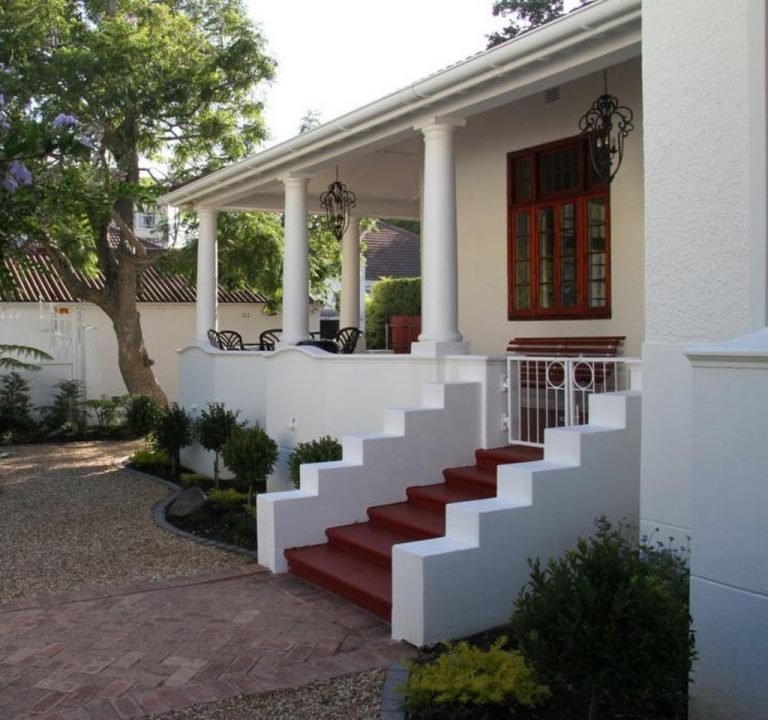
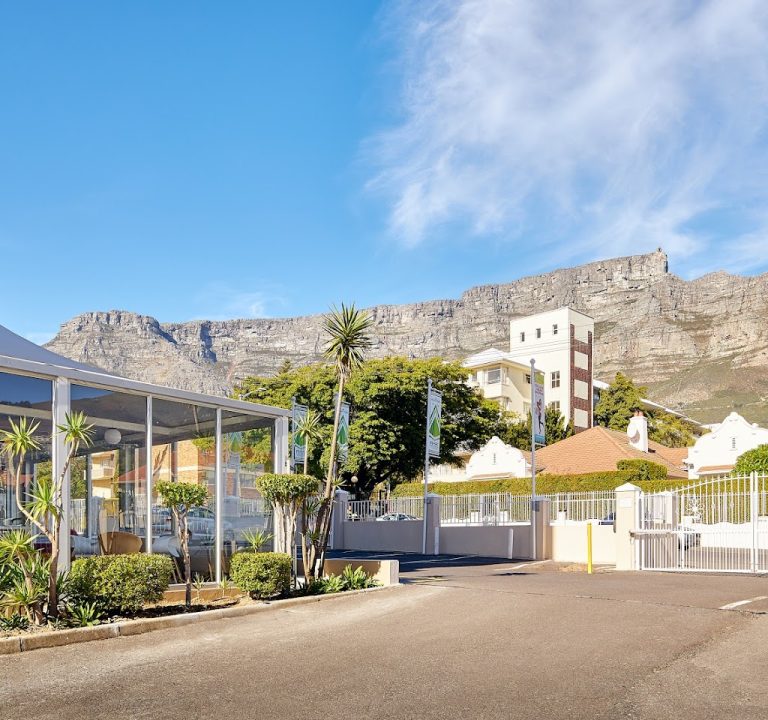
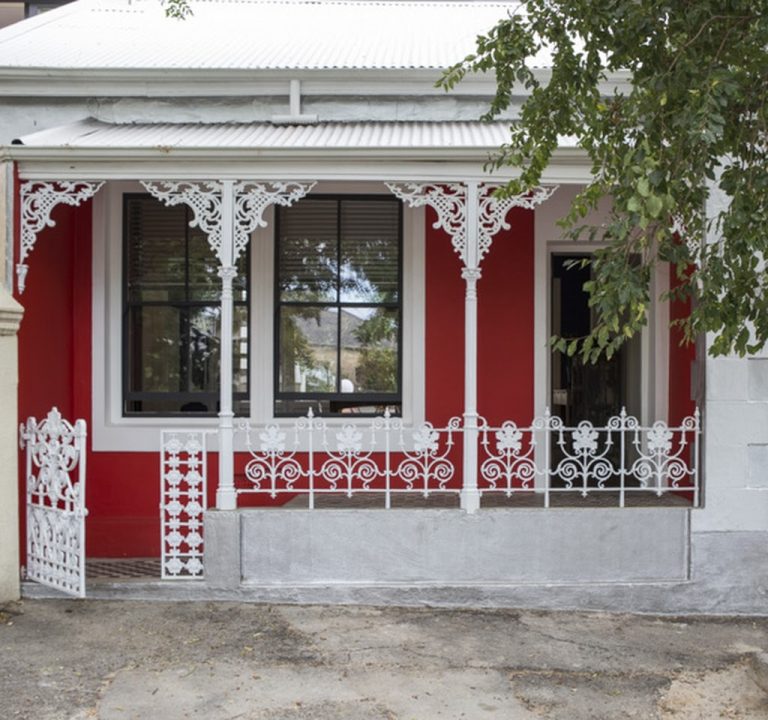
No. 15 Welgemeend St, Gardens, Cape Town is a Hotels establishment in Cape Town, Western Cape, South Africa
No. 15 Welgemeend St, Gardens, Cape Town – an outline for travellers
No. 15 Welgemeend Street in Gardens, Cape Town, sits within a neighbourhood known for leafy streets, proximity to central sights, and a relaxed urban atmosphere. The material drawn from the provided website page presents itself as a blog with multilingual content, reviews, and photographs, rather than a traditional property listing with explicit accommodation details. The page itself does not clearly enumerate room types, on-site facilities, pricing, policies, or a formal description of amenities. As a result, this overview focuses on what can be derived from the primary source and offers a cautious, high-level sense of what potential visitors might encounter when exploring the site for information about a stay in this address area.
From the available content, the emphasis appears to be informational rather than transactional. The site is described as a blog that aggregates information in multiple languages and includes reviews and photographs, with accompanying notes about the site structure and a feed for posts. For travellers seeking concrete particulars—such as room configurations, amenities, on-site facilities, or booking terms—the primary source invites visitors to continue scrolling for more details, though the accessible page itself may not present those specifics in a standard hospitality entry format.
In terms of accommodation style and ambiance, no definitive descriptors are provided on the accessible page. The absence of explicit room types or facility listings means that readers should approach the content as a starting point for exploration rather than a definitive guide to a particular lodging. This aligns with a cautious travel-writing approach: highlighting the location and the nature of the information available while avoiding assumptions about unlisted features.
Who the information may suit best includes travellers who enjoy a research-led planning process, those who are comfortable navigating a site that aggregates content in several languages, and visitors who appreciate a visual record through photographs. The context of Gardens, Cape Town, remains inherently appealing: a city-fringe district known for convenient access to central attractions, dining options, and local character, set against the backdrop of the Western Cape’s coastline and mountain scenery. While the blog’s exact offerings at No. 15 Welgemeend St are not itemised here, the surrounding area is frequently associated with easy urban exploration and proximity to Cape Town’s central experiences.
Nearby highlights and travel considerations can be framed broadly for visitors to Cape Town’s Gardens neighbourhood. The district is recognised for its parklands and tree-lined streets, with convenient access to the city’s business core, cultural venues, and dining scenes. For travellers using the site as a planning tool, it is sensible to verify current opening hours, transport links, and accessibility details via the main blog or linked pages. If a broader exploration is desired, typical Cape Town itineraries often include nearby green spaces, local eateries, and viewpoints that characterise the city’s maritime and mountain backdrop. Nevertheless, the exact proximity of specific attractions to No. 15 Welgemeend Street should be confirmed through a dedicated travel resource or the site’s own navigation.
Booking and travel tips for this area, grounded in general practice for Cape Town, include the following considerations:
- Cross-check accommodation details directly on the primary site to confirm room types, facilities, and policies before making any arrangements.
- Consider staying central to Gardens for walkable access to cafés, parks, and the city core, while enjoying quieter residential streets.
- Plan for variable weather by packing layers and a light waterproof layer, as Cape Town’s climate can shift with the seasons.
- Explore multi-language resources if information is presented in more than one language, which may help in understanding local tips and descriptions.
- Access the property’s official website or booking platforms linked from the blog for the most accurate pricing and availability, rather than relying solely on secondary descriptions.
For those wishing to investigate further, a visit to the linked blog or its feed may yield additional posts and imagery related to Welgemeend Street and the surrounding Gardens area. The primary takeaway is to approach the No. 15 Welgemeend St listing as part of a broader Cape Town planning process, using the provided site as a starting point for research rather than a definitive source of accommodation particulars. More detailed information, including a direct description of what is offered, would ideally come from the property’s own official communications or a dedicated booking page.
Booking links or destinations can be explored via the included website reference, which provides the central hub for information while the page itself foregrounds the broader, multilingual blog experience. This approach helps travellers form a sense of place in Cape Town’s Gardens while preparing to verify concrete details through official channels before finalising travel arrangements.
Cape Town
Western Cape
Gardens, Cape Town
South Africa


Exploring Cape Town: Where to stay and what to do in the Western Cape's vibrant hub
Cape Town sits at the southwestern tip of Africa, backed by mountains and framed by coastal vistas. When planning a stay, consider the city’s diverse neighbourhoods, each with its own character and practical advantages for visitors. The cosmopolitan V&A Waterfront region offers easy access to attractions and dining, while the leafy Gardens neighbourhood provides a quieter, stroll-friendly base close to museums, galleries and the central business district. For a mountain-and-sea blend, the Atlantic Seaboard delivers dramatic coastal views and upmarket eateries, and the Constantia Valley winelands nearby are ideal for day trips without venturing far from the city.
Accommodation in Cape Town ranges from characterful B&Bs and guesthouses to modern hotels and self-catering apartments. When booking, consider the proximity to preferred sights, ease of getting around, and what you value most—breakfast options, on-site parking, or a pool after a day of exploring the city. Many properties in central districts offer compact guestrooms with compact kitchens or self-catering facilities, while bayside lodgings or boutique hotels often provide a more personalised service and calmer evening environments after busy days out.
Typical amenities you might encounter include free Wi‑Fi, daily housekeeping, secure parking, and good on-site security. Some properties extend thoughtful touches such as curated neighbourhood guides, maps, and insider tips. If you plan to venture farther afield, enquire about shuttle services or arrangements with reliable local transport providers. Public transport in Cape Town is workable, but in peak tourism periods a car or rideshare app can give you more flexibility for coastal drives, wine routes, and hikes in the surrounding areas.
Best times to visit Cape Town are spring (September to November) and autumn (March to May) when the weather is mild and the city is less crowded than in peak summer. Winters (June to August) are cooler and occasionally wet, yet many indoor attractions, markets and eateries remain lively. If you’re after the iconic sea-and-mountain views, plan early mornings or late afternoons, especially around Table Mountain and the Atlantic coastline, to capture the light at its most flattering for photography.
Planning a stay in Cape Town also means curating a mix of experiences: a taste of local cuisine, a taste of outdoors, and a few cultural discoveries. In addition to the city’s famed Table Mountain and nearby National Park areas, you’ll find historic precincts, vibrant markets, and waterfront promenades that invite relaxed, stroller-friendly exploration. The city’s culinary landscape ranges from bright, modern eateries to classic neighbourhod favourites offering generous portions and seasonal ingredients. When you dine out, you’ll often find menus highlighting fresh seafood, halal-friendly options, and vegetarian choices, alongside South Africa’s celebrated braai culture in some venues.
Getting around is straightforward for most visitors. If you’re staying in central or Waterfront areas, you can often walk to major sights or cycle short distances. For longer hops—such as to the Kirstenbosch Gardens on the eastern slopes of Table Mountain or to the Constantia wine routes—planning a day with a dedicated driver or organised tour can be a convenient option. In addition to day trips, Cape Town’s harbour-front precincts provide a pleasant baseline for evening strolls and sunset views over the Atlantic.
When selecting accommodation, here are practical considerations to guide your choice:
- Location relative to the sights you plan to visit most often (Table Mountain, the waterfront, or Constantia).
- Access to reliable Wi‑Fi and comfortable workspaces if you need to combine business with leisure.
- On-site parking or easy access to safe transport options after dark.
- Noise levels and room configuration, particularly if staying in busy city streets or near nightlife hubs.
- Guest reviews specifically mentioning cleanliness, staff friendliness, and accuracy of listing descriptions.
For those seeking a stylish, serene base in a central location, a stay in the Gardens district offers proximity to museums, galleries, cafés, and leafy streets while still being within easy reach of the harbour and central sights. An address such as No. 15 Welgemeend Street in the Gardens area can serve as a reference point for a quiet, convenient stay within walking distance of many attractions and with straightforward access to public transport for broader explorations. If you’d like to explore an example of a locally curated stay, you can visit the property page for practical details and booking options at the linked site: http://welgemeend.blogspot.co.za/m1.
On the cultural front, Cape Town features a wealth of experiences that can be enjoyed at a relaxed pace. Expect art and design districts to showcase contemporary South African creativity, with galleries and studios often clustered near central precincts. For a broader taste of the region, day trips to surrounding towns and natural reserves reveal a mix of rugged coastline, wine estates, and mountain landscapes. While prices and exact menus vary, many restaurants emphasise ingredients sourced from the Western Cape, seasonal produce, and coastal flavours that complement South Africa’s diverse culinary heritage.
Booking ahead is advisable, especially during peak travel periods and holiday weekends. Always read the cancellation policy and confirm what’s included in your rate—breakfast services, housekeeping, and access to leisure facilities can vary significantly between boutique guesthouses and larger hotel properties. With careful planning, your Cape Town stay can strike the balance between relaxing down-time and vibrant exploration, making the most of both the city’s natural beauty and its welcoming hospitality.
Sorry, no records were found. Please adjust your search criteria and try again.
Sorry, unable to load the Maps API.
Why Claim Your Listing?
Claiming your listing on the B&B Finder directory website is a valuable opportunity for business owners. Here are five reasons why you should consider claiming your listings:
Control Over Business Information: By claiming their listing, business owners can ensure that all the information presented is accurate and up-to-date. This includes details such as contact information, address, pricing, and available services or amenities. Accurate information helps prevent customer confusion and improves overall satisfaction.
Enhance the Listing: Once a listing is claimed, owners can enhance it by adding more comprehensive information and rich media, like high-quality photos and videos. These additions can make the listing more attractive and engaging to potential customers, thereby increasing the likelihood of bookings.
Marketing Opportunities: Claiming a listing can also open up additional marketing opportunities. Owners may be able to participate in promotional campaigns, special offers, and other marketing activities organized by the directory. This can increase visibility and attract more customers to the business.