Finding a Place to Stay and Making the Most of Cape Town
Cape Town, in the Western Cape of South Africa, offers a diverse range of stays from intimate guest houses to stylish boutique hotels and family-run lodges. When planning a visit, think about convenient neighbourhoods, your preferred pace, and how you like to access the city’s natural and cultural draws. A well-chosen base can cut transit time, enhance safety, and put you within easy reach of beaches, restaurants, markets, and a thriving arts scene.
Popular areas to consider include the central attractions of the city bowl and the V&A Waterfront, where easy access to sights, cafes and riverfront strolls is balanced by a compact, walkable feel. For dramatic coastal scenery and direct access to the ocean, the Atlantic Seaboard and Camps Bay offer stylish boutique stays with stunning views. If you prefer lush greenery, the Southern Suburbs provide leafy streets, easy access to Kirstenbosch National Botanical Garden, and a more residential vibe. For a quieter, historic atmosphere close to Table Mountain’s footpaths, a guest house in areas just beyond the peninsula’s fringe can feel like a home away from home while remaining well connected to the city centre.
When you book, consider the following practicalities to ensure a smooth stay. Look for guest houses or B&Bs that clearly state parking options if you plan to hire a car, or convenient public transport access if you won’t be driving. Check the breakfast configuration, as many traditional guest houses include a continental, cooked, or flexible meal plan. Ask about air conditioning or fans, as Cape Town’s climate can vary by season, with warm days and cooler evenings, especially near the coast and in the hills.
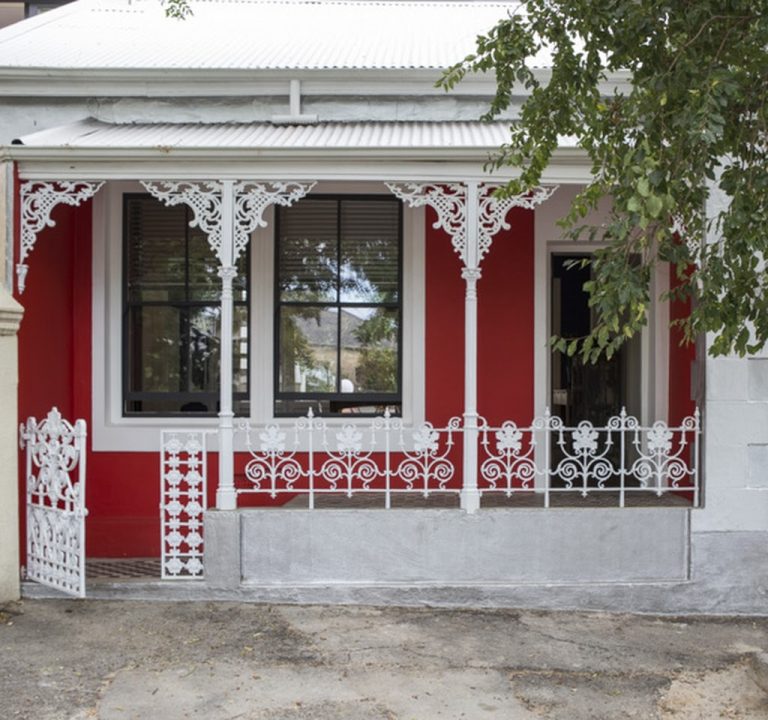
Typical amenities that readers often value include free Wi‑Fi, private en-suite bathrooms, a workspace or desk for a comfortable stay, and easy access to a communal lounge or garden. Some properties offer curated experiences such as guided walks, wine tastings in nearby Stellenbosch or Constantia, or suggestions for day trips to the Cape Peninsula. For those seeking a more personalised touch, smaller guest houses like 12 Hofmeyr can offer attentive service, thoughtful decor, and convenient access to central sights while feeling tucked away from the busiest streets. See the property's website for details on its style, inclusions, and location: 12 Hofmeyr.
Transport and getting around are central to enjoying Cape Town. If you arrive by air, many guest houses organise or can advise on airport transfers, while car hire gives you flexibility to explore beyond the city. The city’s MyCiTi bus network is a straightforward option for quick trips within the urban core, and rideshare services are widely available. For scenic day trips, planning a coastal drive along the Atlantic Seaboard or a scenic route to the Cape Peninsula can be memorable, but always allow extra time for mountain roads or weather changes.
Best time to visit Cape Town depends on what you want from the trip. The summer months (roughly November to February) bring longer daylight hours, beach days, and outdoor dining, though this is also peak tourist season, so book early and expect higher prices. Autumn (March to May) can be mild and quiet, with fewer crowds and comfortable conditions for hiking and wine tours. Winter (June to August) brings cooler, wetter weather but also the opportunity to enjoy indoor venues, wine estates, and the penguin colony at Stony Point, depending on the year. Spring (September to October) is a transitional period with blossoming gardens and a good balance of activities. Tailor your plan to the weather, and allot time for both outdoor adventures and relaxed meals in vibrant neighbourhoods.
When planning your itinerary, blend iconic experiences with local flavour. You might allocate time for a cable car or hike near Table Mountain, browse markets and galleries in the city centre, stroll along the harbour, or enjoy a long lunch in a neighbourhood bistro with views of the Atlantic. For food lovers, Cape Town’s dining scene ranges from casual eateries and farm-to-table spots to refined places that showcase South African ingredients and culinary creativity. Rather than fixating on individual restaurant names, look for districts with a high concentration of options, and read recent guest reviews to identify places that align with your budget and style.
Practical tips for a comfortable stay
- Book accommodation with clear policies, flexible cancellation where possible, and detailed directions to the property.
- Establish a rough plan for daily travel times to major sights, while leaving room for spontaneous discoveries.
- Pack layers for varied weather, especially if you plan outdoor activities or early morning hill walks.
- Consider a mix of accommodation types across your trip, such as a central guest house for city access and a coastal property for sea views.
- Check if your chosen stay offers local recommendations, maps, or guided experiences to enrich your visit.
Cape Town rewards travellers who balance convenience with curiosity. A well-chosen base—be it a cosy guest house such as 12 Hofmeyr or another well located option—sets the tone for a memorable stay filled with scenic beauty, diverse dining, and the sense of discovery that makes this city so beloved by visitors from around the world.