Where to stay and what to do in Cape Town, with practical tips for planning your visit
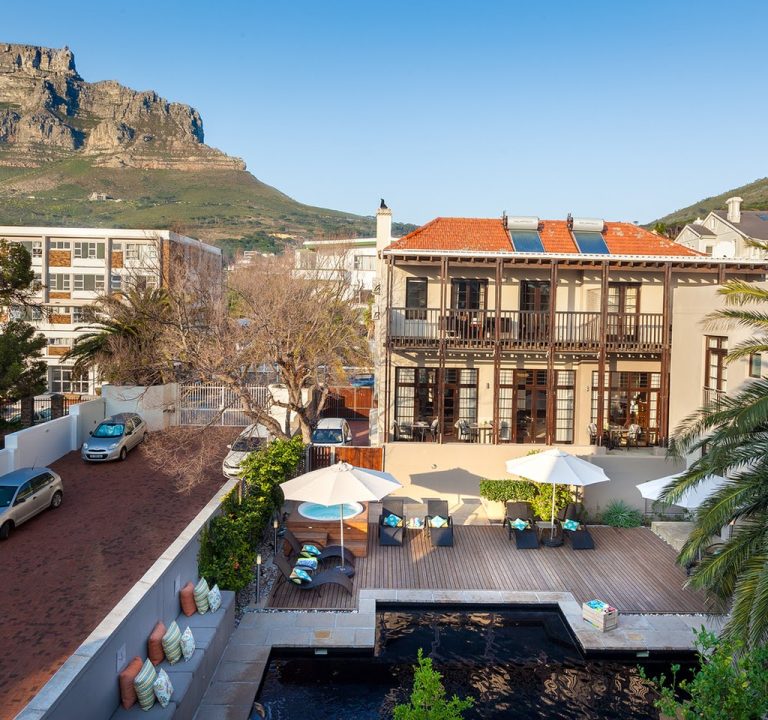
Cape Town is a city of dramatic scenery, varied neighbourhoods and welcoming hospitality. When planning a stay, it helps to think about what you want from your trip—be it cosmopolitan convenience, easy access to nature, or a coastal retreat with a vibrant food scene. From chic boutique hotels in historic districts to family-friendly guesthouses near the mountains, there are plenty of options to suit different styles and budgets. A standout example is the Derwent House Boutique Hotel, a stylish base that offers character-filled rooms and easy access to central sights. See their site at Derwent House Boutique Hotel.
Areas to consider for your stay include the City Bowl and the Central Business District, which place you within walking distance of museums, culture, markets and a wide range of eateries. The Waterfront and V&A precinct offer harbour views, renewed promenade space and a lively mix of shops and eateries, with the convenience of easy river-to-sea access. For beaches and sunset seconds from your doorstep, the Atlantic Seaboard—encompassing Camps Bay and Clifton—delivers white sands and dramatic mountain backdrops. Constantia is ideal for wine lovers and quieter, leafy charm, while leafy suburbs and smaller towns nearby provide a slower pace and proximity to nature trails.
When booking, look for a few practical amenities that will make a stay smoother. En-suite bathrooms and reliable hot water are essential, of course, but also check for secure parking if you are driving, good Wi‑Fi, and air conditioning or heating for your chosen season. A guesthouse or boutique hotel with a personalised service ethos can make your trip feel effortless, from airport or station transfers to reliable restaurant recommendations. If you are travelling with family or a group, consider rooms or suites that offer separate living spaces or flexible layouts. In busy seasons, it helps to book well in advance and confirm any special requests, such as late arrivals, baby-cots, or dietary needs.
Transport in Cape Town is straightforward but varies by area. The MyCiTi bus network covers many routes and is a convenient way to reach key sights without a car. Uber and other ride-hailing services are widely available and often handy for short trips or evenings out. If you plan to explore the outskirts or winelands, renting a car provides freedom, though some hotels can arrange guided tours or day trips with pick-up from the property. For routes up to Table Mountain, be mindful of weather conditions and queues; in peak times, arrive early or after lunch to avoid crowds if you want a calmer experience.
Best time to visit Cape Town depends on what you want from your stay. The city enjoys a Mediterranean climate with warm, dry summers and cooler, wetter winters. Summer (roughly December to February) brings long days and outdoor dining highlights, while spring and autumn offer mild weather and fewer crowds. Winter can be cooler and rainier, but it also means fewer visitors and a chance to see dramatic rooves of fynbos in bloom on certain hikes. If you are keen on outdoor activities such as hiking, mountain drives and coastal walks, plan around weather windows and take care on windy days along the coast.
Attractions and experiences in Cape Town span natural beauty, culture and gastronomy. Iconic Table Mountain or its surrounding conservation trails offers panoramic viewpoints and scenic walks. Robben Island, accessible by ferry, provides historical context to the region. The Kirstenbosch National Botanical Garden showcases Cape flora among towering mountains and open meadows. The city also supports a thriving restaurant scene with diverse cuisines, from refined tasting menus to casual seafood spots and markets where you can sample local produce and crafts. While keeping to general terms, it’s worth exploring a mix of waterfront dining, mountain views, and neighbourhood eateries to get a well-rounded sense of the city’s hospitality.
Planning tips to help you make the most of your stay:
- Choose a base with easy access to your planned activities, whether you want to be near the waterfront, on the beachfront, or close to the city’s cultural hubs.
- Check cancellation policies and whether the property offers flexible dates, especially if your plans may change with weather or seasonal events.
- Consider a mix of accommodation types if staying for several days—one night in a central boutique hotel for convenience, and a quieter guesthouse or wine country lodge for a change of pace.
- Look for properties that provide local recommendations, guided tours, or partnerships with reputable operators for day trips to the Winelands or surrounding nature reserves.
- Pack layers for variable weather and comfortable walking shoes for scenic stairways, markets, and harbour promenades.
In sum, Cape Town rewards travellers who balance discovery with practical planning. Whether you prefer stylish interiors and concierge-led planning, or a homely, characterful stay that puts you near markets and cafés, there are plenty of options to suit. For a thoughtfully curated base with easy access to central sights and a link to local hospitality, Derwent House Boutique Hotel is one example of the kind of accommodation that can anchor a memorable visit. Remember to book ahead, consider your preferred neighbourhood, and enjoy the mix of mountains, sea and city that makes Cape Town a distinctive destination in the Western Cape.