Cape Town: Accommodation, attractions and practical tips for a memorable stay
Cape Town blends natural beauty, rich history and a vibrant harbourfront culture, making it a standout destination for travellers seeking variety in a compact footprint. When planning a stay, think about your preferred pace, views and access to transport, as these choices will shape your experience as much as your hotel or guesthouse. From harbour-facing boutique stays to contemporary guesthouses in leafy neighbourhoods, there are options to suit most budgets and preferences.
Areas to consider include the Atlantic Seaboard, the city centre, and the southern suburbs. The Atlantic Seaboard offers sweeping sea views, easy access to beaches and a lively restaurant scene, with many stylish guesthouses and small hotels tucked into scenic postcodes. The city centre provides proximity to markets, museums, theatres and a hub of bars and cafés, often with excellent public transport links or easy rideshare access. The southern suburbs, such as Constantia, Claremont or Rondebosch, tend to be calmer, with more spacious properties and easy routes to the Constantia Valley wine route, Kirstenbosch and leafy residential streets perfect for longer stays.
When booking accommodation, look for thoughtful amenities that support a comfortable stay. A good guesthouse or boutique hotel should offer a private entrance or discreet reception, reliable Wi‑Fi, a continental or full breakfast option, and flexible check-in where possible. If you plan to explore on foot or by car, consider locations with off‑street parking or secure parking arrangements. Some properties provide luggage storage and guest lounge areas, which can be a boon if you have late flights or day trips on your schedule.
Typical facilities you might encounter include en-suite bathrooms with contemporary fittings, compact kitchenettes or tea and coffee facilities, air conditioning or fans for warmer months, and in-room safes for valuables. A well-run guesthouse often emphasises personal service, with a host or manager who can help with local recommendations for dining, activities and safe routes in the evenings. For longer stays, a self-catering option or a guest kitchen can be a practical alternative to hotel dining, allowing you to sample fresh ingredients from markets and nearby delis.
Transport in Cape Town is diverse. If you plan to visit major sights such as Table Mountain, the V&A Waterfront, or the Cape Peninsula, you’ll benefit from convenient access to Uber or other ride-hailing services, as well as reliable bus routes and some train links. If you’re driving, check whether your accommodation offers parking or if there are nearby garages with reasonable daily rates. For premium scenery at your doorstep, a coastal promenade or mountain-facing room can be particularly rewarding in the mornings or late afternoons when light softens over the city.
The best time to visit Cape Town depends on what you seek. Spring and autumn offer mild weather and fewer crowds, making it ideal for outdoor walks, vineyard trips and nature circuits. Summer (December to February) brings longer days and a bustle of outdoor dining and markets, but it can be busy at popular beaches and attractions. Winter (June to August) is cooler and occasionally rainy, yet the city’s galleries, cafés and restaurant scene stay lively and prices may be more amicable. Pack layers to cover sudden cool spells near the coast and a sunhat for bright days on the Atlantic side.
To plan a balanced itinerary, mix iconic viewpoints with neighbourhood discoveries. You might begin with a scenic drive along the Atlantic coast to watch the sun rise, followed by a street‑level stroll through a diverse neighbourhood to sample local eateries and small shops. Consider including a day trip to the Cape Peninsula, where rugged coastline and nature reserves offer dramatic landscapes, or a wine-tasting excursion in nearby Constantia or Stellenbosch, depending on your interests. Museums and galleries in the city provide cultural context for Cape Town’s history and modern creative scene, while markets and food halls can offer casual, affordable meals and artisanal finds.
Dining and drinks in Cape Town run the gamut from casual cafés and braai-friendly grills to stylish rooftop bars with harbour views. In terms of planning, reserve ahead for popular spots, especially on weekends or during holiday periods, and keep an eye on seasonal menus that reflect local produce. For a balanced culinary experience, pair a light lunch with an afternoon stroll along the waterfront or a botanical garden visit, followed by a dinner that showcases regional flavours and seafood specialties.
Practical tips for a smooth stay:
- Check recent guest reviews for updates on service levels and any property refurbishments.
- Ask about security and access, especially if you’re staying in central or high‑footfall areas.
- Choose a property with clear information on directions from the airport or city hubs, and public transport options.
- Budget for a mix of paid attractions and free outdoor experiences to maximise flexibility.
- Bring currency for markets and smaller eateries, as not all places accept cards at every turn.
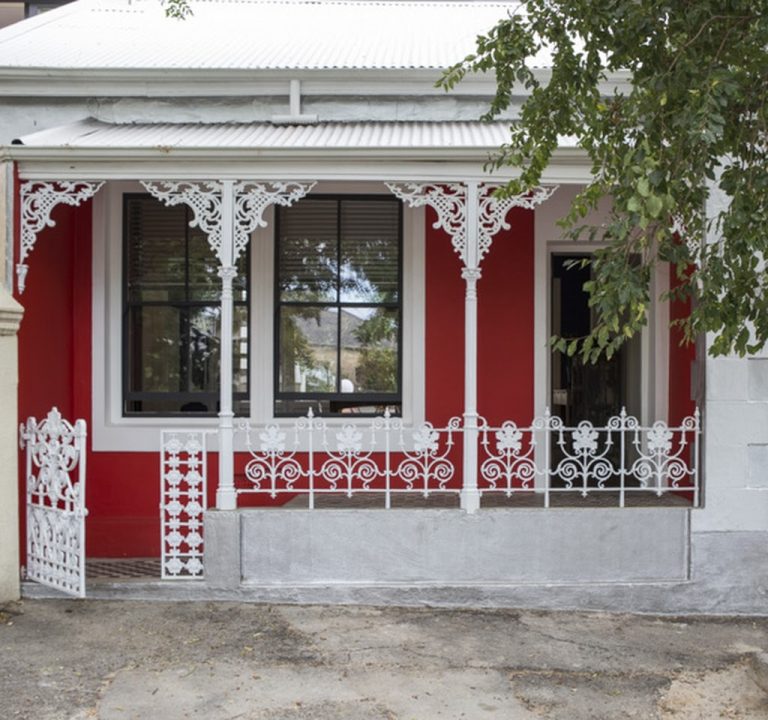
One notable example of a guesthouse style option in the region is St Moritz Guesthouse, which can offer a cosy base for exploring the city with the comforts of a home‑from‑home stay. Regardless of where you choose to stay, Cape Town rewards curious travellers with easy access to natural beauty, diverse dining and a welcoming local atmosphere. With thoughtful planning, your stay can be both comfortable and enriching, leaving you with lasting memories of this remarkable city.