Johannesburg: Accommodation options, areas to consider, and a guide to enjoying the city
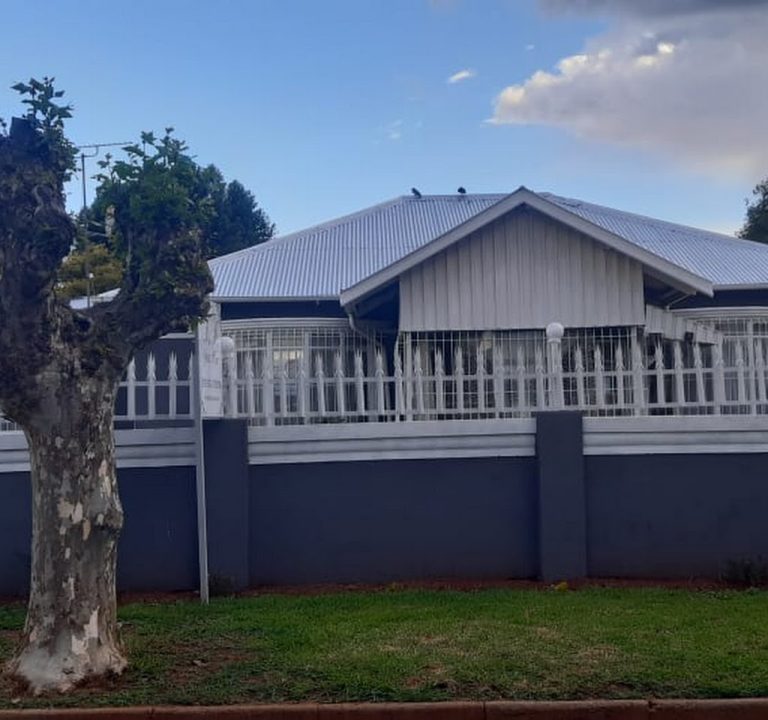
Johannesburg, or Jo’burg as many locals affectionately call it, is a sprawling city where the right choice of neighbourhood can transform a stay from comfortable to unforgettable. When planning a visit, it’s helpful to balance accessibility with character: central districts offer easy access to museums, markets, and dining, while leafy suburbs provide a calmer base with easier parking and family-friendly options. A guesthouse such as Boundary’s Nest, a charming example of a small, independently run property, can be a good starting point for exploring the city in a relaxed, personalised way. Look for a place that feels safe, well maintained, and clear about what it offers to guests, including breakfast service, secure parking, and friendly, local knowledge from the hosts or staff.
Areas to consider for your stay include higher-energy districts near cultural hubs, business districts with straightforward commuter access, and suburban neighbourhoods that feel more residential and quiet at night. If you want to be close to theatres, galleries, and street markets, a central or inner-city base tends to be convenient. For families or travellers seeking a calmer rhythm, a stay in a well-appointed guesthouse or boutique hotel in a suburban enclave can provide easy routes to parks, shopping centres, and well-regarded restaurants, without sacrificing convenience.
Typical amenities to look for when booking include comfortable beds with quality linens, reliable wi‑fi, a consistently warm shower, and secure access to the property. A well-run guesthouse should offer features such as on-site parking, optional breakfast, and clean, well-maintained communal areas. If you rely on transport, confirm that the listing is within reasonable distance of public transport routes or reliable taxi and ride-hailing services. Some properties may provide airport transfers or curated welcome notes with recommended routes and times for local attractions.
Transport in Johannesburg is varied, and most visitors benefit from a practical plan. The city has a modern commuter rail network, several major highways, and a growing appetite for ride-hailing services. If you are staying in central or northern areas, you may find taxi or ride-hailing options plentiful and affordable for short trips into business districts or nightlife hubs. For day trips to places outside the city, know that many tours and day-visits operate from central locations or major hotels, with itineraries ranging from historical tours to nature escapes.
The best time to visit Johannesburg generally mirrors temperate southern Africa patterns. The city sees warm summers with late-afternoon thunderstorms and mild, dry winters. For outdoor experiences and market visits, spring and autumn can be ideal, offering pleasant temperatures and comfortable conditions for exploring on foot or via short drive distances. If you are managing school holidays or peak convention periods, consider booking accommodation well in advance to secure the best locations and rates.
When planning activities, Johannesburg offers a mix of cultural, historical, and recreational experiences. Cultural districts and precincts host galleries, street art, and food markets where you can sample a range of local flavours. Museums and educational sites provide insight into South Africa’s layered history, while contemporary venues showcase modern design and performance arts. For families, city parks and wildlife experiences can be a welcome break from urban exploration, with evenings often offering opportunities to enjoy live music or casual dining in a relaxed setting.
Practical tips for visitors to Johannesburg include keeping valuables secure in transit and in your accommodation, choosing accommodation with reliable security measures, and adhering to common-sense safety practices while out and about, especially after dark. If you are driving, check parking arrangements in advance, as on-street parking rules and gate access can vary by neighbourhood. Pack versatile clothing for changing weather and comfortable footwear for days spent exploring both indoor spaces and outdoor markets. It is also wise to confirm check-in and check-out times, as well as any policy on late arrivals or early departures, to avoid any unnecessary stress.
Booking considerations can help you tailor your stay to your needs. Think about the type of experience you want—boutique charm, home-from-home comfort, or a more traditional hotel atmosphere—and use this as a lens when reading guest reviews. Properties in central districts may offer quick access to major attractions and dining but could be busier at night. Suburban options often provide a more relaxed environment with generous living spaces and parkland nearby, which can be ideal for longer stays or family travel. If you are travelling with children or colleagues, look for family rooms or suites, easy access to kitchens or shared lounges, and clear information about nearby dining and grocery options.
In summary, Johannesburg rewardingly blends vibrant urban life with options for restful stays. Whether you choose a thoughtfully run guesthouse like Boundary’s Nest or another boutique property, prioritise location relative to your planned activities, dependable comfort, and practical transport arrangements. With careful planning, a stay in Jo’burg can be a gateway to rich cultural experiences, excellent dining, and a sense of discovery that makes the most of this dynamic South African city.
- Consider neighbourhood safety, transport links, and access to amenities when choosing where to stay
- Check for secure parking, reliable wi‑fi, comfortable beds, and clear check-in policies
- Balance central convenience with quieter suburban bases for varied experiences
- Plan a mix of cultural visits, markets, parks, and easy day trips to get a well‑rounded view of the region