Johannesburg: Where to stay, what to do and how to plan your visit
Johannesburg, a dynamic gateway to South Africa’s Gauteng province, offers a broad spectrum of accommodation to suit every travel style. Whether you favour contemporary hotels, stylish guesthouses, boutique lodges or longer stays in serviced apartments, the city’s neighbourhoods each bring a distinct flavour. From the tree-lined avenues of Sandton to the creative buzz of Braamfontein, and the restorative green spaces around Melville, there are options to ground your trip in comfort and convenience.
When planning where to stay, consider access to transport and your itinerary. The Gautrain provides swift connections between the airport and city centre or Pretoria, while many central locations are walkable to museums, galleries and markets. If you will be exploring wider Gauteng, choosing a base near major road links can save time on day trips. For longer stays, serviced apartments or well-equipped guesthouses offer flexible self-catering options alongside daily housekeeping and on-site facilities.
Neighbourhoods to consider include:
- Sandton: a polished business and shopping hub with upscale hotels and easy access to the northern suburbs.
- Rosebank: a well-connected district known for markets, dining and a reliable transport network.
- Braamfontein and Maboneng: vibrant, artsy districts ideal for night markets, cafés and galleries.
- melts and Melville: a bohemian vibe with boutique stays and a lower-key nightlife scene.
- Soweto and Newtown: culturally immersive areas offering a window into history and real-life urban rhythms.
Typical amenities you might expect include reliable Wi‑Fi, air conditioning or ceiling fans, adequate security measures, 24-hour reception or on-site staff, and in-room options such as blackout curtains and multimedia connectivity. For families or longer stays, look for kitchen facilities, laundry access, and on-site dining or easy access to nearby eateries. If you prefer a personalised touch, many guesthouses and boutique hotels emphasise local décor, guided housekeeping and curated guest experiences.
Transport and getting around are practical considerations. The most convenient hotels are near major transport links or within a short ride of attractions. If you plan a self-guided exploration, a property with on-site parking can be helpful. For city days, a central base reduces transit times to museums, markets and parks. For longer trips, some accommodation providers offer shuttle services or partnerships with trusted taxi operators, which can simplify evening plans after a day of sightseeing.
The best time to visit Johannesburg is influenced by weather and events. The city experiences a warm, wet summer and a cooler, drier winter. Shoulder seasons can be comfortable for outdoor activities, with fewer crowds at popular attractions. If you are interested in markets, live music and street life, staying during spring or autumn often provides pleasant conditions for walking tours and outdoor dining. Always check local event calendars, as Johannesburg hosts exhibitions, concerts and community events throughout the year, which can enhance your stay but may require advance booking for popular venues or weekends.
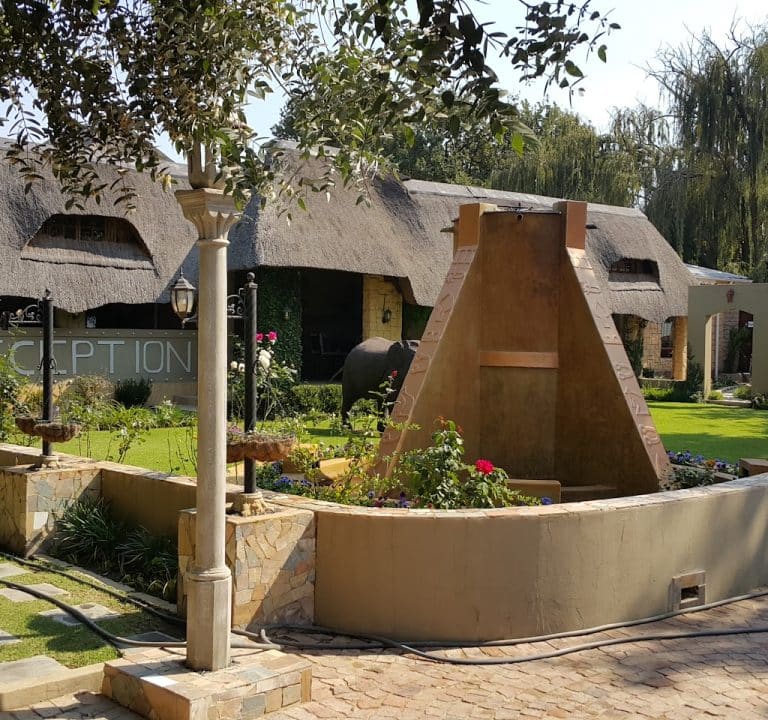
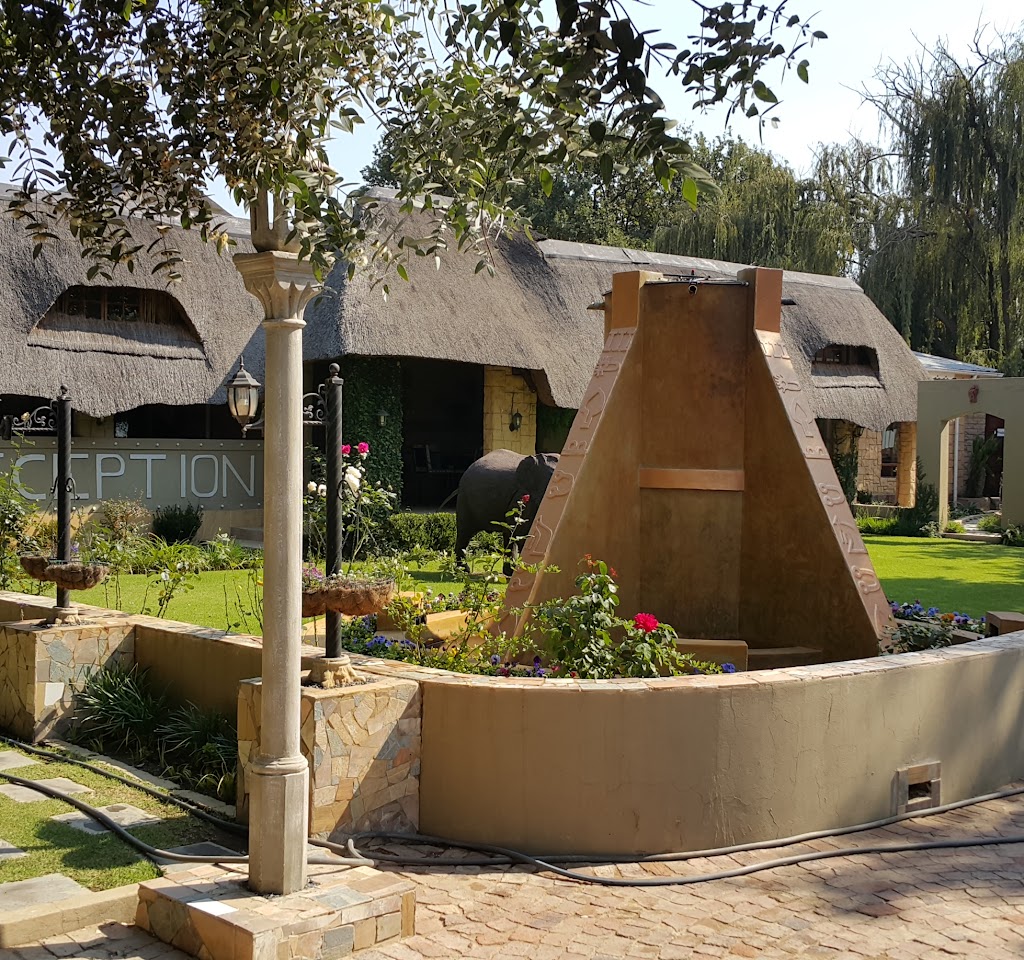
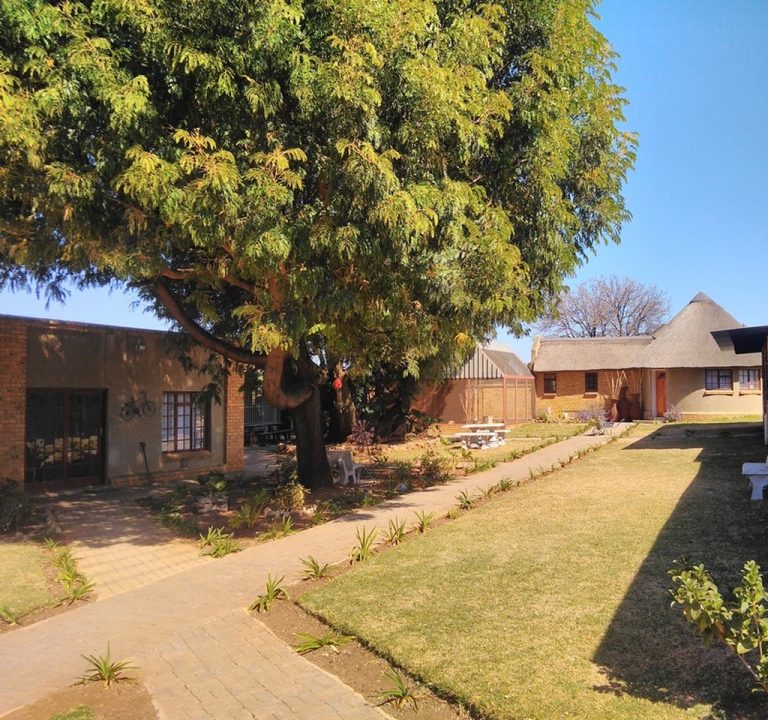
What to do and where to go, in general terms, ranges from cultural and historical sites to parks and markets. Museums and galleries illuminate South Africa’s complex past and contemporary creativity. Open-air parks and botanical spaces offer respite amid urban energy. Markets, cafés and bakeries showcase local flavours, while restaurants across the city blend traditional fare with modern twists. For those seeking a live experience, you may encounter curated tours, food trails and neighbourhood strolls that highlight local vendors and craftspeople. If you’re planning a larger event or gathering, consider venues that combine accommodation with space for conferences or private functions; a notable option in this category is The Three Countries Estate, which hosts events and offers a venue with an accessable website at http://www.3cestate.com/.
Booking tips to get the best value and most enjoyable stay:
- Read guest reviews focusing on cleanliness, responsiveness and location relevance to your plans.
- Ask about security features, neighbourhood safety, and 24-hour reception or on-call staff.
- Check for essential amenities such as reliable Wi‑Fi, air conditioning, and a kitchen or kitchen access if you expect to self-cater.
- Consider flexible or cancellable rates in case your plans change.
- Request guidance from the property on transport options, local tips and safe routes for evening outings.
Practical tips for first-time visitors: pack lightweight layers for variable weather, comfortable walking shoes for city streets, and a portable charger for long days of sightseeing. Plan in advance for peak periods and major events, as popular areas can become crowded. If you’re exploring outside the central districts, arrange a reliable mode of transport or trusted taxi service, particularly after dark. While the city has many acclaimed dining venues, don’t miss local markets and casual eateries where you can sample regional flavours in a relaxed atmosphere.
In short, Johannesburg offers a rich mix of places to stay and experiences to match your interests. With careful planning around neighbourhood choice, transport, and desired pace of travel, you can craft a stay that balances comfort with convenient access to the city’s cultural heart and its surrounding Gauteng gems. For more about event venues and dedicated spaces within the area, you may wish to explore The Three Countries Estate at the linked site above.