Johannesburg: Accommodation, attractions and planning your stay
Johannesburg, or Jo'burg as many locals call it, is a dynamic gateway to Gauteng with a diverse mix of accommodation styles to suit every traveller. Whether you’re seeking a boutique guest house, a contemporary hotel, or a cosy bed-and-breakfast, you’ll find options that put you close to the city’s cultural hubs, markets, and lively dining scenes. Planning a stay in Johannesburg often means choosing a neighbourhood that best suits your interests, then selecting a property that offers the right balance of comfort, access and atmosphere.
When selecting where to stay, consider what you want to be close to. If you’re chasing late-night vibes and a high-energy restaurant scene, the northern suburbs of Sandton and Rosebank offer modern hotels and guest houses with easy access to business districts and shopping centres. For an artsy, precinct-style stay with easy strolls to cafés and galleries, areas such as Maboneng Precinct or Braamfontein can be ideal. If you’d prefer a quieter, leafy base while still being well connected to central attractions, Melville, Linden or Randburg can provide roomier guest houses with a more residential feel. Crystal-clear transport links such as the Gautrain and major roads make many suburbs practical for day trips to Soweto, the Apartheid Museum, or suburbs with nature reserves a short drive away.
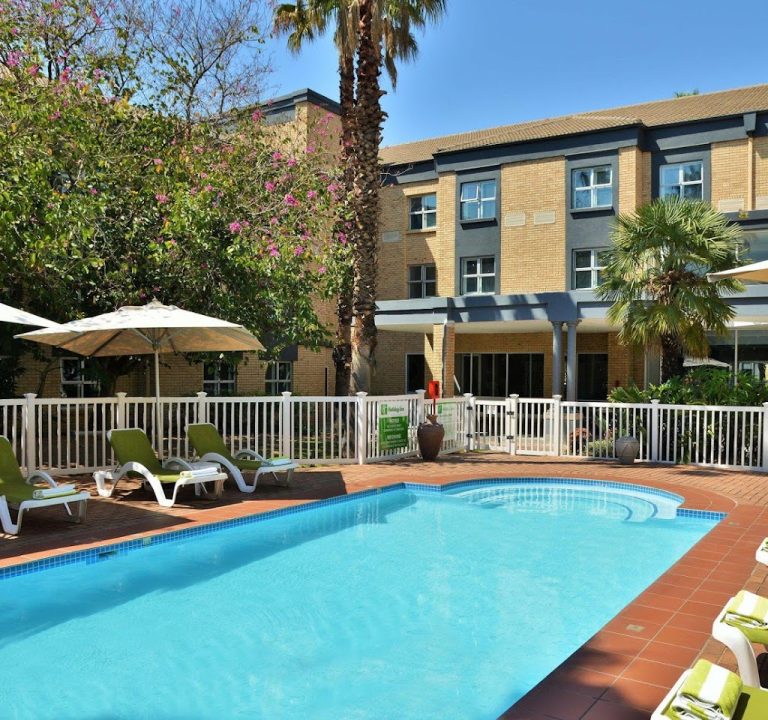
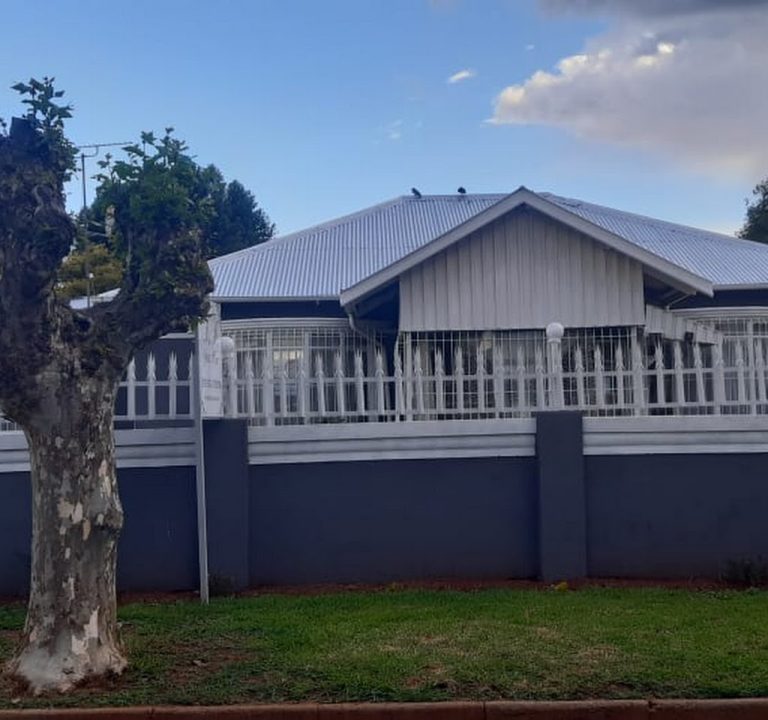
Typical accommodation options in Johannesburg range from stylish guest houses and boutique hotels to self-catering apartments and traditional B&Bs. Many offer comfortable en-suite rooms, reliable Wi‑Fi, and breakfast options, with some properties providing on-site parking, quiet courtyards, or shared kitchen facilities. In a guest house framework—like Matrix Guest House or similar establishments—you will often find a homely atmosphere, personalised service, and a compact footprint that makes for a convenient city stay. Always check what’s included in your rate, such as breakfast timing, parking arrangements, and access to public transport links.
What to look for when booking a place to stay in Johannesburg:
- Location relative to your planned activities and transport routes
- Cleanliness and comfort of rooms, with en-suite facilities and adequate storage
- Secure access and on-site parking if you’re driving
- Quiet rooms and soundproofing, given the city’s busy streets
- Reliable Wi‑Fi, power reliability, and practical amenities (coffee/tea making, a writing desk)
- Helpful reception staff or hosts who can offer local tips and transfers
Typical amenities you may encounter include comfortable beds, air conditioning or heating for Jo’burg’s varied seasons, well-equipped bathrooms, and in some cases an on-site restaurant or tea lounge. Some properties provide a shared lounge area, a small garden, and a friendly reception that can guide you to safe, affordable dining options and reliable transport. If you’re planning business travel or a longer stay, look for properties that offer flexible check-in, a kitchenette, and a work-friendly space in the room.
Transport in Johannesburg is well serviced by the Gautrain network, taxis, rideshares, and a growing number of cycle-friendly routes in certain districts. If you’re staying near Rosebank or Sandton, you’ll find convenient access to major shopping precincts and business hubs. For wider exploration—such as visiting Soweto or the city’s historic sites—consider a base that allows easy day trips and offers guidance on safe, practical travel options. While driving remains common, many visitors appreciate the relative ease of planning outings using public transport and ride-hailing services, particularly in the central and northern areas.
The best time to visit Johannesburg is linked to its climate: warm summers with afternoon thunderstorms and mild to cool winters. December to February brings vibrant outdoor markets and festive events, while June to August can be pleasantly cooler for city walks and museum visits. If you enjoy cultural programmes, keep an eye on exhibitions, markets, and live performances that showcase the city’s diverse heritage and contemporary arts scene. For outdoor activities—such as visits to nearby nature reserves or township tours—plan in daylight hours and schedule in advance to ensure you can make the most of your chosen experiences.
Practical tips for a smooth stay include booking some days in advance during peak travel periods, especially in the winter holidays and major events. Bring adaptable layers for changing temperatures, particularly for evenings. When dining out, you’ll find a vibrant mix of cuisines reflecting Johannesburg’s cosmopolitan character; most establishments welcome visitors in a relaxed, friendly atmosphere, with options ranging from casual eateries to more formal dining rooms. Safety and awareness are important: stick to well-lit areas at night, use reputable transport, and store valuables discreetly in your accommodation. If you have specific accessibility needs, contact properties ahead of time to confirm room layouts and facilities.
As for attractions and experiences, Johannesburg offers a broad spectrum beyond the city’s hustle and bustle. Visitors often combine museum visits, markets, and galleries with scenic drives to nearby parks or reserve areas, followed by meals at bustling neighbourhoods that celebrate South Africa’s diverse culinary landscape. Accommodation providers typically offer guidance on day trips, local tours, and how to tailor a stay to fit your interests. For those seeking a comfortable, characterful stay with friendly hosts, a guest house such as Matrix Guest House can exemplify the kind of welcoming base from which to explore Gauteng’s capital with ease.