Where to stay in Johannesburg: accommodation, planning and local highlights
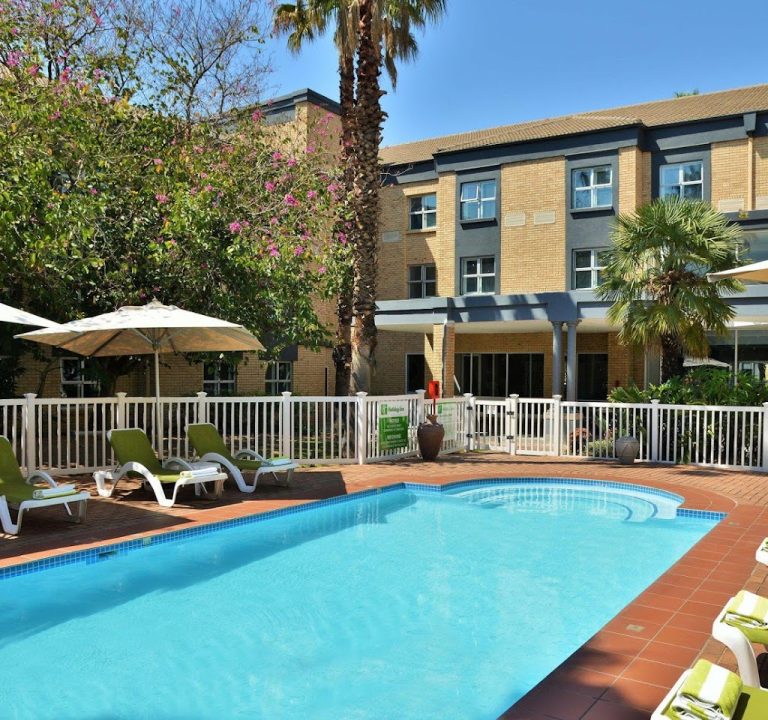
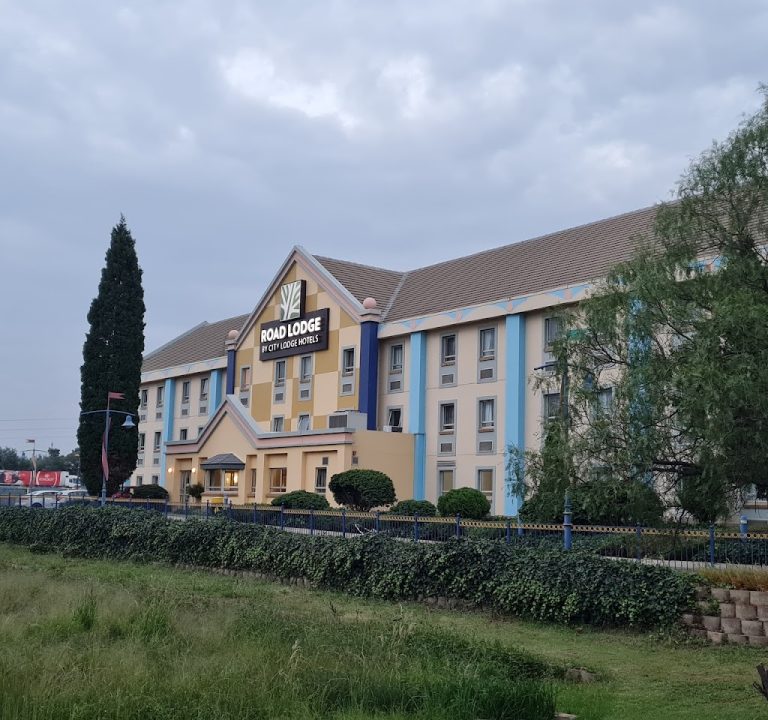
Johannesburg, often referred to as Jo’burg or Jozi, is a dynamic gateway to South Africa’s history, culture and natural beauty. When planning a stay, consider not only the type of accommodation but also the neighbourhoods that best suit your interests and pace. Options range from boutique guest houses and stylish hotels to self‑catering apartments and lodges, each with its own character and proximity to activities, dining and transport links.
Key areas to consider for accommodation include central districts with easy access to museums, markets and business hubs, and leafy suburbs that offer a calmer ambience with secure, walkable streets and strong dining scenes. Melville, Rosebank, and a few parts of the central business district present a mix of independent cafés, galleries and nightlife. Sandton and Fourways are more shopping and corporate‑leaning, with modern hotels and reputable conferencing facilities. For a neighbourhood with a vibrant, village‑like feel and easy access to parks and markets, look at Maboneng Precinct or Newtown, where guest houses and boutique stays often blend architectural charm with modern convenience.
When you book, what you should look for matters as much as the price. Prioritise safety, convenient access to public transport or shuttle services, and a host or staff who can provide local tips. If you’re arriving late, confirm reception hours or check‑in procedures. For longer stays, a property with a kitchen or kitchenette can offer real convenience and cost savings. If you’re travelling with family or colleagues, ask about suites, extra beds, and secure parking arrangements. For visitors focusing on tourism rather than business, a guest house or boutique hotel with a small, friendly team can be a real asset for personalised recommendations and assistance with routes to attractions.
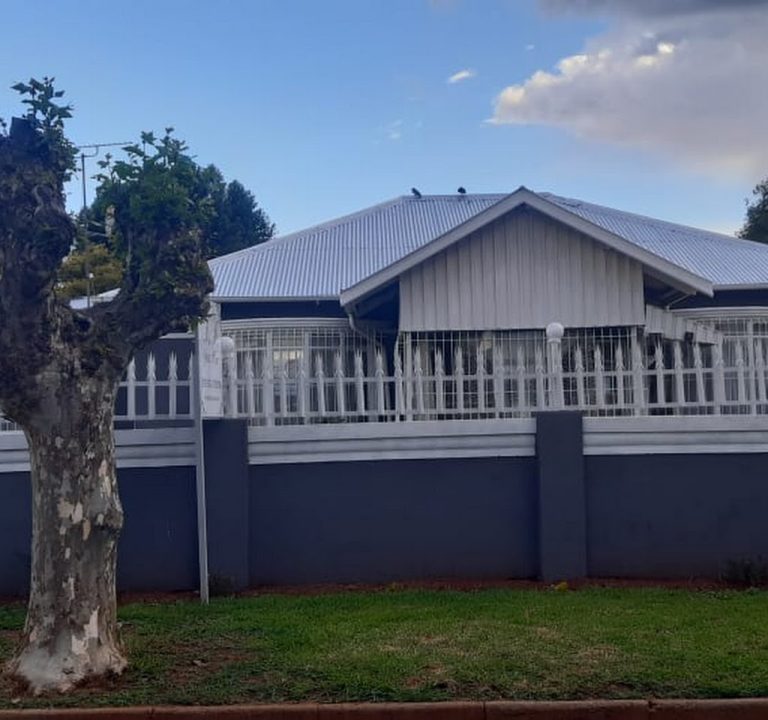
Typical amenities worth considering include reliable Wi‑Fi, air conditioning or ceiling fans for Jo’burg’s warm days, secure parking, a continental or full breakfast, and a pleasant communal or outdoor area. In some guest houses, staff can arrange guided walks, town tours, or day trips to nearby attractions. Laundry facilities or in‑room services can be important for longer stays, while a well‑stocked minibar or on‑site restaurant adds convenience. If you value sustainability, look for properties that minimise waste, conserve energy, or support local suppliers in their meals and provisions. A guest house like siba’s guesthouse may offer a home‑from‑home vibe, with comfortable rooms and a focus on personalised service that helps guests feel settled quickly.
Transport around Johannesburg is straightforward but varies by area. The city is well connected by major roads and highways, while Gautrain links the airport with northern and central suburbs and is a convenient option for some visitors. In many areas, taxis and ride‑hailing services are reliable, and some accommodation providers offer airport transfers or shuttle services. If you plan day trips to areas beyond the city centre, check whether your stay can assist with car hire or organised tours. Walking is feasible in compact districts with pedestrian‑friendly streets, markets, and dining options, but in other parts you’ll rely more on designated transport.
The best time to visit Johannesburg is typically during the mild, dry season from late spring to early autumn. May to September offers comfortable daytime temperatures and clearer skies for outdoor activities and city sightseeing. If you’re aiming to catch markets, street food scenes, or cultural events, align your stay with the local calendar and consider that weekends can be busier in popular neighbourhoods. Given Johannesburg’s altitude and urban heat, packing layers, sun protection and a light rain jacket for occasional showers is sensible year‑round.
Practical tips to maximise your stay:
- Book accommodation with clear security measures, well‑lit entrances, and staff who can advise on safe routes after dark.
- Choose a property with good access to a taxi or ride‑hailing service, particularly if you plan evening meals out or late tours.
- Ask about nearby dining options, markets, and cultural venues so you can plan efficient routes between stays and activities.
- Check the cancellation policy and any deposit requirements before finalising your booking, especially for peak periods.
Beyond where you stay, Johannesburg offers a range of experiences suitable for most visitors. Museums and heritage centres provide insights into South Africa’s rich history, while markets and culinary districts offer a flavour of local creativity and street food. Parks, viewpoints, and nature reserves nearby can provide a welcome escape from the city bustle, with opportunities for short walks or longer day trips. When selecting attractions and dining options, opt for establishments with positive guest reviews and clear safety information, and feel free to ask your host or accommodation staff for personalised recommendations based on your interests and pace.
In short, planning a visit to Johannesburg is about balancing the right base with convenient transport, dependable amenities and a sense of neighbourhood character. Whether you stay in a cosy guest house like siba’s guesthouse, a boutique hotel, or a modern apartment, the key is to choose a neighbourhood that aligns with your activities, and to enjoy the city’s warm hospitality, diverse cuisine and dynamic cultural scene.