<h2 Cape Town Accommodation and Experiences: Planning Your Stay in the Western Cape
<pCape Town is a city of contrasts, where dramatic landscapes meet a lively mix of neighbourhoods, cuisines and cultural experiences. Whether you are drawn to the rugged coastline, the grand hills of the Table Mountain Massif, or the historic streets of the city bowl, there are lodging options to suit every style and budget. From intimate guesthouses in leafy suburbs to modern apartments with harbour views, planning a stay in and around Cape Town means weighing convenience against atmosphere, budget and access to transport.
<pWhen choosing where to stay, consider the areas that best match your interests and pace. The V&A Waterfront and the central city offer easy access to dining, shops and day trips, with a cosmopolitan feel and good public transport links. For a more relaxed, scenic base, the Atlantic Seaboard towns of Camps Bay and Clifton provide beaches, sun and stylish eateries. The fashionable neighbourhoods of Green Point and Sea Point sit between the city and the sea, easy for walkers and for those who prefer a compact, well-connected base. For a quieter, family-friendly stay, suburbs such as Constantia for wine and mountains, or the quieter southern suburbs near Muizenberg, may be preferable. And if you are exploring the Cape Peninsula, lodgings closer to Simon’s Town or Hout Bay offer proximity to penguin colonies, penguin conservation projects, and dramatic coastline drives.
<pTypical amenities vary by style and price, but many travellers look for reliable Wi‑Fi, a comfortable workspace, a well-equipped kitchenette or breakfast options, on-site parking, and a good in-room or on-site security setup. If you are visiting during peak season, many guests value a responsive host or front desk, accessible public transport connections or convenient shuttle arrangements to the city centre or popular beaches. For longer stays or self-catering trips, a well-equipped kitchen, laundry facilities or a private balcony can make a big difference to daily life. A stay in a boutique guesthouse may emphasise personalised service and breakfast, while a modern apartment or lodge could focus on privacy and a strong view or terrace space.
<pTransport options in Cape Town are diverse. The MyCiTi bus service links many central spots and coastal areas, while an Uber or similar ride-hailing option can be convenient for late evenings or day trips. If you plan to explore beyond the city, renting a car provides flexibility for coastal drives and scenic routes to wine country and nature reserves. When selecting an accommodation, check how easy it is to reach the city centre, the airport, or popular day-trip routes. Some lodgings offer complimentary shuttle services or partnerships with local tours, which can be a time-saver for first-time visitors.
<pBest time to visit Cape Town blends weather considerations with crowds and price. South Africa’s winter (June to August) is cooler and drier, often a good period for wildlife watching in nearby reserves and for visitors who prefer quieter streets and lower prices. Spring and autumn are typically mild and pleasant, ideal for outdoor activities such as hiking or coastal walks. Summer (December to February) brings longer days and a bustling atmosphere, but it also means higher demand and more crowded amenities. Wherever you go, plan for occasional sea breezes and sudden changes in weather, and have a flexible plan for outdoor activities that might be influenced by wind and sea conditions.
A practical planning checklist helps ensure a smooth stay. Decide on a base that minimises long commutes, or choose a central area if you want to maximise walking and public transport options. Check parking arrangements if you’ll be driving, and confirm whether entrances to attractions or restaurants require pre-booking. Consider the balance between self-catering facilities and included meals, and verify access to nearby supermarkets or casual dining options. When arranging activities, think about day trips to the Cape Peninsula, Boulders Beach and the Cape Winelands, and leave some time for spontaneous discoveries in the city’s markets, music venues and craft galleries.
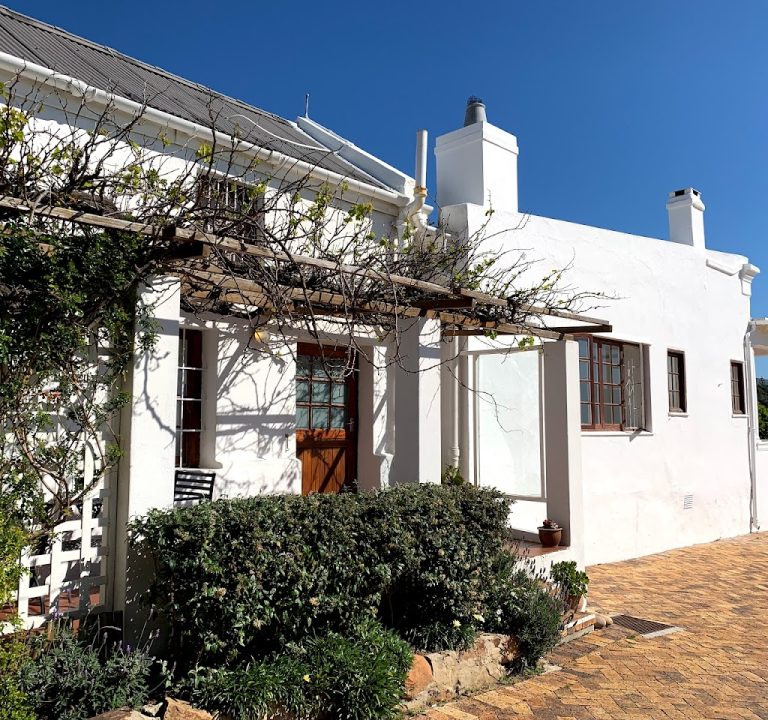
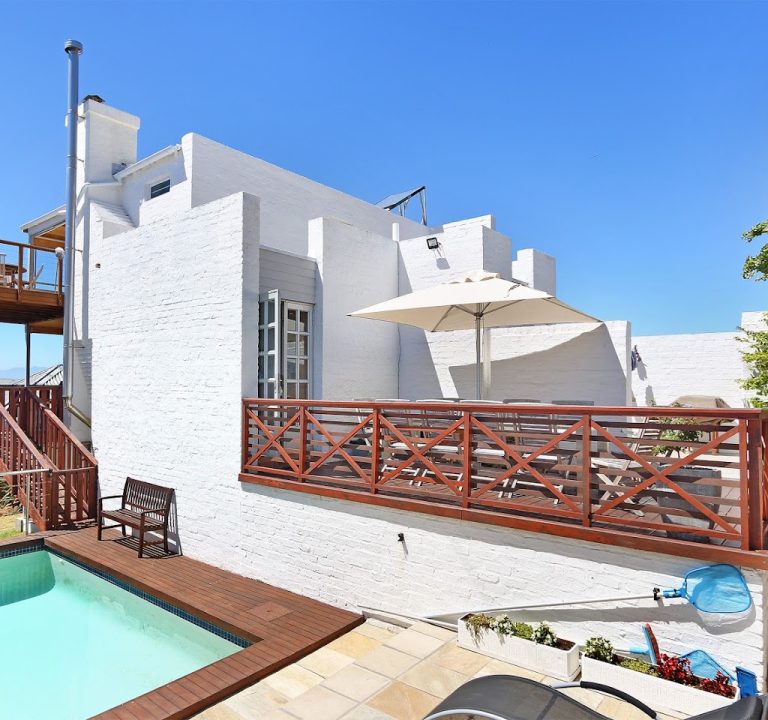
<pAn illustrative example of the kind of lodging available is the Boulders Beach penguin cottage, a coastal lodging option that highlights how guests can combine a relaxed home base with proximity to iconic natural scenery. While each property will have its own character, you can expect a focus on comfort, local touches and easy access to the region’s beaches and viewpoints. For further inspiration, consult official tourism resources and guest reviews to identify stays that match your interests and budget. More information about places to stay and experiences across the Western Cape can be found at official tourism websites and reputable travel guides.
<pWhen you book, read guest reviews with a critical eye for transport access, noise levels, room conditioning and reliability of supplies. Look for properties with clear cancellation policies and responsive hosts or managers, particularly if your plans may shift. Consider a combination of stays—perhaps a few nights in a city-centre lodge followed by a quieter retreat near the coast—to experience Cape Town’s diversity without sacrificing convenience. And after you settle in, set aside time to explore local eateries that reflect Cape Town’s vibrant, multicultural food scene, from casual cafés to refined dining rooms that celebrate regional ingredients.
For more information on where to stay and what to see, visit Cape Town’s official tourism pages and reputable travel resources. These can offer current guidance on neighbourhood highlights, seasonal events, and practical tips for a rewarding visit.