Discover Cape Town: Where to stay, what to do, and how to plan a memorable visit
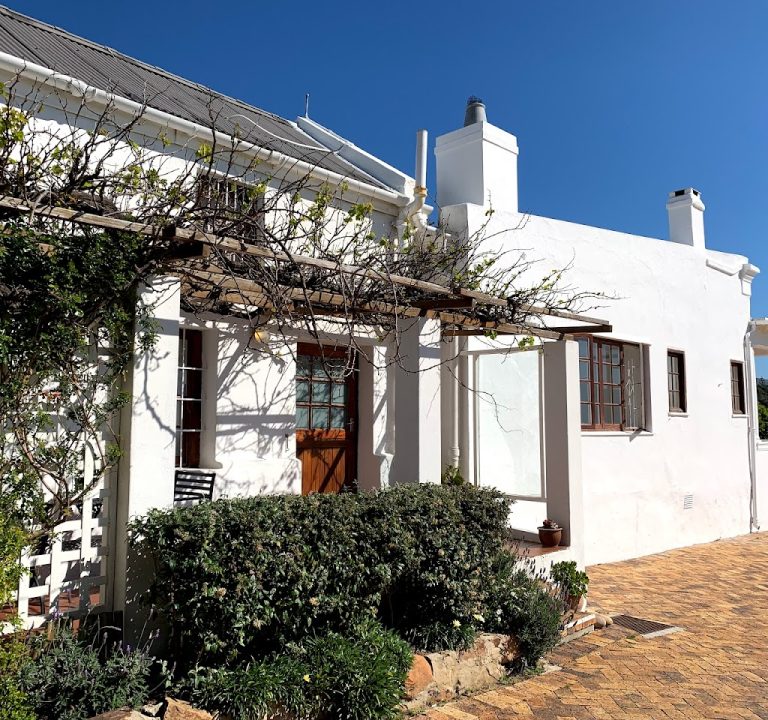
Capable of catering for every style and budget, Cape Town offers a mosaic of neighbourhoods that each tell a different side of the city. A guest house such as Boulder’s Beach House can provide a relaxed, homely base for exploring the Western Cape’s dramatic coastline and vibrant urban life. When planning a stay, consider the feel you want—from buzzy waterfront proximity to tranquil hillside retreats with sweeping views. Think about accessibility to public transport, nearby eateries, and the kind of pace you prefer for your days.
Areas to consider include the Atlantic Seaboard, known for scenic beaches and contemporary boutiques; the City Bowl, which places you at the doorstep of museums, markets, and historic streets; and the leafy southern suburbs where quiet streets and easy access to Table Mountain offer a different kind of stay. If you want quick access to the major beaches, crowds, and cosmopolitan dining, look for accommodation along the coast or within easy reach of the V&A Waterfront. For a more laid-back vibe with nature on your doorstep, consider areas closer to Kirstenbosch or the slopes of Table Mountain. Public transport is improving, but many visitors still find car hire or rideshares the most convenient way to move between hills, beaches, and viewpoints.
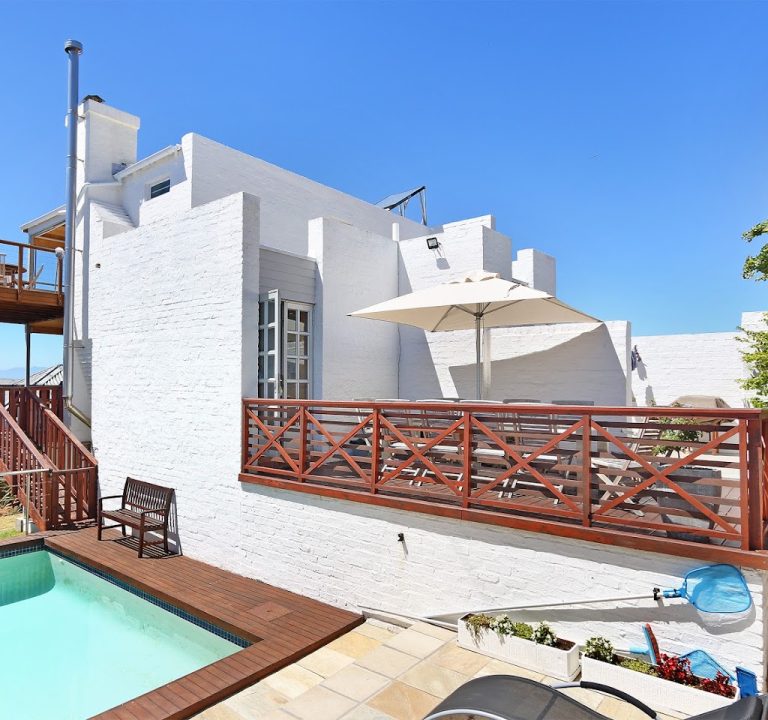
When you book, look for typical amenities that make a stay comfortable and convenient. A guest house or boutique hotel in Cape Town commonly offers en-suite rooms, daily housekeeping, and breakfast options that range from continental to heartier, locally inspired recipes. Practical touches such as reliable Wi‑Fi, ample off-street parking, and clear information about nearby eateries and transport routes can save time and stress. Some properties provide guest lounges, outdoor spaces with views, and terrace meals to enjoy the Cape sunshine. If you’re planning longer stays, ask about self-catering facilities, laundry services, and flexible check-in times.
Transport in and around Cape Town is practical but requires a little planning. MyCiTi bus services cover many routes, while Uber and local taxis provide door-to-door options. If you plan day trips to the Cape Winelands, the Cape Peninsula’s famed coastal drives, or nature reserves, a car offers the most flexibility. For guests staying near popular attractions, many hotels and guest houses can arrange guided tours or recommend reputable operators for hiking, penguin viewing, or Peninsula excursions. Remember to check parking arrangements if you are driving, as spaces can be limited in busy areas.
Peak seasons in Cape Town typically align with school holidays and the southern hemisphere summer. The city’s climate allows outdoor enjoyment for most of the year, but the best time to visit for outdoor activities and outdoor dining is usually from late spring to early autumn. Spring (September to November) brings blanketing wildflowers and milder temperatures, while autumn (March to May) offers pleasant conditions for sightseeing without the peak crowds. If you’re keen on whale watching or specific coastal events, plan according to the calendar, and always book well in advance for popular weekends or holiday periods.
Practical tips to help you plan a smooth stay:
- Book accommodation with clear cancellation policies and, where possible, flexible dates to cope with weather or changing plans.
- Choose a place with well-lit streets nearby at night and considered guest safety measures.
- Ask about breakfast options, dietary accommodations, and whether the property offers guided walks or activity recommendations.
- Check the proximity to your planned activities and whether a car is necessary. If not, ensure the property is close to reliable transport links.
- Look for settings that reflect the Cape’s climate—some rooms may have good natural ventilation or air conditioning, while others rely on fans or shade.
In terms of experiences, Cape Town offers a breadth of experiences without needing to venture far. General terms describe attractions such as dramatic mountain viewpoints, historic neighbourhoods, and harbour areas where you can observe local life and sample a range of dining options. Restaurants vary from informal eateries serving seafood and grilled fare to more refined venues emphasising seasonal produce and regional flavours. Rather than specific names or prices, seek recommendations for places that highlight fresh, locally sourced ingredients, and look for venues with a reputation for friendly service and a relaxed atmosphere.
Locations with easy access to nature, cultural hubs, and waterfront scenery provide a balanced itinerary. You might spend mornings exploring a Table Mountain backdrop, afternoons enjoying markets and galleries, and evenings sampling Cape Town’s diverse restaurant scene. For inspiration and up-to-date suggestions, consider consulting official tourism resources and hotel-specific itineraries. They can help tailor your plans to the time of year, your interests, and the pace you prefer for your Cape Town stay.
Whatever your choice of base, Cape Town invites you to experience its beauty at your own pace. With thoughtful planning—choosing the right area, understanding transport options, and selecting accommodations that match your needs—you can craft a memorable mix of relaxation, adventure, and culinary delight. For more information and ideas on current events and suggested itineraries, visit trusted tourism sites or the accommodation provider’s official pages.