Cape Town: A Practical Guide to Staying, Exploring and Dining
Cape Town is a city of breathtaking scenery, vibrant neighbourhoods and a coastline that changes colour with the light. When planning a stay, consider that the best experiences often stem from choosing a base that suits your pace—whether you want easy beach access, easy access to the city’s iconic sights, or a quiet hillside escape with views over the Atlantic. The following guidance helps you balance comfort, location and cost, and makes it easier to plan a stay that matches your interests and budget.
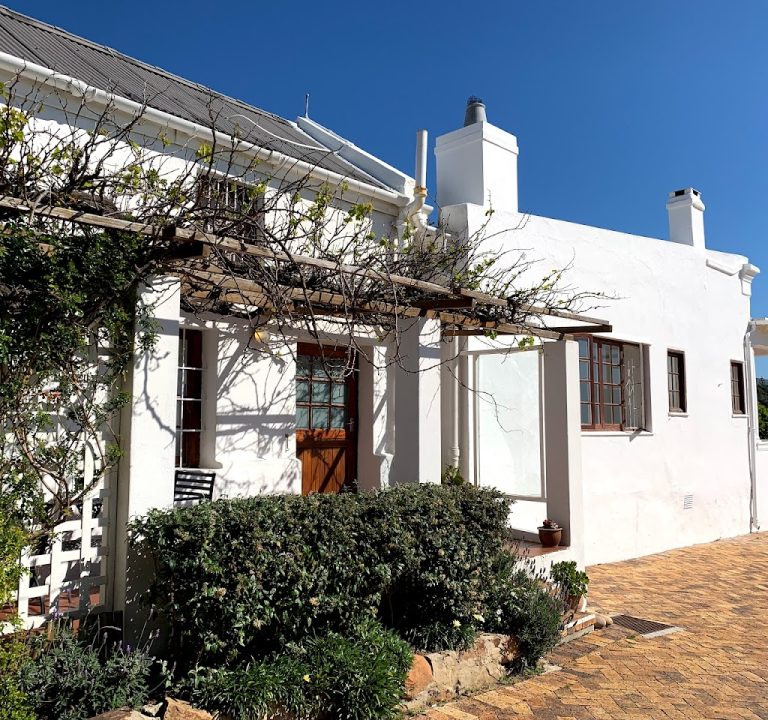
Areas to consider. The Atlantic Seaboard, including areas near the city’s beaches and promenades, is popular for stylish hotels, guesthouses and self‑catering apartments with sea views. The City Bowl offers convenient access to central attractions, markets and nightlife, with many boutique hotels and guesthouses set in historic courtyards. Constantia in the southern suburbs provides leafy tranquillity, wine estates and spacious lodges or guesthouses for travellers seeking a calmer retreat. If you prefer a colourful cultural flavour within walking distance of museums, markets and historic sites, Bo-Kaap and De Waterkant are good options. For families or travellers seeking larger spaces, Constantia, Hout Bay and nearby enclaves offer properties with gardens and parking, while Camps Bay and Clifton provide beachside luxury closer to the iconic Twelve Apostles mountains.
What to look for when booking. Consider proximity to the experiences you want to prioritise—whether it’s Table Mountain, the V&A Waterfront, Robben Island or Cape Point. Check transport options, including walkability to cafés or eateries, easy taxi access, or whether the property offers parking for hire cars. Read guest reviews carefully for notes on noise levels, cleanliness and consistency of service. Look for clear policies on check‑in times, breakfast options, housekeeping frequency, and whether the accommodation provides essentials such as Wi‑Fi, air conditioning, heating and secure storage for valuables. If you plan to visit during peak season, expect higher rates and more limited availability; booking well in advance often yields better value and more choice of location.
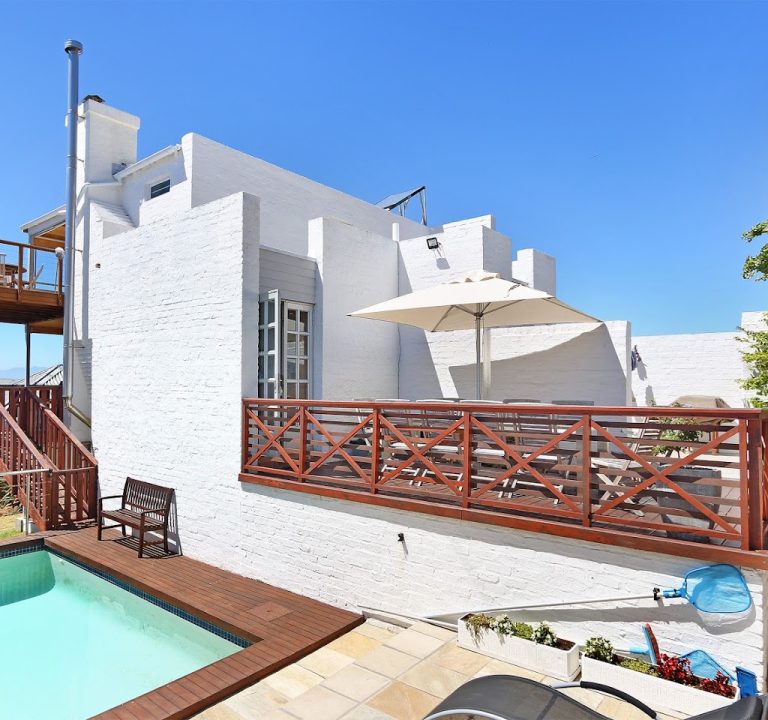
Typical amenities and what travellers value. You’ll often find en‑suite bathrooms, comfortable bedding, and well‑equipped kitchens or tea‑and‑coffee facilities. Many properties offer secure parking, reliable Wi‑Fi, in‑room safes, balconies or terraces with views, and access to on-site facilities like pools or sun decks. Hosts who provide local tips — on best viewpoints, markets, and transport routes — can be especially helpful. For families or longer stays, consider self‑catering arrangements, laundry facilities, and flexible cancellation policies. If you’re staying near the coast, check whether your option provides easy beach access or routes for coastal walks.
Transport and getting around. Cape Town’s geography means some sights are best accessed by car, while others are well served by public transport or guided tours. The MyCiTi bus network is a straightforward way to reach many central areas, the V&A Waterfront, and the city’s major hubs. For day trips to the Cape Peninsula, Simon’s Town or the Cape Winelands, hiring a car can be convenient. Consider properties with easy access to taxi services or with on‑site parking if you plan several day trips. If you plan early morning excursions up Table Mountain, check whether your stay offers breakfast hours that suit your schedule or tips for arranging cable car trips in advance during busy periods.
Best time to visit. Cape Town’s seasons offer distinct pleasures. Summers (November to February) tend to be sunny and lively, great for beaches and outdoor activities, while autumn (March to May) and spring (September to November) bring mild weather and fewer crowds. Winter (June to August) is cooler and wetter, but can offer excellent conditions for hiking with fewer visitors and lower rates. Shoulder seasons often deliver the best balance of pleasant weather and good value. If your plan includes outdoor adventures or scenic drives, consider weather forecasts and sea conditions when scheduling coastal activities.
Practical tips for a smooth stay. Plan to book accommodation with a clear cancellation policy and a realistic headcount for the dates chosen. Pack appropriate layers for rapid weather changes, sunscreen for sunny days, and comfortable footwear for walks up hills or along waterfront paths. When dining out, it’s wise to book in advance for popular restaurants, especially in peak seasons. Always keep a copy of important confirmations, directions to your accommodation, and a map of the area. If you are seeking a project-worthy base with easy access to both city life and natural scenery, you might opt for a location that blends street‑level convenience with tranquil surroundings.
Sample accommodation concepts to consider. For those chasing a coastal vibe, beachfront or near‑water properties can offer sunrise views and easy access to walks along the shore. City‑centre stays can provide rapid access to museums, markets and nightlife, while a hillside or garden‑fringed guesthouse can offer quiet mornings and greener surroundings. A stay near a well‑connected transport hub often reduces the reliance on car travel, making it easier to explore a wider range of attractions, cafés and day trips.
- Look for flexible booking policies and transparent pricing.
- Prioritise properties with reliable Wi‑Fi, parking, and good security.
- Choose accommodation with easy access to your planned activities and transport links.
- Factor in potential peak-season demand when planning your dates.
One notable example of Cape Town’s hospitality landscape is a property marketed as a hotel with a café and curio shop, situating near both beaches and attractions. For those exploring options and securing a stay, it can be helpful to review the property’s official booking page for details on location, facilities and current rates: Book Nightsbridge – Boulders Beach Hotel, Cafe and Curio Shop.
In summary, Cape Town offers a range of accommodation styles that can suit different travel rhythms and budgets. By prioritising location, verifying practical amenities, and planning around transport and peak times, visitors can enjoy a well‑paced stay that combines memorable scenery with comfortable, convenient lodging and a selection of welcoming dining options along the way.