Accommodation in Cape Town: where to stay, what to expect, and how to plan your visit
Cape Town combines dramatic scenery with a vibrant mix of neighbourhoods, making it possible to tailor a stay to almost any travel style. From cosmopolitan stays in the City Bowl to sun-drenched retreats along the Atlantic Seaboard, and rustic lodges in the surrounding winelands, there are lodging options to suit every budget and preference. When planning a visit, start by thinking about what you want to access most days— beaches, city sights, vineyards, or a calmer coastal ambience—then choose your area accordingly.
Areas to consider
- City Bowl and the central suburbs offer easy access to museums, markets, and an abundance of dining options, all within walkable distances or short rides.
- The V&A Waterfront provides a marina backdrop with convenient transport hubs, making day trips and evening strolls straightforward.
- The Atlantic Seaboard, including Green Point, Sea Point, and Camps Bay, is ideal if proximity to beaches and spectacular ocean views are high on your list.
- Constantia and the southern suburbs are perfect for a quieter stay among vineyards, with a village feel and superb dining options.
- False Bay and the Cape Peninsula offer a slower pace and dramatic coastlines, with an emphasis on outdoor activities and scenic drives.
What to look for when booking
- Location and access: Consider proximity to a MyCiTi bus stop or a reliable taxi/ride-hailing option if you’re not renting a car. Some areas are more pedestrian-friendly than others.
- Parking: If travelling by car, check whether on-site or secure off-street parking is available.
- Amenities: Look for en-suite bathrooms, reliable Wi-Fi, a well-equipped kitchen or kitchenette if you intend to cook, laundry facilities, and climate control.
- Outdoor space and views: Many travellers prize a balcony, terrace, or garden, particularly if you plan to enjoy the seaside air or a sunset over the mountains.
- Child- or pet-friendliness: If you’re travelling with family or four-legged companions, ensure the property welcomes children and pets, and note any restrictions.
- Safety and neighbourhood character: Read recent guest reviews for insights into safety, noise levels, and the character of the street or estate.
- Accessibility: If required, verify elevator access, a step-free entry, or wider doorways for mobility needs.
- Booking terms: Check cancellation policies, deposit requirements, and whether utilities such as electricity or heating are included in the price.
Typical amenities and practical tips
- Self-catering or breakfast included: Many Cape Town stays offer self-catering facilities or a light breakfast. If you prefer low-effort mornings, a property with a small kitchen and basic provisions can save time.
- Heating and cooling: Coastal properties may enjoy natural breezes, but some seasons benefit from heaters or air conditioning. Pack a light jumper for evenings and a sunhat for daytime.
- Transport: Renting a car gives you the greatest flexibility for exploring the peninsula and winelands. Alternatively, plan to use a combination of taxis, ride-hailing apps, and public transport for city sights.
- Safety basics: Keep valuables secure, use a safe if available, and rely on reputable providers even when exploring popular sights.
- Connectivity: If you’re working remotely or need reliable internet, filter for properties that advertise robust Wi-Fi and desk space.
- Local information: Hosts often share insider tips on the best beaches, viewpoints, markets, and eateries—ask for recommendations on these.
Best time to visit and planning
- Summer (December to February) brings warm days and lively beach scenes, but remember it is peak season, so expect higher prices and busier venues.
- Autumn (March to May) and spring (September to November) offer milder weather for sightseeing and coastal walks, with fewer crowds.
- Winter (June to August) is cooler and Atlantic winds can be brisk; this period can suit hikers and city explorers looking for quieter experiences and indoor attractions.
- For wine lovers, plan a stay that includes a day trip to the nearby Constantia or Stellenbosch areas, with time allocated to cellar doors, tastings, and scenic vineyard lunches.
Attractions and dining, in broad terms
- Iconic landmarks and natural scenery are easy to access from many neighbourhoods: a day at a major beach, a drive along the coast to dramatic viewpoints, or a hike in the surrounding parks and nature reserves.
- City experiences range from markets and art galleries to cultural tours and harbour cruises. You’ll find a mix of casual eateries and upmarket restaurants, with an emphasis on fresh seafood, farm-to-table dishes, and diverse international influences.
- South African cuisine is celebrated in many venues, with menus often featuring fresh seafood, game, and regional produce. Look for places that offer a relaxed, friendly vibe and a sense of place rather than flashy settings alone.
- Practical day plans: combine a morning maritime stroll with a late lunch in an area known for its sunset spots, followed by a casual evening in a neighbourhood with live music or a cosy wine bar.
Beach Villa @ Boulders and other lodging examples
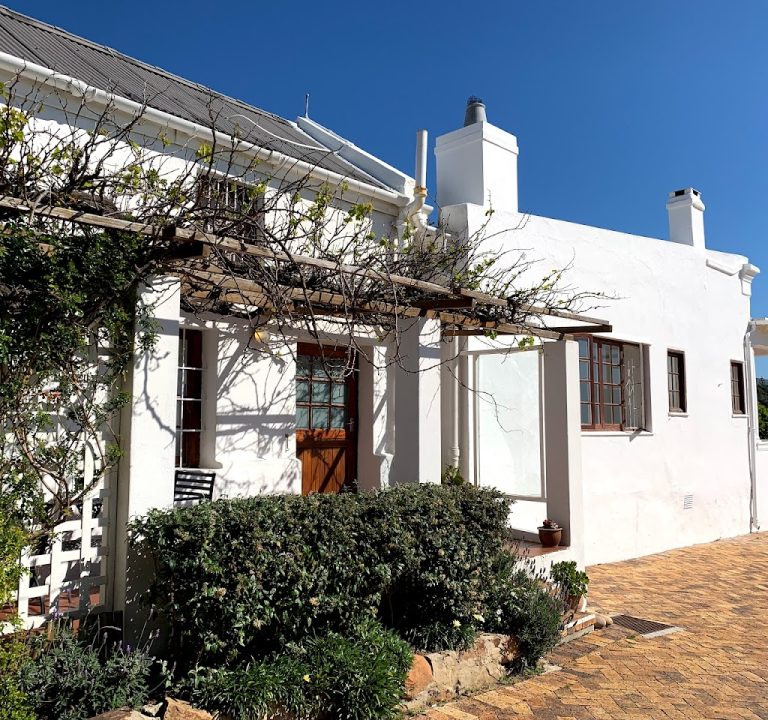
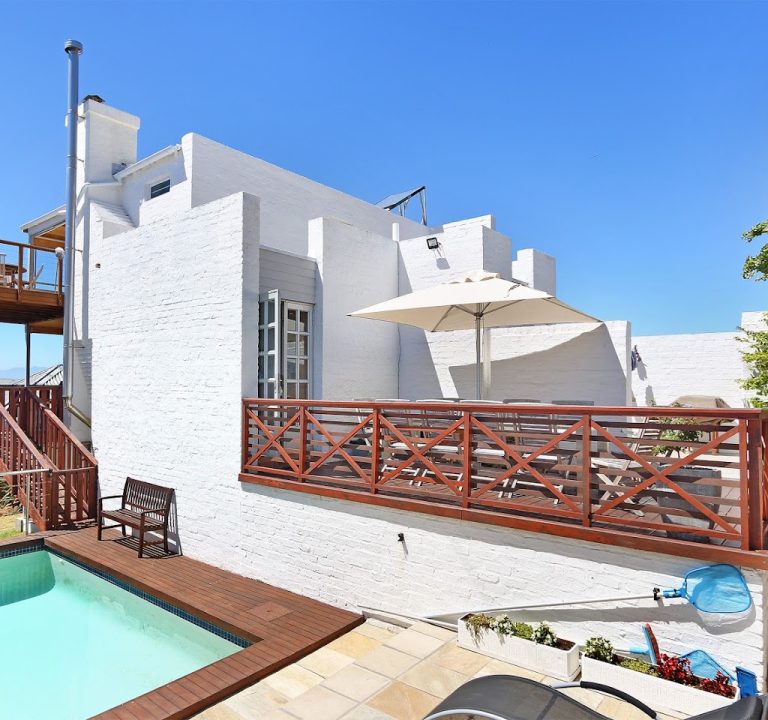
As an example of the kind of lodging you might encounter, Beach Villa @ Boulders is a lodging option that evokes coastal ambience and proximity to the Atlantic side of Cape Town’s broader area. When researching such properties, you’ll often find options that balance comfort with access to nature, whether near the city’s hills or along the shoreline.
Getting the most from your stay
- Plan in advance for popular periods and book flexible rates when possible.
- Balance days of city sightseeing with days devoted to beaches or the winelands, so you don’t burn out on one activity.
- Use local guides or visitor information centres to discover off-the-beaten-path experiences, markets, and seasonal events.
- Honour local etiquette, particularly in residential areas, and support small businesses and family-run eateries where possible.
For further inspiration and practical planning, you can explore Cape Town’s official tourism resources and trusted travel guides online, which offer up-to-date suggestions on sights, dining, and accommodation.