Johannesburg Stay: Accommodation, Attractions and Practical Tips for Visitors
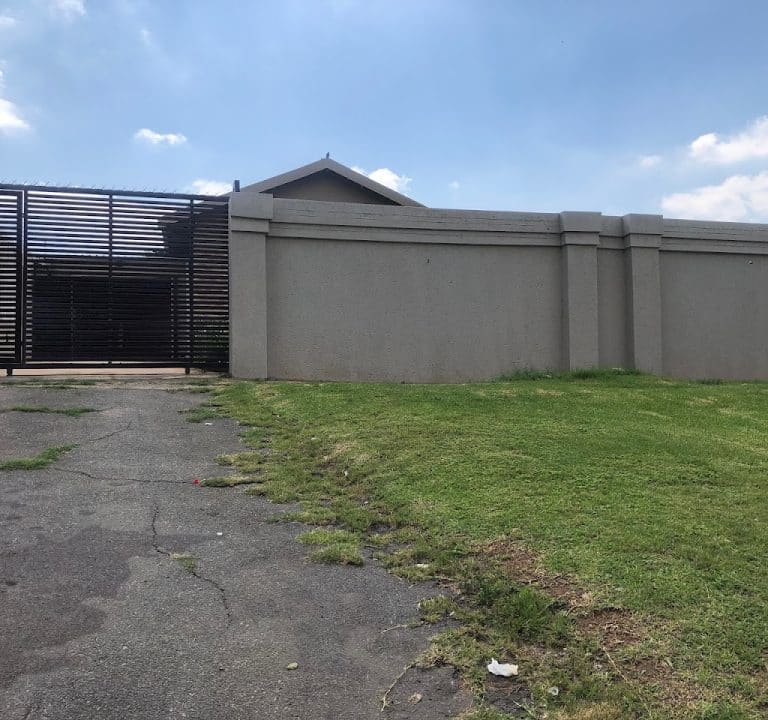
Johannesburg, or Jo’burg as many locals shorthand it, offers a dynamic mix of neighbourhoods, affordability and a gateway to South Africa’s inland adventures. When planning a stay in Gauteng’s largest city, consider the character of the area you choose for accommodation, how you’ll move around, and which experiences you want to weave into each day. A guest house such as the BNB in Chrissville can provide a comfortable base with a personalised touch, while a stylish hotel or self‑catering apartment can offer different conveniences depending on your itinerary.
Areas to consider for a stay. If you’re after a cosmopolitan vibe with easy access to business facilities, dining and nightlife, the northern suburbs around Sandton and Rosebank are well served by reliable transport links and well-rated guest houses and hotels. For a more urban, artsy atmosphere with galleries, creative eateries and a relaxed pace, districts such as Braamfontein and Maboneng offer characterful options and a walkable core. For a broader mix of culture, history and parkland, a stay near central Johannesburg or in nearby suburbs provides convenient access to sights and day trips, while often offering good value‑for‑money compared with the newer hotel corridors. When selecting a property, read recent guest reviews to gauge consistency, note the level of security and on‑site parking, and check if the property offers breakfast, private bathrooms, and reputable housekeeping services.
What to look for when booking. Start with the basics: a clean en‑suite bathroom, reliable hot water, and secure access into the building. If you’ll be out late, confirm a 24‑hour reception or a clear check‑in process. A guest house like BNB in Chrissville may emphasise personalised service, with hosts able to offer local tips and tailored recommendations. Consider the amenities most important to you: a comfortable bed, air conditioning or heating for Jo’burg’s seasonal fluctuations, a well‑equipped kitchen or continental breakfast, free Wi‑Fi, and on‑site parking or easy street parking. A written cancellation policy and transparent house rules help avoid surprises. For longer stays, flexible weekly rates or introductory tariffs can provide good value. Check access to transport links—proximity to an airport or main train station, and the availability of ride‑hailing or taxi options—so you can move efficiently without dependence on a car every day.
Typical features you may encounter. Across a spectrum of guest houses, boutique hotels and lodges, you’ll commonly find private bathrooms, comfortable lounges, and well‑stocked coffee or tea facilities. Many properties provide daily housekeeping, secure parking, and lockable storage for luggage. Some offer cooked‑to‑order breakfast or self‑service breakfast options, with local breads, fruit and hot beverages. If you’re travelling with families or groups, ask about family rooms or interconnecting suites. Soundproofing and blackout curtains can improve comfort in busy urban areas. For travellers conscious of accessibility, confirm step‑free entry, wide doorways and accessible bathrooms when relevant. A small garden or courtyard can be a welcome retreat after a day of exploring the city’s outdoor spaces and markets. If sustainability matters to you, enquire about energy efficiency, recycling facilities and local sourcing in the kitchen.
Transport and getting around. Johannesburg’s layout and transport options mean planning ahead can save time. The city is served by a regional rail network, with the Gautrain connecting to the airport and other major hubs, and a growing network of bus routes in central areas. For quick hops between neighbourhoods, ride‑hailing apps are widely used and reliable, though prices can rise during peak hours. If you prefer to drive, check whether your accommodation offers parking and what the local street parking rules are, as some areas require permits or have time‑restricted spaces. Walking is pleasant in compact districts with tree‑lined streets and safe pedestrian routes, particularly during daylight hours and in well‑lit neighbourhoods after dark. Arranging a day with a local guide or joining a small group tour can also help you access top sights efficiently while learning about the city’s history and culture.”
Best time to visit. Johannesburg enjoys a sunny climate for much of the year, with a summer rainy season typically from late spring to early autumn. Many travellers prefer the drier, milder winter months for outdoor experiences and city sightseeing. If you’re planning day trips to nearby nature reserves or winelands, consider the seasonal patterns for those regions as well. Bring a versatile wardrobe: light, breathable layers for daytime heat, plus a light jacket for cooler evenings and occasional rain showers. Sunscreen and a hat are useful year‑round, particularly if you’ll spend long periods outdoors visiting urban parks, markets or scenic overlooks.
Practical tips for a smooth stay.
- Book early in popular periods and verify flexible cancellation options.
- Confirm the exact inclusions, such as breakfast, parking, laundry services or late check‑in.
- Pack a universal SIM card or rely on guest house Wi‑Fi for communication and maps; data connectivity makes it easier to navigate transport options and local recommendations.
- When planning meals, many properties can offer or suggest nearby casual eateries or markets, as well as mixed cuisine options to suit diverse tastes.
- Balance your itinerary with a mix of indoor and outdoor experiences, especially in the warmer months when Jo’burg’s streets come alive with markets, street food and open spaces.
- Choose accommodation with clear safety information and secure access
- Prioritise good transport links or parking
- Look for hosts or properties offering authentic local tips
- Balance urban exploration with rest and downtime
Johannesburg rewards curious travellers with a dynamic mix of culture, history and modern living. With thoughtful planning, you can enjoy comfortable accommodation, easy transport, and a sequence of engaging experiences—whether you’re sampling the city’s culinary scene, exploring its museums and parks, or using it as a base for exciting day trips across Gauteng and beyond.