Accommodation and Experiences in Johannesburg: Planning Your Stay in Gauteng
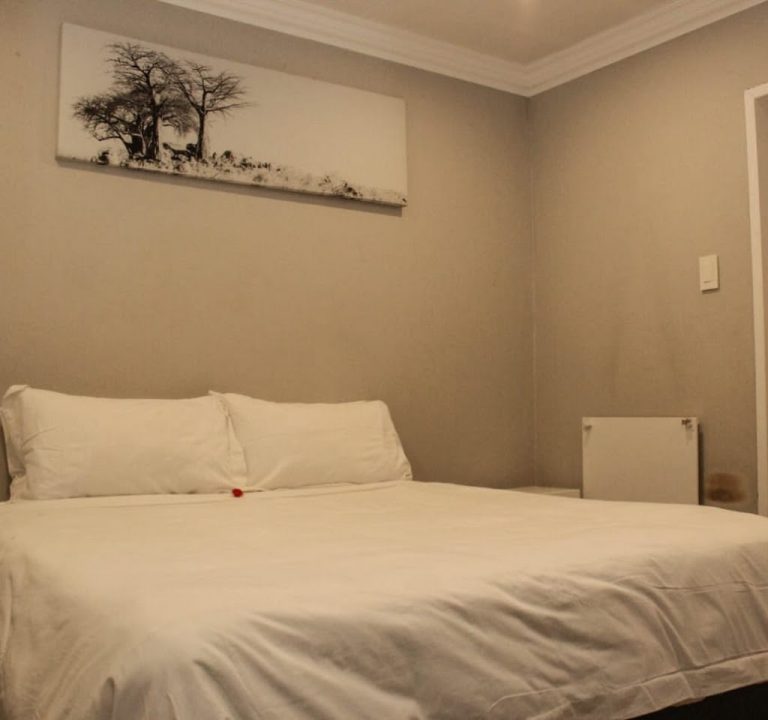
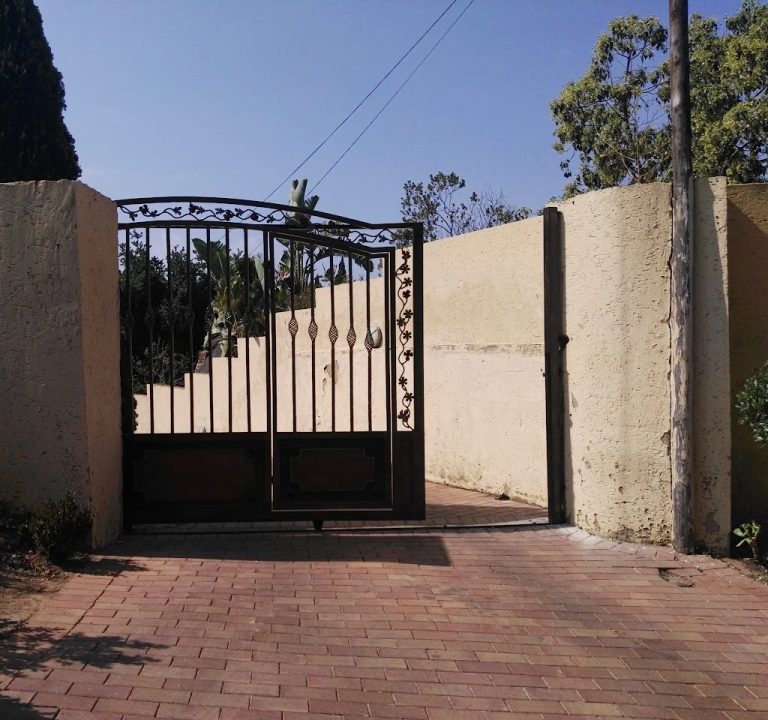
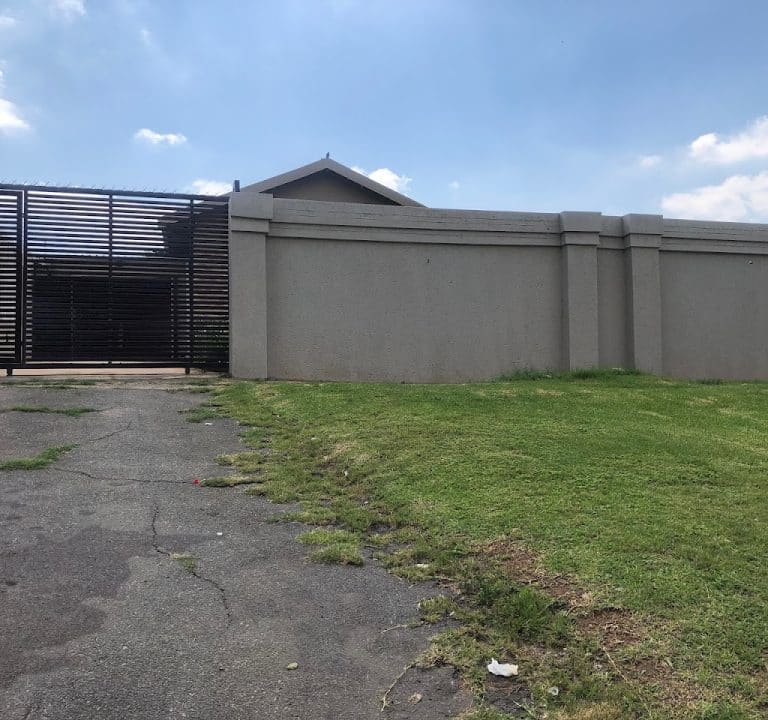
Johannesburg offers a dynamic mix of neighbourhoods, modern hotels, and charming homestays that provide a gateway to the rich culture and history of Gauteng. Whether you seek a stylish city stay, a boutique retreat, or a welcoming homestay, you will find options that suit different tastes and budgets. A good example is Kaleaba House in a Picturesque Setting, a homestay that illustrates how a local, comfortably appointed space can be the heart of a memorable visit. The city is vast, so planning your base carefully matters as much as choosing activities.
Areas to consider when selecting accommodation include central neighbourhoods that are easy to access from the airport and offer a sense of activity, as well as leafy suburbs with calmer streets and safer daytime exploration. In the city centre and surrounding districts you can expect proximity to markets, galleries, cafes, and museums, with convenient access to public transport and ridesharing. Suburban pockets such as Sandton, Rosebank, Parktown, Maboneng, Braamfontein, and Melville each have their own character, from green spaces and boutique shopping to vibrant nightlife and street-food scenes. When booking, think about your itinerary: if you anticipate long museum days or day trips to Soweto, you’ll benefit from a location with straightforward transport links and walkable streets for post-activity meals. For a quieter stay, a hillside or residential enclave can offer a calmer base with easy road access to the urban core.
Typical amenities in a well-rounded Johannesburg stay might include reliable wi‑fi, in-room tea and coffee facilities, a comfortable workspace, secure parking or good public transport access, and breakfast options that reflect local flavours. Some homestays and guesthouses go further with cared-for communal areas, gardens for a morning stroll, and hosts who can point you towards hidden local gems. When booking, look for clear policies on cancellation, pet allowances if relevant, and safety features such as secure entry, adequate lighting, and well-lit neighbourhood routes. If you have specific needs—late arrivals, dietary requirements, or accessibility considerations—state them in advance to avoid any last‑minute complications.
Transport is a key part of planning. Johannesburg’s layout means you will often rely on a combination of rideshare services, taxis, and car hire, with some airlink to regional destinations. The Gautrain network provides efficient rail connections to the airport and to major business hubs, while many districts are best explored on foot or with short rides between cafés, markets, and attractions. When budgeting, factor in travel time between your accommodation and your day’s activities, as some routes can take longer during peak traffic periods. A convenient base near a Gautrain station or in a well‑connected district can save time and reduce stress, especially if you plan day trips or extended shopping itineraries.
The best time to visit Johannesburg depends on what you are seeking. The city enjoys a mild climate most of the year, with a wetter period in late summer and thunderstorms possible in the late afternoons. Winter (April to August) is generally cooler and dry, often comfortable for city wandering and outdoor dining in the evenings. Spring and autumn bring pleasant temperatures for exploring parks and markets. If you are aiming to combine city culture with garden escapes, timing your stay to enjoy both the urban offerings and outdoor scenes can provide a balanced itinerary.
When it comes to attractions, Johannesburg offers a broad spectrum without requiring advanced bookings for many experiences. You can plan visits to major museums, historic sites, and art districts, then enjoy casual dining in neighbourhood eateries or markets that showcase local produce and crafts. For a broader perspective, consider guided neighbourhood walks or curated tours that explain South Africa’s history and development. Soweto, the cradle of protest history, is commonly included in many visitors’ itineraries, often as a day trip that combines culture, storytelling, and insight into urban development. For a more relaxed day, explore the city’s green spaces, such as botanical gardens and experiential plazas, which can be reached with a short ride from central accommodations. The dining scene ranges from contemporary bistros to traditional and fusion eateries, where you can sample regional ingredients and modern takes on South African favourites.
Booking tips at a glance:
- Choose a location with easy access to transport links and walkable routes for your planned days.
- Check safety features, nearby lighting, and access to well‑lit streets after dark.
- Read recent guest reviews for honesty about noise, cleanliness, and host responsiveness.
- Clarify breakfast options, parking availability, and whether hosts can assist with local recommendations.
- Assess cancellation policies and any minimum stay requirements, especially during peak periods.
In short, Johannesburg rewards guests who think ahead about location, transport, and what experiences they wish to curate. A stay in a well‑chosen homestay or guesthouse—such as Kaleaba House in a Picturesque Setting—can offer a comfortable, personalised base from which to explore the city’s diverse districts, its culture, and its culinary scene. Pair your accommodation choice with a flexible itinerary that includes a mix of museums, markets, neighbourhood strolls, and food stops, and you will leave with a deeper sense of what Gauteng has to offer beyond the well‑known highlights.
For planning and practical inspiration, consider checking official tourism sites and reputable travel guides, which can outline current events, seasonal happenings, and safe, enjoyable routes throughout Johannesburg. Online resources and local hosts often provide up-to-date tips on hidden courtyards, local cafés, and short excursions that let you experience the city like a resident—without rushing from one attraction to the next.