Exploring Johannesburg: Where to stay, what to do, and how to plan a great visit
Johannesburg, the vibrant hub of Gauteng, blends urban sophistication with rich cultural heritage. When planning a stay, many travellers weigh neighbourhoods by character, safety, and access to transport. Central districts offer easy access to museums, markets and restaurants, while northern suburbs tend to be calmer with large shopping complexes and leafy streets. For a more authentic experience, consider stays in eclectic zones such as Braamfontein or Maboneng, where boutique hotels and guesthouses buzz with a creative energy. The northern belt around Sandton, Rosebank and Fourways is popular for business travellers and families seeking modern comforts and reliable public transport connections.
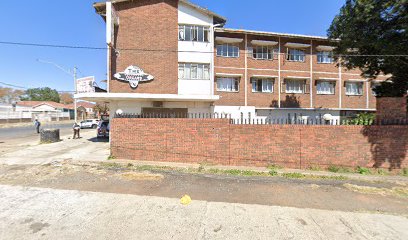
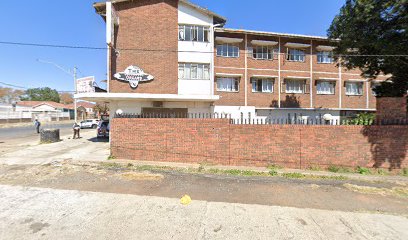
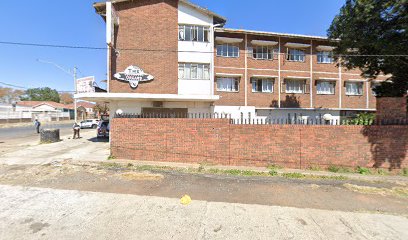
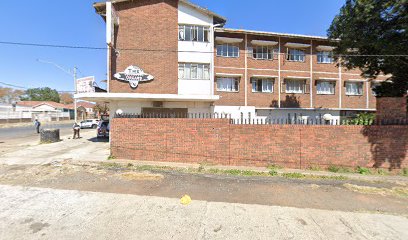
Accommodation options range from stylish hotels and boutique guesthouses to serviced apartments and lodges. In Johannesburg you may find properties that emphasise friendly service, secure parking, generous breakfast offerings and comfortable lounges. If you are planning a longer stay, look for rooms with kitchen facilities or easy access to communal kitchens. For shorter breaks, a well‑located hotel with on‑site dining and easy taxi or rideshare access can save time and reduce daily stress. Forest Hill Hotel, for example, is often cited by visitors as a convenient base in a quieter neighbourhood, with straightforward access to arterial routes and nearby amenities. Always check the proximity to transport hubs, especially if you will be relying on taxis or ridesharing to reach nightlife, museums and markets after dark.
What to look for when booking a stay
- Location and accessibility: proximity to Gautrain stations, major highways, and safe walkable areas.
- Security and parking: on‑site parking, secure access, and well‑lit surroundings.
- Rooms and amenities: comfortable beds, adequate storage, reliable Wi‑Fi, air conditioning or heating, and a good desk if you need to work.
- Dining options: whether breakfast is included, the availability of in‑house dining, and nearby cafés and eateries.
- Transport options: proximity to public transport, easily available taxis or shuttle services, and information on nearby car hire if necessary.
- Cancellation policies: flexible terms are helpful in a city where plans can shift due to weather or events.
- Neighbourhood tone: some areas feel more energetic at night, others are quieter and suited to families or early bedtimes.
Typical amenities in Johannesburg accommodation often include generous breakfast buffets, secure parking or nearby car parks, reliable Wi‑Fi, and guest lounges or rooftop spaces with city views. Some properties offer 24‑hour reception for late arrivals and early check‑ins, which can be a relief if your flight arrives late. Fitness or wellness facilities vary, with many places providing access to pools or spa services nearby. If you are visiting for business, check for workspaces or meeting rooms—these can make a multi‑day stay much more convenient.
Getting around and practical planning tips
Johannesburg is well served by a combination of aeroplanes, trains and road networks. The Gautrain high‑speed rail network is a popular option for travel to Pretoria and the city’s northern and eastern suburbs, while local taxis and rideshare services offer flexible door‑to‑door transport. When planning day trips, it helps to map out a logical route to minimise backtracking; many travellers begin with central museums and markets, then branch out to neighbourhoods with strong dining scenes and street art.
Best time to visit and what to expect weatherwise
Johannesburg enjoys a mild climate with most rain showers occurring in the summer months. Spring and autumn bring pleasant temperatures for outdoor exploration, while summer can be hot with the chance of thunderstorms, and winter is typically cooler, especially in the early mornings and evenings. If you plan outdoor visits to parks or markets, early mornings or late afternoons are often the most comfortable. Hail and thunderbolts can occur during the wet season, so packing a light waterproof layer is sensible year‑round practice.
Attractions and experiences (general, without vendor claims)
Visitors to Johannesburg typically combine visits to major history museums, cultural precincts, and open markets with strolls through lively urban districts. You can expect thoughts-provoking exhibitions, archival displays, and opportunities to learn about South Africa’s complex past and dynamic present. For a balanced itinerary, consider pairing indoor museum experiences with outdoor urban explorations, such as street art tours and markets that showcase local crafts and culinary flavours. Afternoon coffee stops and casual eateries in popular neighbourhoods provide a sense of daily life beyond the well‑trodden tourist paths. For those who enjoy shopping and dining, several districts offer a mix of modern retail centres, independent boutiques and a broad range of eateries to suit different budgets and palates.
Restaurants and dining scenes
Across Johannesburg you will find a spectrum of dining options—from modern casual cafés to refined restaurants. Many establishments celebrate local flavours, ingredients, and internationally inspired menus. It is common to encounter vibrant eateries near cultural hubs, offering contemporary dishes alongside traditional favourites. When planning meals, look for places that are walkable from your accommodation or a short rideshare ride away, making it easy to return to your base after an evening out.
Practical tips for a smooth stay
- Bring a small adaptor for South African sockets and a portable power bank for days spent exploring.
- Reserve accommodation with reliable security and a clear check‑in process; keep a copy of your booking confirmation handy.
- Use licensed transport options, especially at night, and avoid unregulated street hails in unfamiliar areas.
- Check the cancellation terms and whether breakfast or other inclusions are offered in the rate you choose.
- Be prepared for possible traffic delays when planning day trips, and leave a little extra time for popular attractions.
For more inspiration and practical planning, you can explore official tourism resources for Johannesburg and Gauteng, which offer updated information on attractions, neighbourhood guides and transport options. These can help you tailor a stay to your interests and maximise your time in this dynamic city.
Website resources: City of Johannesburg official site and Joburg Tourism.