Johannesburg: Accommodation, neighbourhoods, and how to plan a stay in Gauteng
Johannesburg, often just called Jo’burg or Jozi, is a dynamic gateway to South Africa’s Gauteng province. A stay here can mix stylish lodges with vibrant urban culture, world-class dining, and a gateway to South Africa’s historic sites. When planning where to stay, think about accessibility to transport, safety, and the kind of experience you want—from chic city vibes to leafy residential calm.
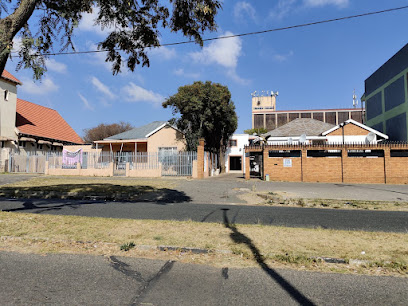
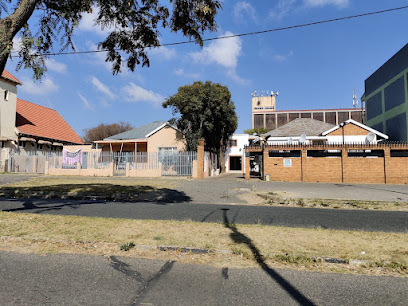
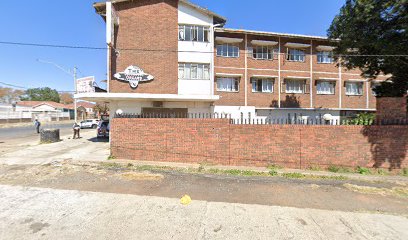
Accommodation in Johannesburg ranges from boutique lodges and well-appointed guesthouses to modern hotels and contemporary apartments. A notable example is Mira Lodge – Home Away, a lodge that offers a cosy base with easy access to the city’s centres and attractions. For guests seeking a more central, business-banking-orientated stay, modern hotels in Sandton or the city centre can provide rapid connections to business districts and shopping. If you favour a more artistic or culturally rich atmosphere, consider options in Maboneng, Braamfontein, or Newtown, where creative spaces and cafés sit alongside heritage architecture. Surfacing around these zones is often a good strategy for short breaks, as they tend to be well-served by public transport and offer walkable eateries and bars.
Areas to consider
- Sandton: Excellent for shopping, business travellers, and easy highway access.
- Rosebank: A cosmopolitan hub with markets, galleries, and convenient Gautrain connections.
- Maboneng and Braamfontein: Creative energy, live music, cafés, and a walkable city centre vibe.
- Newtown and the city centre: Cultural venues, museums, and a growing food scene.
- Soweto: Rich history and guided experiences outside the central city, ideal for day trips.
What to look for when booking
Consider the following when choosing your accommodation:
- Transport links: Proximity to Gautrain stations, main roads, and safe pedestrian routes.
- Safety and neighbourhood character: Research current tips from guides and guest reviews, and choose lodgings with secure access.
- Amenities: Free Wi‑Fi, on-site parking, self-catering facilities, and a reliable concierge or front desk service.
- Breakfast and dining options: Some lodges and guesthouses offer included meals or nearby eateries within easy walking distance.
- Departure and check-in logistics: Flexibility on check-in times and clear guidance on how to reach the property after dark can ease travel plans.
Typical amenities you may encounter
- Comfortable rooms with en-suite bathrooms and fresh linen.
- Air conditioning or fans, heating for cooler nights, and good natural light.
- Secure parking, 24‑hour reception or staff on duty, and daily housekeeping.
- Kitchen facilities or access to a shared kitchenette in guesthouses.
- Restaurant or barbecue facilities, communal lounges, and scenic outdoor spaces.
Transport and getting around
Johannesburg spans a large metropolitan area, so plan your transport in advance. Within central zones, taxis and rideshare services are widely available. The Gautrain network connects Johannesburg to Pretoria and the OR Tambo International Airport, making day trips convenient for visitors who want to explore beyond the city. If you prefer independence, staying in a property with on-site parking or easy access to major bus routes can save you time. Walking is pleasant in safer, well-lit neighbourhoods during the day, but travellers should exercise caution at night and stick to familiar routes.
Best time to visit
Johannesburg offers year-round appeal, with a mild spring and autumn climate and summer thunderstorms. If you are seeking outdoor activities and markets, late spring and early autumn provide comfortable conditions. Peak business periods and major events can raise accommodation costs, so booking in advance is advisable during those times. For those interested in cultural experiences, aligning a visit with open art spaces or markets can enhance the stay.
Experiences and dining, in general terms
Beyond the accommodation, Jo’burg presents a varied palette of experiences. Cultural museums and heritage sites offer insights into South Africa’s past and present, while contemporary galleries and street art tours reveal the city’s creative energy. Food and drink scenes range from traditional South African eateries to modern, cosmopolitan restaurants with diverse menus. Day trips to nearby Soweto or to historical locations can provide meaningful context to the city’s evolution. When selecting restaurants, look for places that reflect a sense of place—markets, casual bistros, and diners provide balance to more formal dining.
Practical tips for a smooth stay
- Plan a day-by-day itinerary that balances indoor activities with outdoor time, allowing for flexible evenings in lively neighbourhoods.
- Keep digital copies of bookings and directions; having addresses linked to maps helps with quick navigation.
- Check the property’s security features, recommended late-evening routes, and local emergency numbers.
- Explore a mix of neighbourhoods to experience the city’s contrasts—from high-street shopping to local markets and street food.
For more information about accommodation in Johannesburg and for options that mix comfort with easy access to city highlights, you can visit the property pages that suit your plans, including Mira Lodge – Home Away, which provides a convenient base for many visitors. A well-planned stay in Johannesburg can set the tone for an enriching Gauteng visit, with a blend of relaxation, culture, and urban discovery.