Exploring Johannesburg: Where to Stay, What to See and How to Plan Your Trip
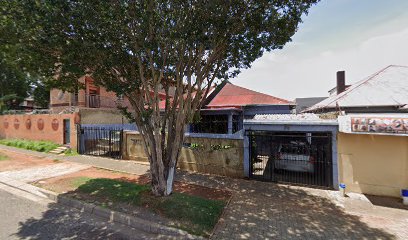
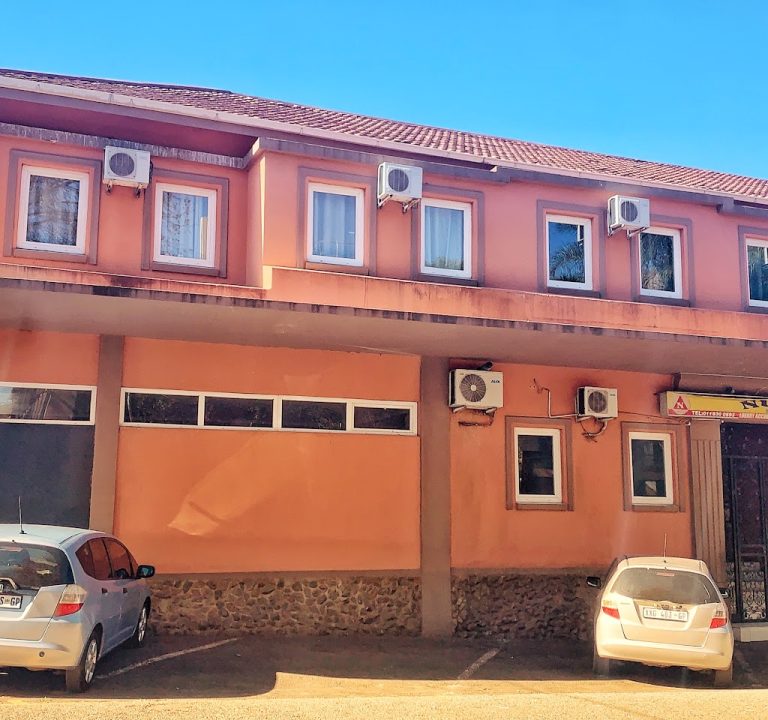
Johannesburg, or "Jo’burg" as it is affectionately known, offers a vibrant mix of urban culture, cultural institutions, world-class cuisine and easy access to nature reserves and wildlife. When planning a stay in Gauteng’s largest city, think about geometry of commuting, safety considerations and the balance between accommodation character and practical comforts. A mid-range option such as the Bilal guest house can provide a friendly, centrally located base while you explore the city’s diverse neighbourhoods and attractions.
Accommodation in Johannesburg ranges from boutique guest houses and modern hotels to serviced apartments and larger lodges. Choosing a neighbourhood matters: each area has its own rhythm, dining scenes and access points to transport. For a first visit, you might consider clusters around the central business district, Rosebank, Sandton, or Melville, each offering different vibes—from business-ready convenience to bohemian cafés and live music. If you prefer a quieter retreat with green space nearby, northern suburbs such as Hyde Park or Bryanston also offer tasteful lodging within easy reach of the city’s highlights.
When you book, look for a few practical amenities. Reliable on-site Wi‑Fi is essential for planning day trips and staying connected. An adequate breakfast option can help you start early, especially if you intend to maximise time at museums, markets and viewpoints. A comfortable en-suite bathroom, climate control, and a secure lock system are worth prioritising, particularly if you’ll be out after dark exploring the city’s diverse dining scenes and night markets. If public transport is part of your plan, proximity to a taxi stand, Uber pickup point, or a Gautrain station can save time and reduce reliance on private car hires.
Transport around Johannesburg is efficient when you know how you’ll move between boroughs and attractions. The Gautrain network connects key hubs to Pretoria and OR Tambo International Airport with modern rail links, while Uber, Bolt and traditional taxis offer flexible options for short hops within the city. Public buses and commuter services cover popular corridors, but peak-hour traffic can slow progress in central zones. It’s sensible to tailor plans to the city’s rhythm: mornings for museums and markets, afternoons for shopping and parks, and evenings for dining districts with lively street life.
Best time to visit Johannesburg is generally mild year-round, with a subtropical highland climate. The hot, wetter months run roughly from November to March, which can bring afternoon thunderstorms. Winter (June to August) is cool and dry, often a good time to visit if you prefer clear days and comfortable temperatures for outdoor strolls. Shoulder seasons can offer lighter crowds and good value in accommodation, though room rates may vary depending on local events and exhibitions. If you’re planning a longer break, consider aligning your stay with cultural festivals and markets held across various neighbourhoods, or with wildlife trips to the nearby natural reserves that are easily reachable by road from the city core.
Typical activities and experiences you’ll encounter include exploring modern galleries and historic museums, visiting vibrant markets for crafts and fresh produce, and enjoying high-quality restaurants offering a mix of traditional South African fare and global cuisine. Many visitor-focused districts have a friendly, walkable character, with streetscapes that invite casual strolls between cafés, bookstores and small galleries. When planning meals, you’ll find a spectrum from casual bistros and neighbourhood eateries to fine-dining venues, with a growing emphasis on South African wines and locally sourced ingredients. It’s wise to book dining in advance for popular spots, particularly on weekends or during festival periods.
Accommodations throughout Johannesburg often feature practical touches that enhance ease of travel. Expect comfortable bedding, daily housekeeping, and sometimes self-catering facilities or kitchenettes. Reception desks can offer local tips about safe routes to attractions, recommended travel times, and suggestions for themed neighbourhood walks. If you’re staying in a guest house or a boutique hotel, you may also find a small on-site café, common lounges, or curated minibars with regional specialties. In such settings, staff can be a valuable resource for planning day-long itineraries that balance culture, shopping and nature.
To help you structure a balanced stay, consider this quick planning checklist:
- Identify 2–3 core neighbourhoods you want to explore and base an overnight in each if your itinerary allows.
- Choose accommodation with easy access to public transport or predictable taxi options in the evenings.
- Allocate time for a mix of cultural visits, nature experiences and food-focused excursions.
- Check reviews for noise levels, cleanliness, and responsiveness of hosts or staff.
- Plan for weather: pack a light rain layer for summer thunderstorms and a warm layer for winter evenings.
For more ideas on places to visit and how to plan your stay, you can consult Johannesburg’s tourism resources and official visitor guides. These sources offer practical guidance on routes, seasonal events, and safe neighbourhoods to visit during your stay. Always prioritise personal safety, keep valuables secure, and travel with reputable transport options, especially at night. With thoughtful planning, Johannesburg can be a dynamic, welcoming hub from which to explore Gauteng’s urban culture and its natural beauty.
To begin planning your trip, consider browsing general accommodation options and guest houses in Johannesburg, and visit trusted tourism pages for up-to-date information on areas to consider, transport options and current visitor recommendations. More details and inspiration are available at https://www.joburgtourism.co.za.