Accommodating Johannesburg: Where to stay, what to expect, and how to plan your visit
Johannesburg, often simply called Jo’burg or Jozi, offers a diverse mix of accommodation styles, from intimate guest houses to modern hotels and characterful boutique stays. For visitors seeking a traveller‑friendly base, the city’s wide range of neighbourhoods provides distinct atmospheres—from creative hubs and leafy residential districts to business precincts and cultural enclaves. A well‑planned stay can balance comfort, safety and easy access to attractions and dining.
When choosing where to stay, consider the character of the area and how you’ll move around. Braamfontein and nearby Maboneng are known for their arts, cafés and vibrant street life, making them ideal for guests who enjoy walking and people‑watching. Rosebank offers a more residential feel with access to shopping centres and the Gautrain for quick connections to the airport and other city pockets. Sandton is a business and upscale shopping hub with excellent conference facilities, while Melville and Parkhurst provide a laid‑back, bohemian vibe with plenty of eateries. For families or groups seeking calmer nights, southern suburbs and garden‑city guest houses can offer quieter streets and easier parking.
Typical amenities to look for when booking include secure parking, reliable Wi‑Fi, a well‑equipped kitchen or breakfast service, laundry facilities, and responsive hosts or reception teams. Many guest houses and boutique hotels in Johannesburg emphasise warm, personalised service, with helpful local recommendations. If you are travelling by car, check whether the property offers on‑site parking, and if not, whether safe street parking is available. For explorers using public transport, proximity to a metro station, tram or bus routes, or an easy ride from the Gautrain link, can save time and stress.
Transport in Johannesburg is convenient but can be busy. The Gautrain provides fast connections between the city and OR Tambo International Airport as well as Gauteng suburbs, while car hire remains a practical option for visiting multiple areas in a day. Some guest houses arrange airport or station transfers on request. If you plan to explore beyond central Johannesburg, a modestly priced vehicle or guided day trips can help you reach the historical sites and townships with ease. Always verify taxi or ride‑hailing safety features and local guidance before heading out in the evening.
The best time to visit Johannesburg tends to be from late autumn to spring (April to September) when the days are generally mild and the weather is reliable for outdoor activities. Summers can be warm and expect occasional thunderstorms, which are best planned around if you intend to spend long days outdoors. If you are visiting for events or exhibitions, check the municipal calendar and the respective venues well in advance to align your stay with opening hours and peak periods.
When it comes to experiences, Johannesburg can be approached on several levels. History and culture seekers can explore museums, heritage sites and guided township experiences that offer context and a human perspective on South Africa’s past. For families and groups, city parks, open markets and creative districts provide spaces to wander, shop and sample local flavours. Food lovers can expect a range of dining options from casual bistros to refined eateries, offering dishes that reflect the city’s diverse populations. While exact venues and prices may vary, most districts provide a mix of coffee corners, casual eateries and sit‑down restaurants suitable for different budgets and occasions.
Practical planning tips to help you enjoy a smooth stay:
- Read recent guest reviews to gauge safety, cleanliness and host responsiveness.
- Consider a modestly central base to minimise long transfers between your hotel, attractions and dining spots.
- Confirm what is included in breakfast or room service, and whether self‑catering facilities are available if you prefer to cook.
- Check cancellation terms and policies, especially if your plans may shift with weather or events.
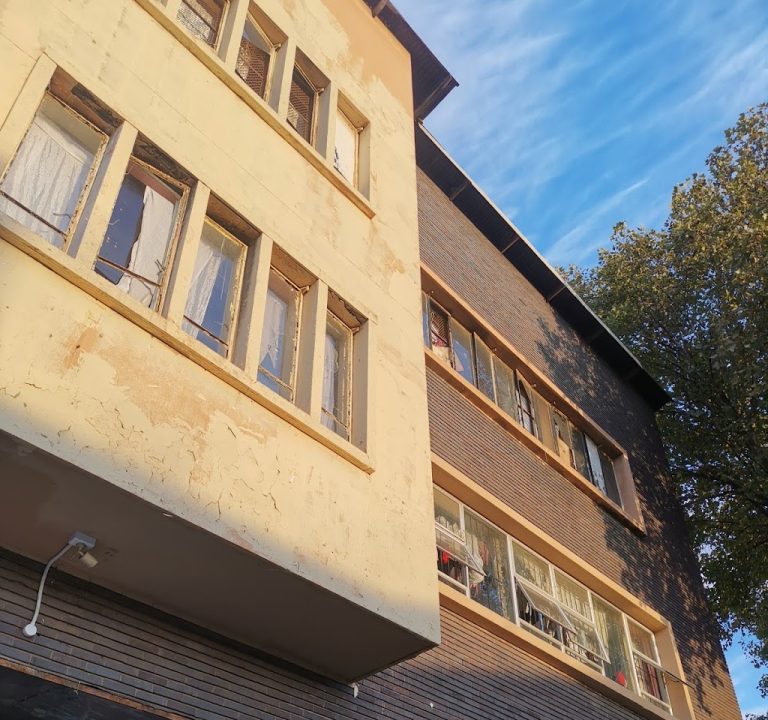
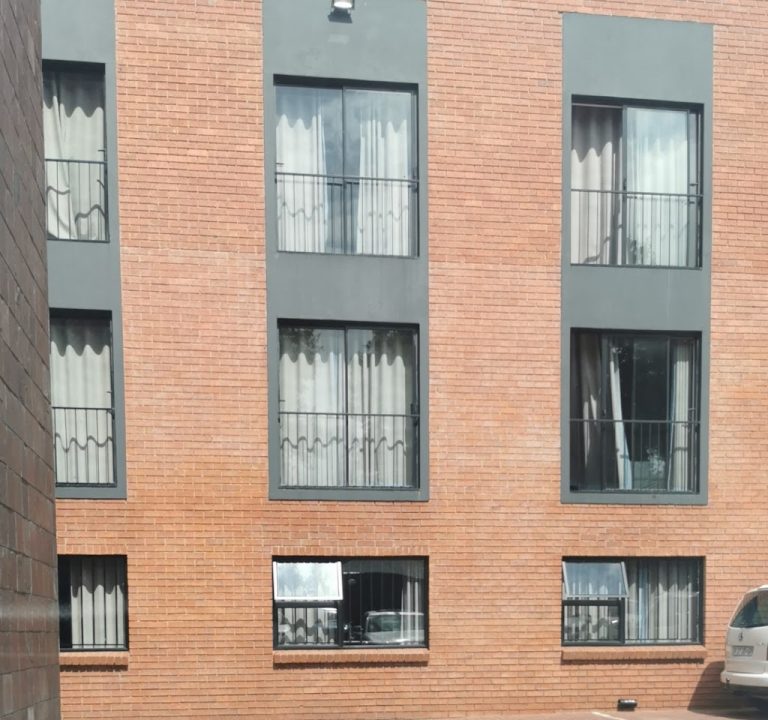
Accommodation options in Johannesburg range from guest houses with intimate, home‑like atmospheres to contemporary hotels offering business facilities and spa services. A guest house in a well‑positioned area can feel like a friendly home base, with a host who can suggest day trips, markets and local eateries. For a more self‑contained stay, serviced apartments or boutique hotels can provide a blend of privacy and convenience, with kitchen facilities and sometimes laundry services, ideal for longer visits.
When planning, think about your priorities: is proximity to cultural districts more important than easy access to shopping, or would you prefer a quieter residential area with garden spaces? Website pages for individual accommodations typically outline what makes each property unique, including design style, room configurations, and any extras such as guided tours, cooking classes or on‑site bars and lounges. If you are researching places to stay, reputable travel sites and official tourism resources can help you compare options and read verified reviews before booking.
For those wanting a broader taste of Johannesburg, consider a light itinerary that pairs a couple of key landmarks with a stroll through nearby neighbourhoods known for street art, cafés and markets. After a day of sightseeing, a relaxed dinner in a local precinct can be followed by a visit to a rooftop bar or a late‑opening gallery space. Practical planning, a flexible mindset and a comfortable base will help you make the most of your Johannesburg stay.