Accommodation and experiences in Johannesburg, Gauteng
Johannesburg, or Jo’burg as many locals say, offers a vibrant mix of accommodation styles to suit every traveller’s taste and budget. From stylish boutique hotels and contemporary apartments to well-appointed guesthouses and larger conference hotels, the city provides options across distinctive neighbourhoods, each with its own character and access to the highlights of Gauteng.
When planning a stay, consider what you want to experience most. If you crave culture and a lively urban scene, you may prefer central districts such as the city centre or Braamfontein, where heritage buildings house modern lounges, galleries and eateries. For a calmer environment with easy access to parks and shopping, Rosebank and Sandton are popular. Soweto offers deep history, guided tours and a sense of living culture, while Maboneng and Newtown provide a creative hub atmosphere with street art and markets. Choosing the right area will influence not only your daily routine but also the overall pace of your trip.
Booking considerations to help you plan a comfortable stay include room layout, security and access, complimentary amenities, and transport convenience. Look for options with secure 24-hour reception if you arrive late, reliable in-room Wi‑Fi, and a practical work desk if you need to catch up on travel plans. Breakfast inclusion can save time in the mornings, while on-site dining or easy access to simple cafés makes evenings relaxed after a day of exploration. In Johannesburg, a balanced mix of quiet rooms and accessible common areas can enhance your stay, especially when you’re hopping between museums, markets, and markets-turned-food-halls.
Facilities and typical amenities you might encounter include comfortable en-suite bathrooms, air conditioning or ceiling fans for seasonal comfort, guest parking, and gym or wellness spaces. Some properties also offer business facilities, such as meeting rooms or small event spaces, which can be convenient for longer stays or groups. If you plan to self-cater, look for self-catering apartments or suites with a kitchenette. It’s also worth noting accessibility features if they are important for you or your travel party.
Transport in Johannesburg is well supported by a combination of Uber/bolt services, organised airport shuttles, and rental cars. Many accommodation blocks provide easy access to major roads and city arteries, while some districts have ride-share pickup zones close to key hotels and guesthouses. If you plan day trips beyond the city, check whether your accommodation can assist with trusted tours or can arrange airport transfers. Proximity to Gautrain stations can be a real time-saver for travel across the wider Gauteng region and into neighbouring provinces.
Best time to visit Johannesburg is driven by what you want from the trip. The city enjoys a temperate climate with warm summers and mild winters. If you’re aiming for outdoor experiences, the dry winter months are pleasant for safaris in nearby reserves or simply enjoying city parks and outdoor markets. For cultural events and lively urban scenes, the spring and autumn periods often bring a balanced mix of sunshine and festivals. It’s wise to check local calendars for events and neighbourhood markets when you’re planning your stay, as some periods can be busier and require earlier booking.
Practical tips to make your stay smoother include planning a flexible itinerary that balances indoor and outdoor activities, particularly if you’re visiting during peak tourist periods or school holidays. Engage with locals or hotel concierges to discover contemporary dining options, street-food hubs, and family-friendly attractions beyond the headline sights. Having a rough plan for mornings, afternoons, and evenings helps you maximise experiences while leaving room for spontaneous discoveries.
Around accommodation, you’ll find a broad range of attractions that appeal to different interests. Historical and cultural sites offer insights into Johannesburg’s complex past and present. Art districts, markets, and design studios provide creative perspectives on the city’s vitality. For family travellers, hands-on experiences at science or heritage centres can be engaging, while casual strolls in vibrant neighbourhoods reveal artisanal shops and local eateries. Restaurants in Johannesburg run the gamut from traditional South African fare to international cuisine, with many venues focusing on fresh ingredients and seasonal menus. It’s common for eateries to offer both casual dining and more refined options, so you can tailor your plan to your energy level and budget.
- Transport: utilise ride-hailing apps, check for parking availability, and consider proximity to a Gautrain station for broader travel.
- Planning: balance cultural days with downtime; reserve popular attractions or guided tours in advance if possible.
- Dining: explore a mix of casual bakeries and evening dining spots to capture the city’s flavour range.
- Accommodation features: prioritise secure access, reliable Wi‑Fi, comfortable beds, and convenient on-site facilities.
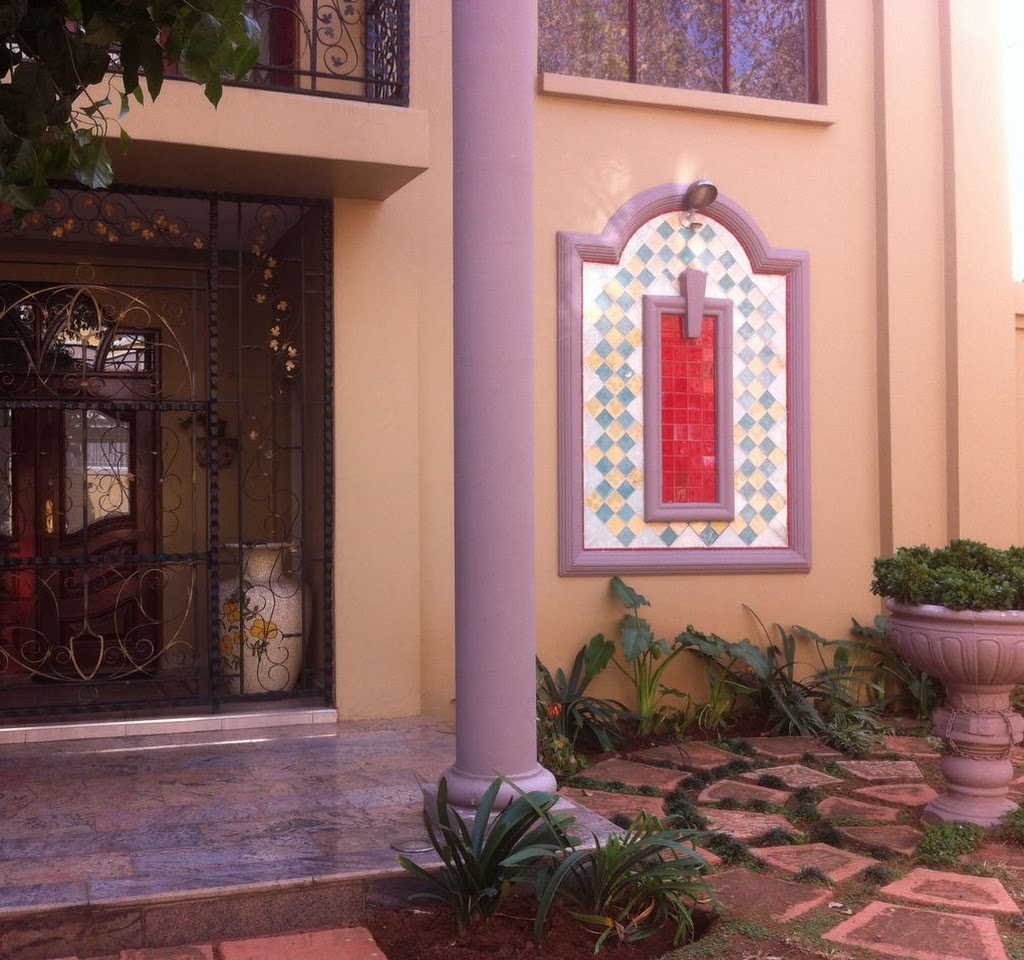
For travellers seeking a refined stay with a boutique sensibility, consider lodging options that blend style with hospitality. The Tuscan Mayfair, for example, represents one such approach in the city’s accommodation landscape, offering thoughtfully designed spaces that cater to guests who value comfort, service, and location. When evaluating options, read recent guest reviews to gauge consistency in service, and verify cancellation policies and any seasonal pricing notes. With thoughtful preparation, Johannesburg can be a richly rewarding destination, delivering a diverse mix of modern amenities, dynamic neighbourhoods, and engaging experiences that suit a wide range of travellers.