Johannesburg: Where to Stay, Eat and Explore
Johannesburg, a dynamic gateway to South Africa’s riches of culture, history and modern life, offers a wide range of accommodation to suit all travellers. Whether you’re after a stylish boutique stay in a revamped neighbourhood, a cosy guesthouse tucked into a leafy suburb, or a modern hotel with business-friendly facilities, you’ll find options that place you within easy reach of the city’s thrills and quiet corners alike. A good starting point for planning is to think about what you want from your base: proximity to transport, a neighbourhood with character, or a calmer retreat after busy days out exploring.
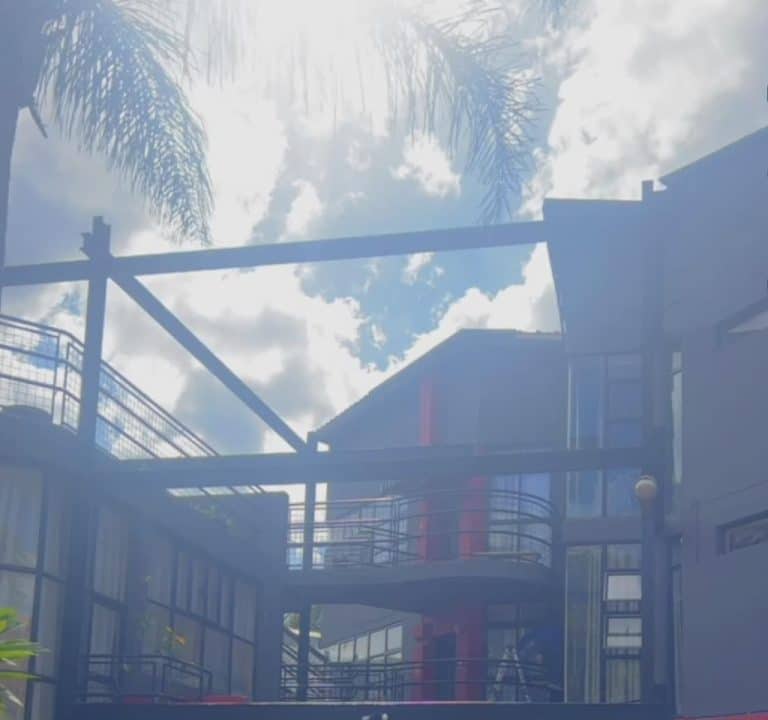
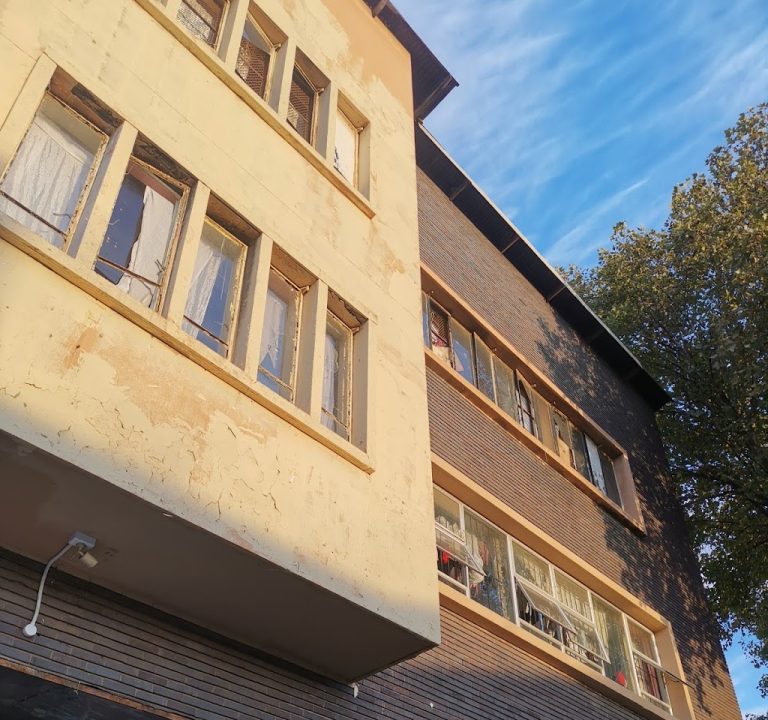
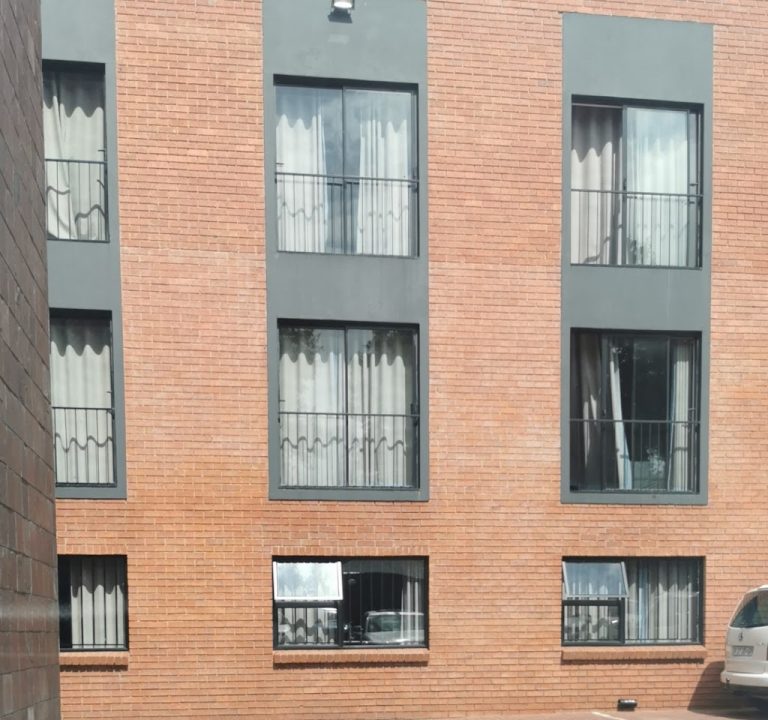
One popular approach is to base yourself in a few distinct areas during your stay. Sandton is well suited to travellers seeking convenience, excellent shopping, and easy access to major transport links; it’s a hub for business as well as leisure. For a more vibrant, cultural vibe, consider staying in Braamfontein or Maboneng, where converted lofts and guesthouses sit beside street art, markets and excellent modern dining. Rosebank offers a balance of stylish stays, parks, and a lighter, more relaxed pace, while Melville provides a bohemian atmosphere with intimate eateries and music venues. A well-regarded option such as the ainushamsi guesthouse can embody a friendly, home-from-home feel in a residential setting, giving you a sense of daily life beyond hotel corridors.
When you’re choosing accommodation, think about a few practical factors. Size and layout matter if you’re travelling with family or a group, and the availability of self-catering facilities can be a major perk for longer trips. A guesthouse or boutique hotel may provide a more intimate, personalised experience, while a larger hotel might offer more on-site services such as reception, tours, or business facilities. Look for inclusive or flexible pricing that covers breakfast, parking, or airport transfers, and check reviews for notes on warmth of staff, cleanliness, and noise levels, especially if you’re staying in a busy district.
Typical amenities worth seeking include reliable wi‑fi, secure parking or easy access to public transport, a comfortable workspace if you need to work, and thoughtful touches such as filtered water stations, laundry facilities, or a communal kitchen. If you’re visiting during the city’s warmer months, a shaded outdoor area or a pool can be a real plus. For travellers exploring by rail or on a tight schedule, proximity to a major transport hub or a reputable taxi or ride-sharing option can save valuable time. When you book, confirm what time meals are served, how late reception is open, and whether late check-in can be arranged if your flights arrive after hours.
Transport in Johannesburg is a key planning consideration. The city has a number of modes of travel, from car hire and rideshares to reputable bus routes and commuter rail. If you’re staying in central or northern districts, you’ll benefit from being near main arterials and frequent public transit, which makes day trips to attractions easier and more affordable. If you’re renting a car, ensure your accommodation has secure parking and consider the practicality of navigating busy streets and traffic during peak times. For longer stays, a stay with easy access to a rail line or metro link can make exploring the broader Gauteng region much smoother.
The best time to visit Johannesburg is typically during the spring and autumn months, when temperatures are mild and outdoor activities are comfortable. The city’s climate is generally warm and sunny, with summer showers often occurring in the late afternoons. Plan ahead for the possibility of quick weather changes, especially if your itinerary includes parks, viewpoints, or walking tours. If your trip aligns with public holidays or school holidays, you may encounter larger crowds in popular districts, so booking early is prudent.
Attractions and experiences in and around Johannesburg run the gamut from history and culture to markets, nature and vibrant dining scenes. In the inner city and surrounding districts, you’ll find museums and exhibitions that trace South Africa’s complex past, alongside galleries and street art that showcase contemporary urban culture. If you enjoy markets and local cuisine, plan visits to areas where street food, cafés and small eateries thrive, offering a taste of modern Johannesburg alongside traditional favourites. For a contrast to city life, day trips to nearby nature reserves or viewpoints provide refreshing breaks and photo opportunities. Dining ranges from contemporary bistros to casual eateries serving hearty, shared plates—aim to sample a mix of cuisines and locally sourced ingredients where possible, and reserve tables when you have set plans to ensure you’re not disappointed on busy evenings.
To make the most of your stay, here are a few practical tips. Book accommodation with clear cancellation policies and confirm what is included in the rate. Read recent guest reviews for candid insights into comfort, sleep quality and the responsiveness of staff. When you arrive, have a loose plan for two or three areas you want to explore, but leave room for serendipity—Johannesburg rewards curious travellers with unexpected discoveries, from a friendly neighbourhood café to a quiet street market. If you’re visiting for business or conferences, ensure your base offers a smooth route to venues and reliable connectivity. And finally, respect local customs and safety guidelines, taking sensible precautions in public spaces, especially when exploring new areas after dark. With a thoughtful approach to where you stay and how you move around, your Johannesburg visit can be both convenient and enriching, letting you soak up the city’s energy and hospitality at your own pace.