Johannesburg: accommodation, attractions and practical planning tips
Johannesburg, or Jo’burg as locals often say, offers a lively mix of neighbourhoods, cultural scenes and easy access to surrounding regions. When planning a stay, consider areas that align with what you want to experience: urban culture and nightlife in central districts, leafy tranquillity and luxury in northern suburbs, or broader city access with more affordable options in several midtown and inner-city neighbourhoods.
Central Johannesburg and the northern suburbs are popular bases for visitors who want convenient access to a range of sights and dining. The inner-city area provides a pulse of creative energy, historic architecture and easy transport connections, while areas such as Sandton and Rosebank offer more modern hotels, malls and business facilities. For a different flavour, you might choose neighbourhoods known for boutique stays, rooftop bars and street art, where you can stroll to markets, cafés and galleries. When selecting accommodation, think about proximity to the things you plan to do, as Johannesburg’s traffic can be unpredictable and public transport routes vary in coverage by time of day.
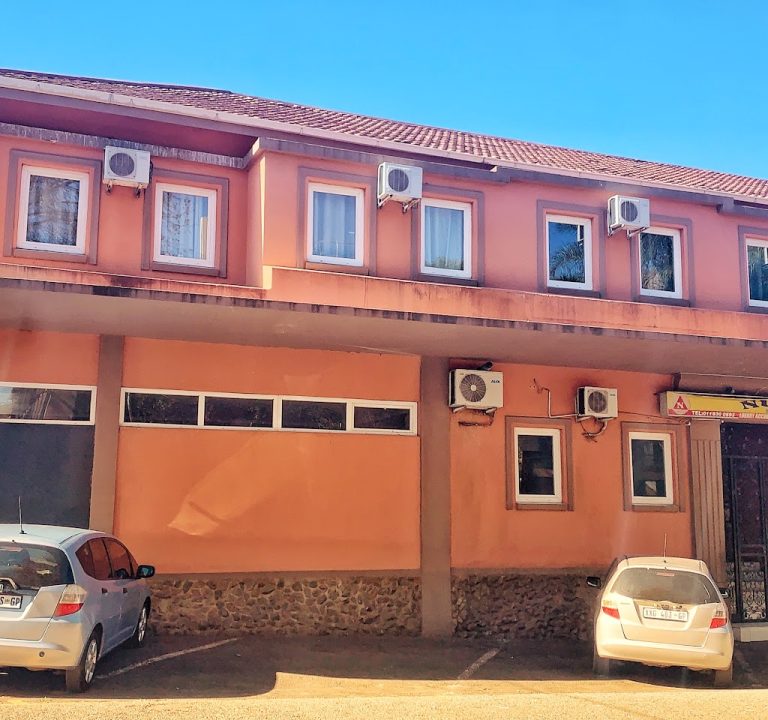
Typical accommodation choices range from contemporary hotels and serviced apartments to guesthouses and boutique lodges. Many properties offer a blend of comfort and accessibility, with features such as on-site dining, secure parking, 24-hour reception, and helpful front-of-house staff who can assist with planning day trips. If you prefer a more personalised stay, guesthouses and boutique lodges often provide a homely atmosphere, with breakfast options and local tips from hosts who know the city well.
Common amenities to look for when booking include reliable air conditioning or heating, especially given Johannesburg’s variable climate, as well as free Wi-Fi, tea and coffee facilities, and decent leisure facilities such as a pool or a small gym. A well-equipped kitchen or kitchenette in serviced apartments can be convenient for longer stays. Check whether the property offers a shuttle service or easy access to popular transit routes, as this can save time when you want to explore beyond the immediate neighbourhood.
Transport options in Johannesburg are diverse. If you plan to stay near major commercial or cultural hubs, you may rely on rideshare services and short taxi trips. For more independent exploration, a car can be convenient, though you should factor in parking availability and safety in certain areas. Some visitors use a combination approach: a centrally located base for day-to-day activities with the occasional day trip arranged through a reputable operator. For access to the airport, consider properties near major arterial roads or with straightforward transfer routes, as peak travel times can be busy.
The best time to visit Johannesburg depends on interests and weather. Spring (September to November) brings pleasant temperatures, while autumn (March to May) offers cooler days with clear skies. Summer can be warm and occasionally rainy, with lush landscapes in surrounding parks and nature reserves. If you plan outdoor activities or want to attend seasonal events, consider shoulder seasons for comfortable conditions and potentially better value on accommodation. In winter (June to August), the days are cool but often sunny, which can make sightseeing enjoyable during daylight hours.
To plan a balanced stay, think about combining culture, history, and food experiences with convenient rest periods. A sample day might begin with a relaxed breakfast at your accommodation, followed by a city-centre stroll or a guided neighbourhood walk to understand the architecture and street life. Midday could feature a museum or gallery visit, paired with a light lunch at a local café or food market. In the afternoon, you might explore a distinct district, such as a district with street art or markets, before returning to your base to refresh. Evenings can be spent discovering a neighbourhood’s dining scene, from modern casual eateries to refined restaurants, and perhaps catching a live music performance or theatre show if available.
When it comes to planning and bookings, a few practical tips help ensure a smoother stay. Book in advance for peak travellers periods or major events, and read recent guest reviews focusing on cleanliness, staff responsiveness, and consistency of services. Look for properties that clearly describe accessibility options, safety features, and neighbourhood maps or local tips. Some guests appreciate properties with flexible cancellation policies, which can provide reassurance if travel plans shift. If you have particular interests—such as wine routes nearby, urban art tours, or guided food experiences—check whether your accommodation can arrange or recommend trusted operators.
Nearby attractions and dining experiences span world-class museums, historic sites, public parks, and diverse eateries. Visitors commonly enjoy learning about the city’s pivotal role in history, sample a range of contemporary cuisine, and explore vibrant markets and busy cultural hubs. In terms of dining, Johannesburg offers a spectrum from casual cafés and bistros to refined restaurants focusing on chef-driven menus and regional flavours. For planning, you can look to reputable travel guides or city tourism resources for general guidance on routes, hours, and what to expect, while remaining open to spontaneous discoveries in local streets and neighbourhoods.
- Choose a base that minimises long transfers if you plan full days of sightseeing.
- Balance urban sightseeing with downtime at parks or cafés to avoid fatigue.
- Check for on-site dining options or nearby eateries to maximise convenience.
- Ask hosts or hotel staff for current safety tips and efficient transport routes.
Johannesburg is a city of contrasts, where modern shopping and dining sit alongside historic sites and a thriving arts scene. With thoughtful selection of accommodation, careful planning of transport, and a flexible itinerary, a stay in Gauteng’s vibrant gateway can be both comfortable and deeply rewarding. For further inspiration, you can explore official tourism pages or trusted travel guides to tailor your visit to your interests, keeping in mind that the best experiences often come from locals’ recommendations and a willingness to wander the city’s varied streets.