Staying in Cape Town: Accommodation, Attractions and Practical Planning
Cape Town blends dramatic scenery with a cosmopolitan mix of neighbourhoods, making it possible to tailor a stay to almost any travel style. From the waterfront’s modern hotels to quiet coastal guesthouses and hillside lodges with sweeping views, the city offers a spectrum of options for short breaks, family holidays or longer explorations. When planning your stay, think about how you want to move around, which views you want to wake up to, and how close you wish to be to the city’s iconic sights, beaches and dining scene.
Areas to consider include the V&A Waterfront and the central city for convenience and a lively urban feel, the historic Bo-Kaap and De Waterkant for colourful streets and easy access to dining and nightlife, and the Atlantic Seaboard—encompassing Camps Bay, Bantry Bay and Clifton—for dramatic sea views and wind-swept beaches. For a more relaxed, leafy vibe, Constantia and the southern suburbs offer easy access to wine routes, green spaces and residential calm. If you want a practical base with great transport links, the city centre or the stretch around the harbour is often the most convenient for first-time visitors.
Booking considerations are worth noting. Cape Town’s climate can be pleasant year-round, but there are distinct seasonal patterns. The summer months (November to March) bring longer days and coastal warmth, while winter (June to August) is cooler and often rainier. Shoulder seasons can offer quieter streets and good value. When choosing a property, look for secure parking if you plan to hire a car, or easy access to MyCiTi bus routes or Uber/ride-sharing options if you prefer not to drive. Some establishments offer shuttle services or central locations that reduce the need for private transport.
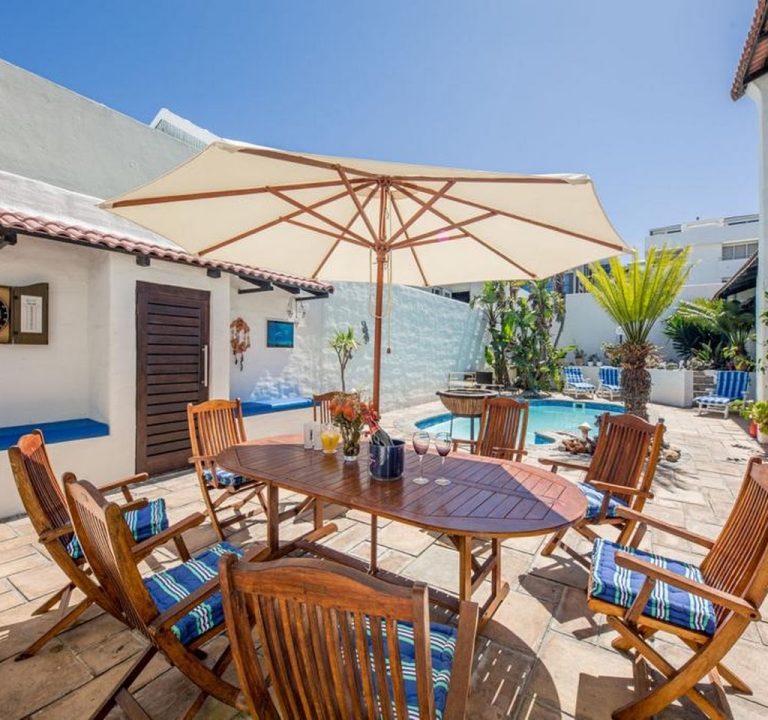
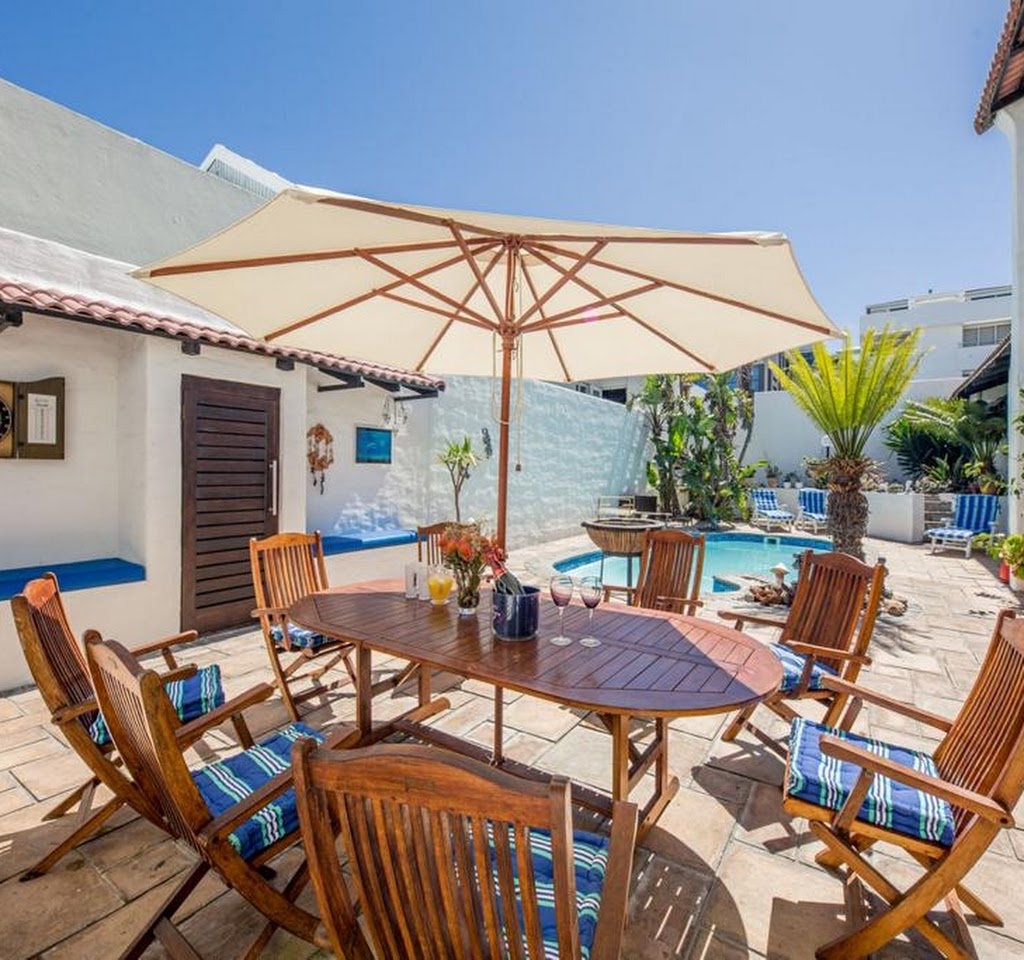
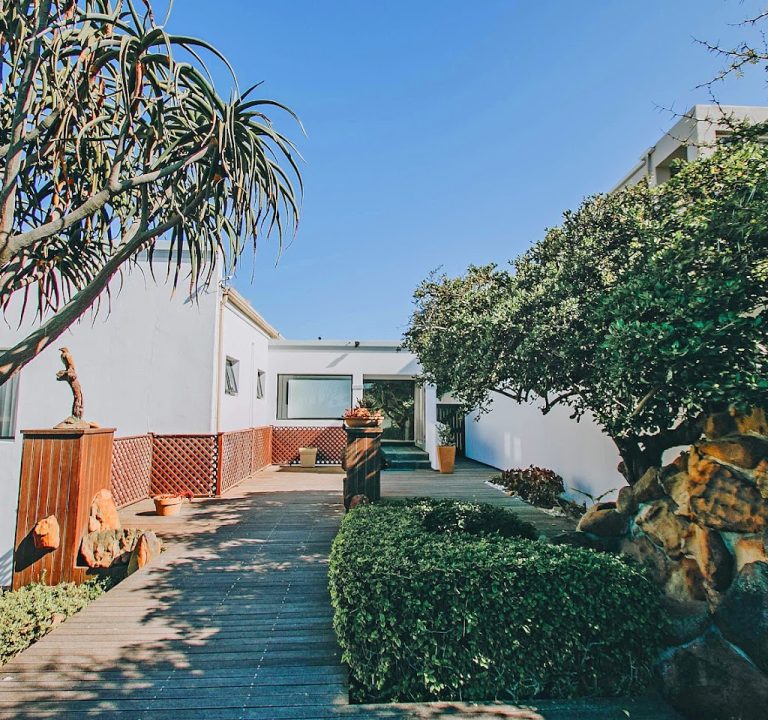
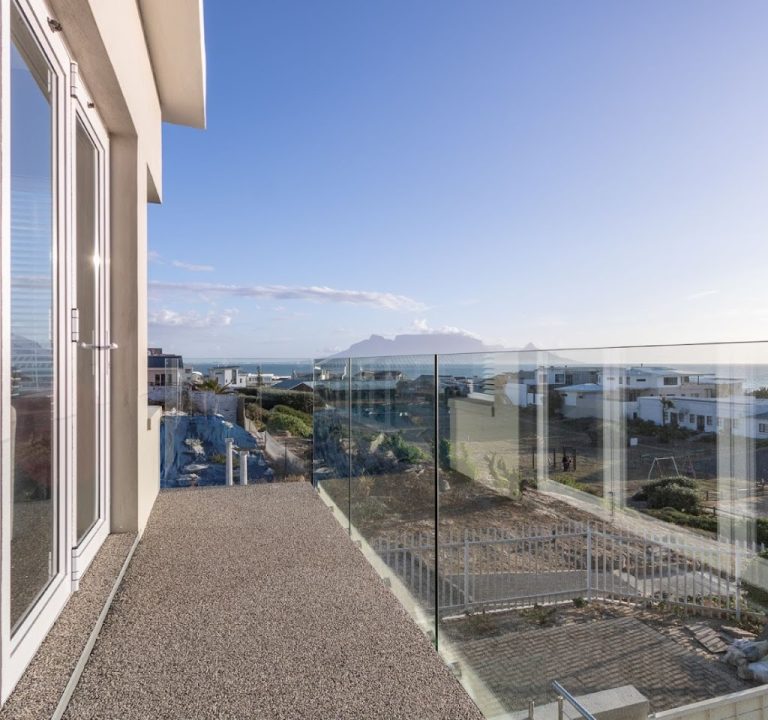
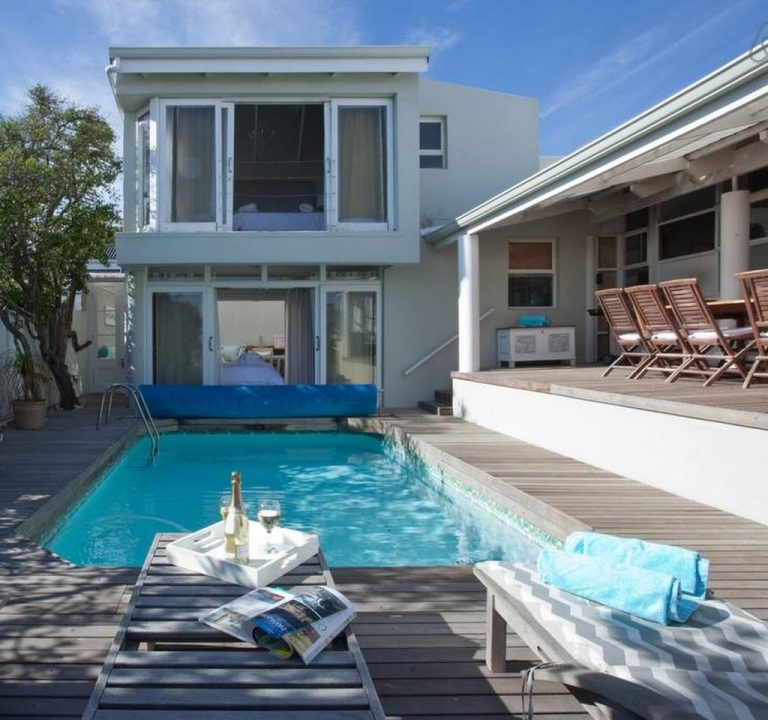
Typical amenities across quality lodgings in Cape Town vary, but many places offer en-suite bathrooms, free Wi-Fi, housekeeping, and well-equipped kitchen facilities or breakfast options. Some boutique properties include outdoor terraces, swimming pools with views, or indoor lounges with library spaces. If you’re travelling with family or a group, consider apartments or guesthouses that provide separate living spaces or flexible room configurations. For business travellers or those seeking a quiet retreat, look for properties with reliable Wi-Fi, work desks and good soundproofing. A practical tip is to check for a note about water usage and energy-saving features, as Cape Town has experienced drought conditions in the past and many lodgings now prioritise sustainability.
Transport is a practical consideration. The city centre is compact enough to explore on foot, but a car provides the most freedom for visiting vineyards, Table Mountain viewpoints, and the Cape Peninsula drives. If you prefer not to drive, many accommodation options organise guided day trips or private transport. The historic and scenic routes along the Atlantic coast are best enjoyed with a plan for parking and traffic, especially during peak tourist periods. Consider choosing a base with good access to a taxi or ride-hailing services, which can save time and reduce hassle when you want to dine out or reach a late evening show.
Best time to visit Cape Town depends on your priorities. For outdoor activities such as hiking, beach days, and seaside sunsets, the late spring, summer and early autumn months are ideal. If you’re keen on wine-tasting and cooler coastal walks, shoulder seasons can be very appealing. The city also hosts a variety of events, markets and performances throughout the year, making it worth checking a local events calendar when you book.
When planning excursions, there are many quintessential experiences that fit a wide range of budgets. You might consider a scenic drive along the coastline to admire sweeping views from coastal cliffs, a visit to a museum or historical site, and a stroll through vibrant neighbourhoods with markets and cafés. For meals, Cape Town offers a diverse array of dining options—from casual cafés to refined establishments. In general terms, you’ll find seafood-focused menus, modern South African cuisine, and international influences within easy reach of many lodging options. It’s wise to book restaurants ahead during peak travel periods, and to keep a few flexible options in case weather or tides influence plans for outdoor venues.
In addition to Cape Town’s own attractions, nearby towns and landscapes provide day-trip possibilities. Whale-watching opportunities may be seasonal, and the Cape Peninsula’s scenic drives offer dramatic views and photo opportunities. For lodging such as Big Blue Accommodation or similar lodgings, guests typically expect well-appointed rooms, friendly service, and proximity to local sights while still delivering a sense of place, whether that means harbour breezes or mountain horizons. Always verify what is included in the rate—breakfast, housekeeping, and access to common facilities can influence overall value and your daily plans.
- What to look for when booking: location relative to sights or transport, security, parking or access to public transit, quiet rooms, flexible cancellation policies, and clear, honest descriptions of rooms and shared spaces.
Finally, plan with a practical checklist: confirm the nearest transport options, map out a few preferred routes for the day, check the weather forecast for outdoor plans, and allocate some time to simply enjoy a sunset from a seaside vantage point. Cape Town rewards travellers who blend comfortable lodgings with thoughtful pacing, giving you the opportunity to discover its landscapes, eateries, and experiences at a relaxed, memorable pace. For further planning, you can explore official tourism resources and hotel or guesthouse websites to find properties that match your style and budget, and to read guest reviews that reflect current conditions and guest warmth.