Accommodation and Attractions in Cape Town: A Practical Guide for Visitors
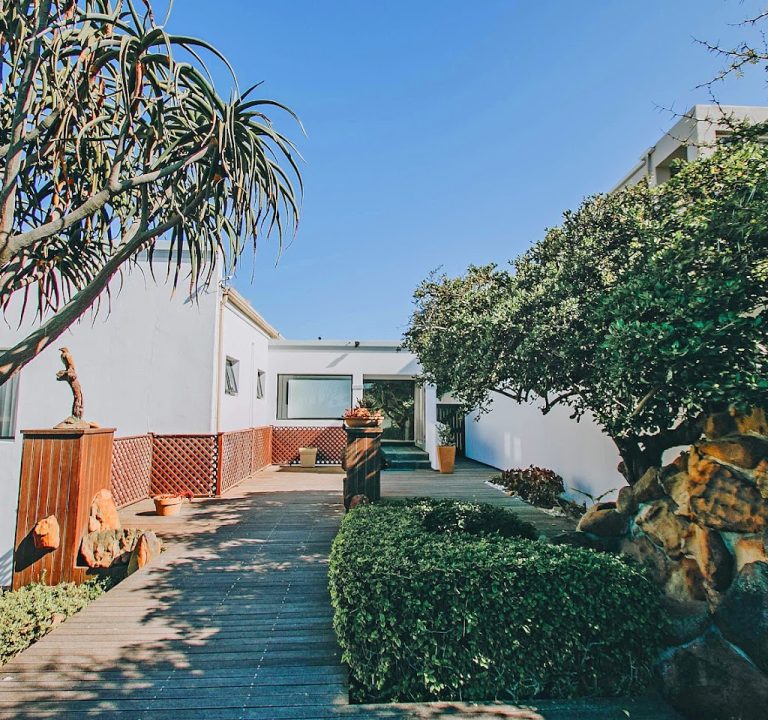
Cape Town blends natural splendour with a vibrant urban landscape, making it a standout destination for travellers who want both relaxation and exploration. When planning a stay in this diverse city, selecting the right area and understanding what to expect from accommodation can shape your experience. From cosy guesthouses to stylish lodges and self‑catering apartments, Cape Town offers options to suit different budgets and preferences, including places such as Blue Waters Apartments, a lodging choice that exemplifies the city’s accessible, home‑from‑home appeal.
Areas to consider for your base
The City Bowl sits at the heart of the action. It’s convenient for dining, museums, and easy access to iconic viewpoints. The Atlantic Seaboard, including Camps Bay and Clifton, provides beachfront chic and dramatic sunsets, ideal for those who want a seaside atmosphere within easy reach of the city’s galleries and markets. Green Point and Greenmarket Square corridor offer a mix of modern apartments, boutique hotels, and short‑term rentals, with good transport links and a lively dining scene. Constantia Valley is perfect for wine lovers and quieter stays, with lush scenery, guesthouses, and lodges that feel tucked away yet remain within reach of the city’s attractions. For a more authentic neighbourhood vibe, consider Woodstock or Observatory, which offer characterful stays near cafes, markets, and creative spaces.
What to look for when booking
Consider the following aspects to ensure a comfortable stay:
- Location relative to your planned activities, and access to public transport or parking facilities for a hire car.
- Type of accommodation: self‑catering apartments, guesthouses, boutique hotels, or lodges. Each has its own pace and level of privacy.
- Adequate security and well‑lit areas, especially if you plan to explore after dark.
- Amenities that matter to you, such as a well‑equipped kitchen, a reliable Wi‑Fi connection, air conditioning, safe storage for luggage, and convenient access to laundry facilities.
- Proximity to attractions, markets, trams or return routes after day trips to surrounding areas like Simon’s Town, the Cape Winelands, or Table Mountain’s routes.
Typical amenities you might expect
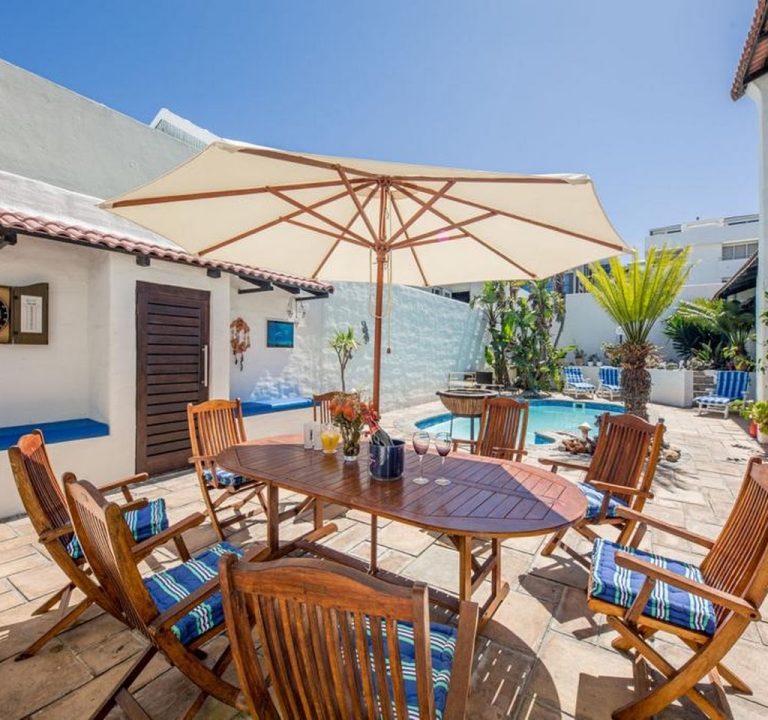
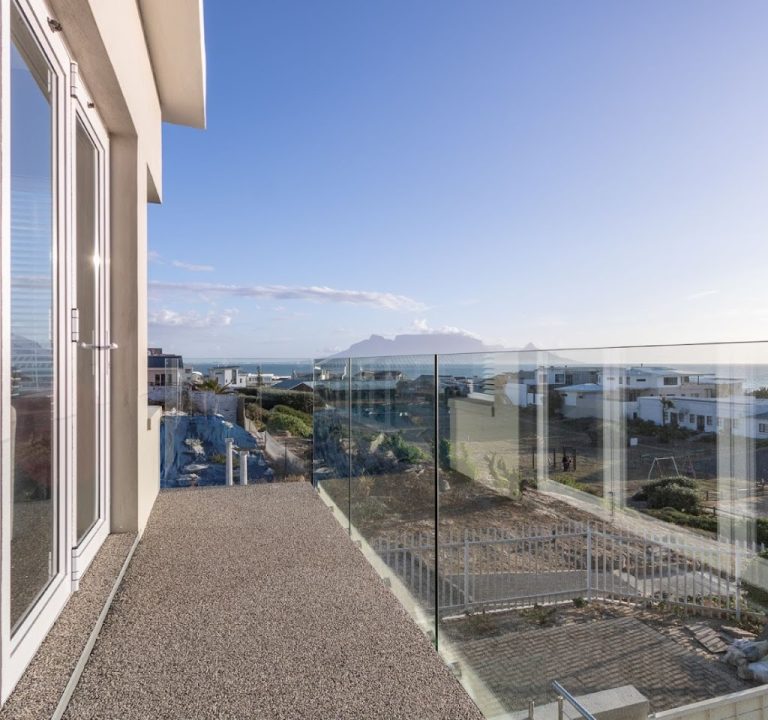
Many properties in Cape Town offer a thoughtful mix of comfort and practicality. Common features include secure on‑site parking or easy street parking, fully equipped kitchens or kitchenettes, high‑quality bedding, ensuite bathrooms, and swift Wi‑Fi for work or streaming. Some lodgings provide shared lounges, rooftop terraces with views, and outdoor spaces for al fresco meals. When staying in a self‑catering apartment or a lodge, you’ll often find detailed guides to local markets, grocers, and recommended eateries to help you settle in quickly.
Transport and getting around
Cape Town’s transport network includes a growing metro rail and a reliable bus service, with the MyCiTi service offering convenient routes across the city. If you plan to venture beyond the peninsula, a rental car provides flexibility, particularly for day trips to the Cape Winelands, coastal towns, or the Cape of Good Hope. Within central areas, many attractions are walkable, and ride‑hailing services provide a straightforward way to travel after a long day. When booking, it can be worth checking the proximity of your chosen lodging to major roads or bus stops to minimise transfer times.
Best time to visit and practical planning tips
Cepi climates make Cape Town appealing year‑round, but the best times for most visitors are during the spring and autumn shoulder seasons (roughly September to November and February to April). These periods offer mild weather, fewer crowds, and comfortable routes for outdoor activities such as hiking in Table Mountain National Park or exploring the Cape Peninsula. Summers can be lively and vibrant, with beachside dining and longer daylight hours, while winters are cooler and wetter, yet still capable of memorable experiences in the city’s museums, cafés, and wine estates.
Practical considerations for a smooth stay
Plan your days to balance outdoor adventures with restful downtime. Start with a City Bowl or Green Point base to enjoy central sights, then consider a secondary stop nearer the Atlantic Seaboard for beaches and sunset views. Make early dinner reservations in popular neighbourhoods, especially during peak season, and be flexible with your itinerary to account for changeable weather—Cape Town’s climate can shift quickly from bright sun to refreshing breezes.
Food, discoveries, and experiences
Dining in Cape Town ranges from casual street‑style eateries to refined restaurants emphasising seasonal produce. In addition to meals, visitors can enjoy markets, coffee roasters, and craft shops that showcase local talent. For cultural enrichment, look for venues offering contemporary art, guided nature walks, or wine‑country day trips in the surrounding regions. While exact names and prices are subject to change, the city consistently offers a rich tapestry of experiences that can be tailored to single travellers, couples, or families alike.
Whether you choose a harbour‑side apartment, a stylish lodge in a verdant valley, or a chic guesthouse in a bustling neighbourhood, Cape Town rewards visitors who plan with flexibility and curiosity. With thoughtful accommodation, easy transport options, and a wealth of natural and cultural attractions, a well‑paced stay can cover both the iconic sights and the hidden corners that make this city so memorable.