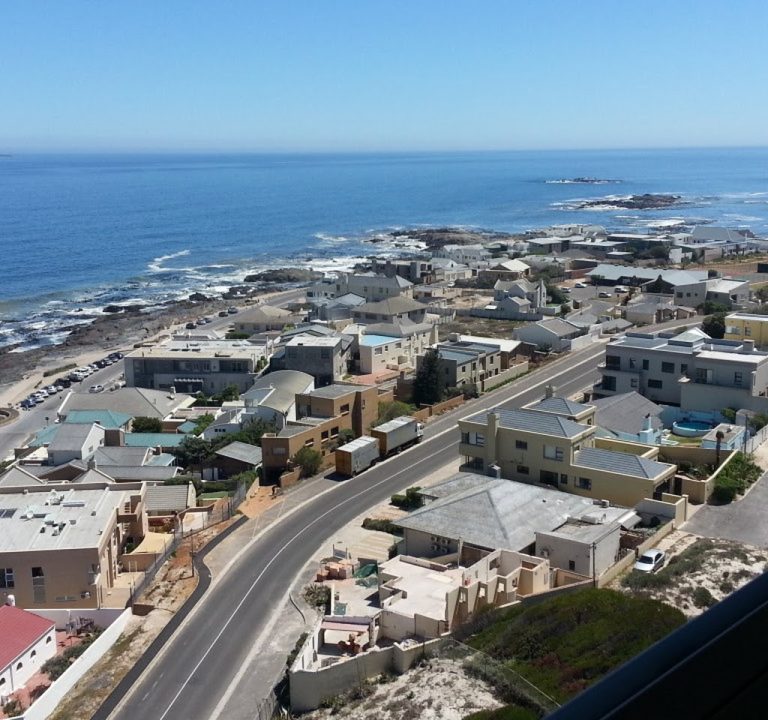
Cape Town: accommodation planning, areas to consider, and top experiences
Cape Town offers a diverse mix of places to stay, from stylish city apartments to sun-kissed beachfront flats and leafy guesthouses. When planning a stay, it helps to think about what kind of atmosphere you want, how close you’d like to be to the city’s main sights, and how you will get around. Self-catering options, such as 7 Views Self Catering Beachfront Apartment, can be a convenient base for travellers who prefer the flexibility of cooking meals and organising day trips at their own pace.
Areas to consider
The City Centre and the surrounding City Bowl provide easy access to museums, theatres, and a vibrant dining scene. It’s ideal for travellers who want to be close to cafes, markets, and nightlife, with quick links to the cable car for Table Mountain and to the V&A Waterfront for boats and harbour views. If you crave sea air and striking vistas, the Atlantic Seaboard—including Sea Point, Bantry Bay, Camps Bay, and Clifton—delivers dramatic coastline, long walks, and sunset views. These areas commonly offer stylish apartments and boutique guesthouses with strong Wi‑Fi and modern amenities.
For a quieter, more relaxed stay, consider the Constantia Valley or Kirstenbosch foothill areas. Constantia is famed for its wine estates, scenic drives, and leafy streets, while nearby parks and gardens provide trails for gentle strolls. If you plan longer visits or day trips to surrounds such as the Cape Winelands, staying in or near Stellenbosch or Franschhoek can be convenient, with many guesthouses and self-catering options set in vineyard scenery.
Typical amenities and what to look for when booking
- Self-catering facilities: a well-equipped kitchen or kitchenette, comfortable living space, and enough storage for longer stays.
- Security and access: clear entry arrangements, secure parking if you’re driving, and well-lit common areas.
- Wi‑Fi and workspaces: reliable internet and a suitable workspace if you need to work during your trip.
- Outdoor spaces: balconies, terraces, or gardens are highly desirable for relaxation after a day of sightseeing.
- Proximity to transport: easy access to bus routes, rideshare options, or parking for a rental car.
- Cleanliness and maintenance: modern furnishings, good heating or air conditioning, and reliable hot water.
Transport and getting around
Public transport in Cape Town has several options, including a metropolitan bus network with central hubs, scenic coastal routes, and opportunities for walking in compact neighbourhoods. A car rental provides maximum flexibility for day trips to the Winelands, Cape Point, and coastal towns. Rideshare services and taxis offer convenient alternatives for evenings out. If you stay near the City Bowl or the Atlantic Seaboard, you’ll likely be within comfortable reach of pedestrian-friendly streets, short rides to viewpoints, and a rich selection of eateries.
Best time to visit and practical tips
Cape Town enjoys a Mediterranean climate with warm, dry summers and mild, wetter winters. Peak tourist periods are typically from late spring to early autumn, when coastal conditions are ideal for outdoor activities. Shoulder seasons can offer quieter streets, good weather, and better-value accommodation. Practical tips for travellers include packing layers, a light rain jacket for irregular showers, and sunscreen for long outdoor days. Water conservation matters in South Africa’s climate, so it’s sensible to use water judiciously and opt for properties that emphasise sustainability. During periods of load shedding, choose accommodation with backup power or generators, and plan critical activities for daylight hours whenever possible.
What to do: attractions, dining, and experiences
Cape Town’s natural beauty is complemented by a wealth of culturally rich experiences. Iconic viewpoints, walking trails, and cable-car adventures offer memorable days. The area around the harbour provides pleasant places to stroll, with markets and a range of eating options nearby. Garden routes and coastal paths invite exploration, while coastal towns and beaches provide restful settings for sunset hours. When it comes to dining, Cape Town offers a broad spectrum of cuisines and dining formats—from casual neighbourhood eateries to more refined establishments—mostly located along dedicated dining streets or in hotel precincts. Many visitors also enjoy guided tours that cover historical sites, coastal scenery, and wine country experiences, giving a well-rounded sense of the region without needing to plan every detail in advance.
Practical considerations for bookings
Look for hosts or properties with clear cancellation policies, transparent pricing, and honest descriptions of the living spaces. Check recent guest reviews for notes on cleanliness, comfort, and proximity to transport links. If planning longer stays, verify whether linen and cleaning services are included or available at an extra cost. For families or groups, confirm the suitability of the space—bed configurations, baby-safety features, and the availability of cooking facilities are often key factors. If you’re exploring beyond the city, consider a base near major routes to smooth out day trips to the Winelands, penguin colonies at the coast, or pristine beaches along the Atlantic coast.
Accommodation variety and planning flexibility
Whether you prefer a modern apartment with a sea view, a cosy guesthouse in a quiet neighbourhood, or a spacious self-catering retreat close to beaches, Cape Town accommodates a broad spectrum of budgets and styles. The best approach is to outline your priorities—view, proximity to your planned activities, and the level of service you want—and then compare options that align with those criteria. With careful planning, your stay can balance comfort, convenience, and the unforgettable landscapes that define Cape Town.