Cape Town: Accommodation, Attractions and Practical Travel Tips
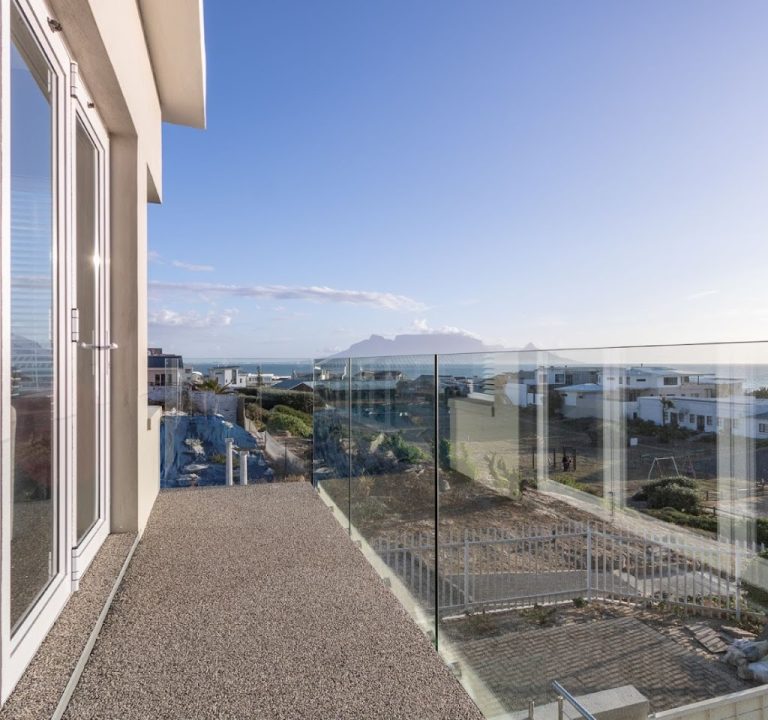
Cape Town blends dramatic scenery with a diverse range of places to stay, from boutique BnBs and stylish guesthouses to self-catering retreats and family-friendly lodges. Whether you want a hillside panorama above the Atlantic or a coastal base near the V&A Waterfront, planning your stay around neighbourhoods, transport options and essential amenities will help you make the most of your time in the Western Cape.
When selecting accommodation, consider the character of the area and how you’ll spend your days. The City Bowl offers proximity to museums, markets and dining, with easy access to Table Mountain via cableway or walks from nearby quarters. The Atlantic Seaboard gives bright, maritime scenery and long beaches, while Camps Bay and Clifton are popular for sunset views and resort-style stays. For a quieter, leafy vibe with quick access to the gardens and the city, neighbourhoods such as Wynberg or Constantia can be ideal for a restorative break. If you’re after a more coastal, relaxed feel, a self-catering option near Muizenberg or Hout Bay can provide space for families or groups, with outdoor activities nearby.
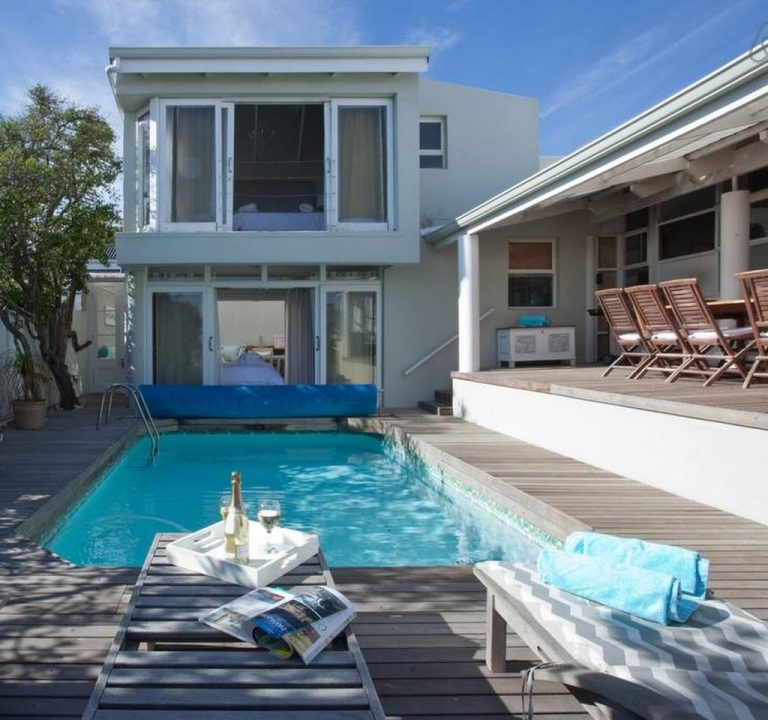
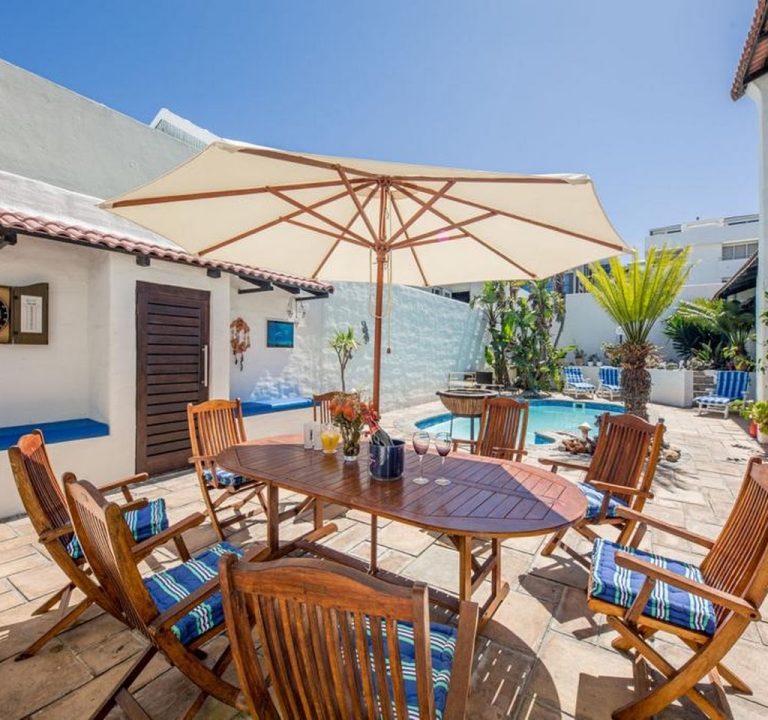
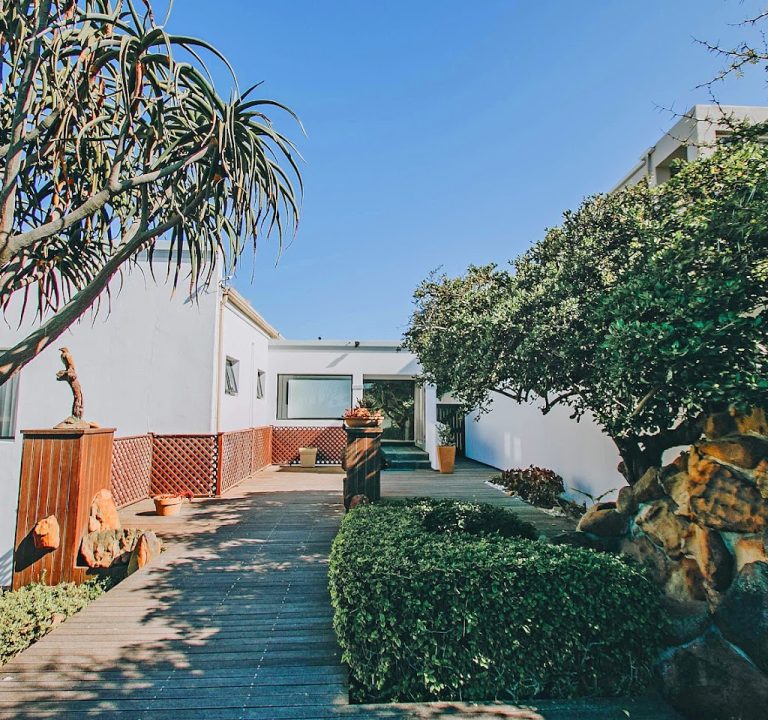
Typical amenities to look for include reliable free Wi‑Fi, well-equipped kitchens or kitchenettes, sufficient privacy and a clear check-in process. A well-run self-catering property—perhaps something like a White Waves Beach House or similar—will usually offer essentials such as clean linen, sufficient cooking equipment, and clear instructions for accessing shared spaces. Look for thoughtful touches: secure parking, good ventilation, air conditioning or heating for seasonal comfort, and information on local public transport or shuttle services. If you’ll be driving, confirm parking arrangements and access to major routes; if you’ll rely on public transport, check proximity to bus routes or the train network and walking distances to attractions and dining precincts.
Transport in Cape Town is varied. The MyCiTi bus service covers many routes, but some areas require a bit more planning or a short taxi ride. Renting a car offers freedom to explore the Cape Peninsula, the Winelands, and nearby towns, but driving can be challenging during peak hours, especially in the City Bowl and on the Atlantic Seaboard due to traffic and limited parking in popular spots. A practical approach is to base at least one night in the central, well-connected area and couple it with day trips to the Peninsula or the Cape Winelands, where guided tours or private drivers are available if you prefer not to self-drive.
Best time to visit Cape Town depends on your priorities. Summer (December to February) brings long days, warmer seas and vibrant outdoor scenes, ideal for beaches and outdoor markets. Autumn (March to May) offers milder temperatures and fewer crowds, with excellent wine-tasting conditions in the surrounding valley regions. Winter (June to August) is cooler and rainier, but often offers calmer city streets, lower rates on accommodation, and opportunities to enjoy indoor experiences such as gastronomy tours and art venues. Spring (September to November) brings fresh light and flowering landscapes, a pleasant balance for sightseeing and outdoor activities. Regardless of season, book ahead for major attractions and for properties with sought-after locations near beaches, viewpoints or central transport hubs.
Typical activities and experiences to plan around include: rising early for a Table Mountain summit via cable car or a guided hike, exploring the V&A Waterfront’s markets and eateries, visiting historic sites and museums, taking a coastal drive along Chapman's Peak or the Atlantic Seaboard, and enjoying local flavours at neighbourhood eateries. For families or groups, consider self‑catering bases that provide room to relax after day trips, with easy access to beaches, parks and gentle walking routes. When dining out, you’ll find a mix of casual cafés, vibrant bistros and fine-dining rooms; most venues offer menus featuring fresh seafood, regional produce and world-influenced cooking. Booking ahead is advisable during peak seasons and weekends, particularly in popular precincts such as the city centre, Camps Bay and the Waterfront.
Practical planning tips to help you maximise value and comfort:
- Check the proximity of your accommodation to the places you plan to visit most, and factor in travel time for traffic or hillier terrain.
- Read recent guest reviews to gauge cleanliness, noise levels, and the accuracy of property descriptions.
- Review cancellation policies and whether the rate includes taxes or service charges to understand the true cost.
- Ask hosts or property managers for real-time advice on safety, local transport options, and seasonal recommendations.
- Prepare for varied weather by packing layers, sunscreen and a light waterproof layer, even in summer.
After you settle in, build a flexible itinerary that balances well-known sights with time for discovery. For a relaxed day, stroll around a waterfront precinct, stop at a market for crafts and snacks, and choose a restaurant with views or a short walk to sunset points. If you enjoy wine and scenery, plan a day trip to the nearby wine routes and coastal towns, with a careful timetable to fit in travel between venues. Cape Town rewards curiosity—whether you’re seeking scenic beauty, culinary excellence or a comfortable home base for weekend adventures, thoughtful accommodation choices and informed planning will help you craft a memorable stay.
For further inspiration and practical pointers, you can explore official tourism resources and trusted travel guides at reputable sites. If you’re considering self-catering options, review listings and itineraries that align with your group size, dietary needs and preferred pace of travel. A well-chosenHome-away option and a well-planned schedule can transform a Cape Town visit into a balanced, enjoyable experience where comfort, convenience, and discovery go hand in hand.