Exploring Cape Town: Where to stay and what to do in and around the Western Cape
Cape Town and the surrounding Western Cape offer a wonderfully diverse mix of accommodation styles, from intimate guest houses in charming neighbourhoods to contemporary city hotels with sweeping harbour views. Planning a stay here means balancing location with comfort, accessibility, and the kind of experiences you want to savour—whether you’re chasing beaches, mountains, culture, or culinary adventures. A stay in Blouberg, for example, can be ideal for travellers who want easy access to pristine coastal views and wide, grassy edges for sunset photography, while still being well connected to the city centre and its surrounding attractions.
When selecting accommodation, consider the neighbourhood’s character and proximity to the activities you have in mind. The Atlantic Seaboard offers bright, stylish lodgings near the coast, with easy access to popular beaches, offshore scenery, and vibrant dining streets. The city bowl provides convenient bases for museums, markets, and nightlife, often with walkable routes to historic sites and arts venues. Constantia and the southern suburbs are well suited to wine lovers and families seeking green spaces, scenic drives, and a quieter pace. For a mix of residential charm and coastal breezes, Blouberg and nearby coastal towns present a balance of relaxed guest houses and self‑catering options that suit longer stays or budget-conscious travellers.
Typical amenities you can expect include comfortable en suite rooms, reliable wifi, self‑catering facilities or breakfasts on offer, and secure parking. Many guest houses in Cape Town pride themselves on warm hospitality, personalised recommendations, and easy access to local transport links. If you’re visiting with family or a group, look for family rooms, larger suites, or apartment-style options with dedicated living spaces. Early morning deliveries at small guest houses are common, so a flexible approach to check‑in times can help you plan your day around memorable activities.
Transport is a practical consideration for most visitors. The MyCiTi bus network provides extensive coverage across the city and its greater area, making it feasible to stay in one neighbourhood and day‑trip to others. Rideshare services are widely used for airport transfers and evening outings, while some guest houses offer shuttle arrangements or convenient parking. If you’re exploring the Peninsula or venturing to the Winelands, a rental car offers the most freedom, though many attractions can be accessed via organised tours or scenic coastal drives. When planning self‑cdrive days, keep in mind Cape Town’s road etiquette, parking rules, and the variable bustle during peak holiday periods.
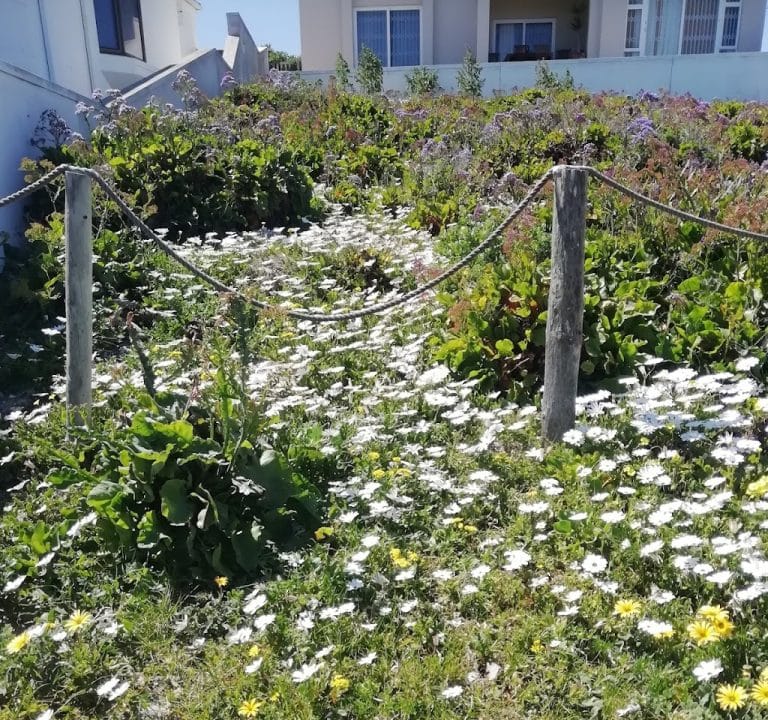
Best time to visit Cape Town varies with what you want from your trip. Spring (September to November) brings colourful wildflowers and mild weather, making it ideal for outdoor exploration and coastal walks. Autumn (March to May) offers pleasant temperatures and calmer crowds, with excellent conditions for winery visits and coastal indulgence. Summer (December to February) is high season, with longer days, vibrant markets, and water activities; expect busier beaches and popular routes. Winter (June to August) is cooler and wetter, yet many museums, galleries, and indoor eateries remain inviting, and the city’s culinary scene thrives with inventive menus and seasonal produce. Regardless of season, plan to book accommodation in advance if you’re visiting during school holidays or major events, and allow time for weather shifts that may impact outdoor plans.
When it comes to planning activities, a mix of outdoor and cultural experiences makes for a well-rounded stay. You might begin with a scenic drive along the Atlantic coast, stopping for photo moments at lookouts and beaches. A hike up a mountain ridge or a coastal trail offers dramatic views and memorable photo opportunities. In the city itself, you can explore markets, historical sites, and contemporary galleries, followed by a dinner at a restaurant that emphasises local ingredients and regional seafood. For wine enthusiasts, day trips to nearby wine regions offer guided tastings, vineyard tours, and light lunches that showcase the countryside’s character. If you’re staying in Blouberg or nearby coastal pockets, a sunset stroll along the shore can be a quintessential Cape Town moment, with the Table Mountain silhouette often visible against the colours of the evening sky.
Practical tips for visitors include checking the accommodation’s proximity to desired activities and transport hubs. Look for establishments that provide clear directions, helpful guest information, and nearby dining options. Keep a small bag handy with sun protection, water, a light layer for cooler evenings, and a portable phone charger for long days of exploring. If you’re on a tight schedule, prioritise experiences within a compact radius to minimise travel time. For those seeking food and drink experiences, ask hosts or front desk staff for restaurant suggestions that align with your preferences, whether it’s seafood, braai, modern fusion, or homestyle Cape Malay cooking.
- Choose a base that minimises daily travel while maximising access to beaches, mountains, markets, and dining.
- Look for flexible check‑in/out options and clear information on transport and local services.
- Consider a mix of en suite rooms and self‑catering spaces for comfort and convenience.
- Plan for the climate and season, prioritising activities accordingly and booking ahead during peak periods.
In summary, Cape Town’s accommodation scene supports a range of traveller needs—whether you seek a romantic coastal stay in Blouberg, a bustling city centre apartment, or a serene retreat in the winelands. Pair your lodging choice with a balanced itinerary of natural beauty, cultural experiences, and dining that celebrates the region’s best ingredients. With thoughtful planning, your Cape Town stay can be both relaxing and richly rewarding, offering lasting memories of the city’s iconic landscapes and hospitable hospitality. Websites for planning and bookings can provide detailed neighbourhood guides, reviews, and practical tips to tailor your visit to your interests.