Johannesburg: accommodation ideas, neighbourhoods to consider, and how to make the most of your stay
Johannesburg, often simply called Jo’burg or Joburg, is a dynamic gateway to South Africa’s history, culture and natural beauty. When planning a stay, think about the mix of city energy, easy access to sights, and a comfortable home base. Options range from stylish apartments and boutique hotels to family-friendly guesthouses, making it possible to tailor your stay to your pace and budget. If you are exploring on foot, by rail, or with occasional car access, there are several smart choices to suit different itineraries.
Neighbourhoods to consider for accommodation vary by vibe and convenience. The central business district puts you close to museums, galleries and major transport links, though you may prefer a calmer atmosphere in more leafy areas. Sandton and Rosebank offer modern hotels and serviced apartments with easy access to business centres and reliable public transit, while Maboneng and Braamfontein provide a lively arts and dining scene with boutique stays and converted lofts. For families or longer visits, suburban pockets such as Melville or Randburg can offer apartment-style stays with practical amenities and residential feel, often at more generous space and competition-friendly prices.
What to look for when booking a stay in Johannesburg: a clear sense of location relative to the top sights you plan to visit, easy access to public transport, and practical amenities that suit your itinerary. Check for reliable Wi‑Fi, a well-equipped kitchen or kitchenette if you prefer self-catering, a front desk or 24-hour reception if you’ll be arriving late, and secure access to the property. If you anticipate late check-ins or early starts for day trips, it helps to choose hosts or managers who can provide local tips and flexibility. Read recent guest reviews to get a sense of cleanliness, accuracy of listing descriptions, and the responsiveness of hosts or staff.
Typical amenities you may encounter include air conditioning or ceiling fans for Jo’burg’s warm days, a cosy living area, white-washed interiors, and well-equipped kitchens or kitchenettes. Many properties offer laundry facilities or services, parking either on-site or nearby, and options for self‑catering in a central location. If you value a social atmosphere, consider a property with a shared lounge or courtyard. For families, look for child-friendly spaces, proximity to parks, and safer, well-lit neighbourhoods after dark. Accessibility features can also be important, so check for steps, elevators, and easy entry to apartments if needed.
Transport options will shape how you experience the city. Johannesburg has a developing, but busy, transport network. The Gautrain provides fast rail connections to Pretoria, Sandton, and the airport area, which makes day trips practical and avoids some traffic. In many districts, ride-hailing apps and local taxis are reliable ways to move around. If you plan longer day trips to natural or historical sites outside the city, a car or organised tours can be convenient. When staying in central areas, you can often walk to markets, coffee houses and eateries, turning your stay into a walkable urban retreat.
Best time to visit Johannesburg depends on weather and what you want from your trip. The city has a temperate climate, with warm summers and mild winters. Spring and autumn can be particularly pleasant for outdoor exploration and photography, while summer brings lush greenery and longer days for markets and street life. If you are sensitive to rain, it’s worth checking the seasonal patterns ahead of your trip. Regardless of when you go, plan some flexibility in daylight hours so you can enjoy al fresco dining or late-afternoon city strolls after your primary sightseeing plans.
Planning practical activities during your stay can enhance your experience without breaking the budget. Start with a balance of indoor and outdoor options. Visit museums and cultural centres to understand South Africa’s rich history and the city’s role in it, then take a stroll through markets or vibrant neighbourhoods where you can observe street art, browse crafts and try quick bites from local eateries. Dining can range from casual cafés to more refined restaurants; the city offers diverse cuisines reflecting its cosmopolitan population. When you’re ready for a break, there are pleasant parks and green spaces where you can escape the urban pace for an hour or two.
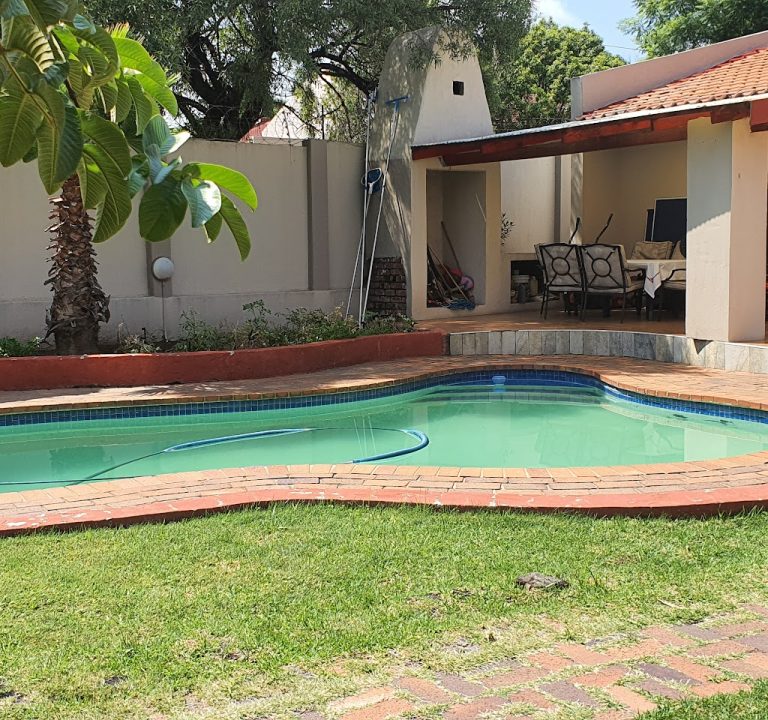
For Bergild House or similar accommodation options, it is worth confirming whether the listing offers private access, a dedicated entrance, or a small outdoor seating area, which can be perfect for relaxed evenings after a day of sightseeing. If you enjoy a sense of place, look for hosts who can share personal recommendations for offbeat experiences, hidden cafés, and scenic routes that showcase Johannesburg beyond the usual tourist sites. A well-chosen apartment or hotel can act as a comfortable hub from which to discover both the vibrant city core and the surrounding Gauteng countryside.
- Tip: map out a rough daily route to minimise backtracking, and cluster sights by proximity to your chosen neighbourhood.
- Tip: budget time for transportation to and from the airport, as peak traffic can affect travel times.
- Tip: confirm dining options nearby, including places that cater for a range of dietary preferences.
In summary, Johannesburg offers a rich mix of accommodation styles to suit almost every itinerary. By focusing on location, practical amenities, transport access, and flexible hosts, you can enjoy a comfortable stay that makes the most of the city’s energy, culture and hospitality. For a well-situated home base, consider areas with good transit links and walkable access to dining and museums, then plan day trips to explore Gauteng’s landscapes, markets and historic sites at a relaxed pace. Websites and booking platforms can provide inventory and up-to-date information to help tailor a memorable Johannesburg stay.