Johannesburg: A Practical Guide to Lodging, Local Vibe and Getting Around
Johannesburg, or Jo’burg as many locals affectionately call it, offers a wide range of accommodation that suits all styles and budgets. From intimate bed and breakfasts tucked into leafy neighbourhoods to contemporary city-centre hotels with skyline views, planning a stay in Gauteng’s largest city can be a smooth, enjoyable experience. When selecting a place to base yourself, think about convenience, security, and the sense of place you want to wake up to each morning.
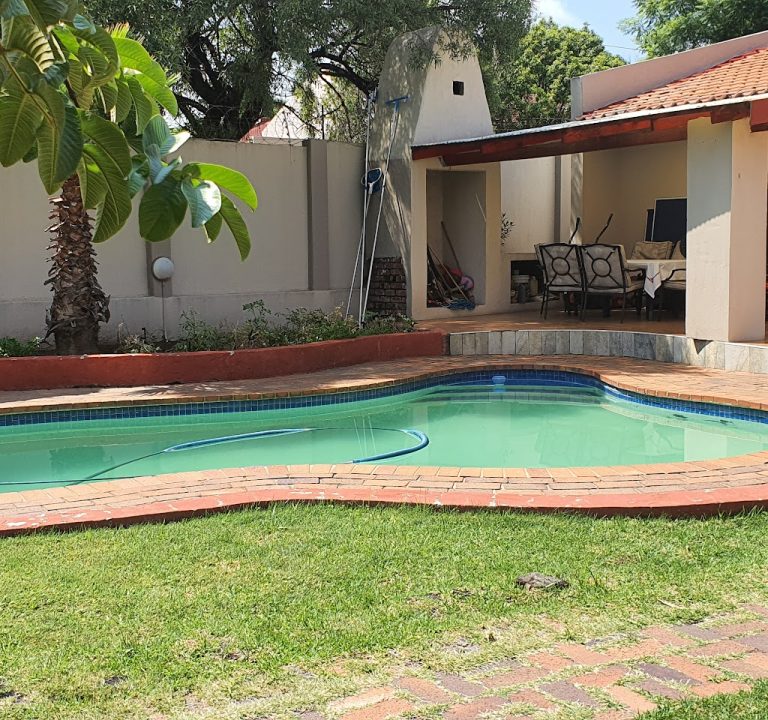
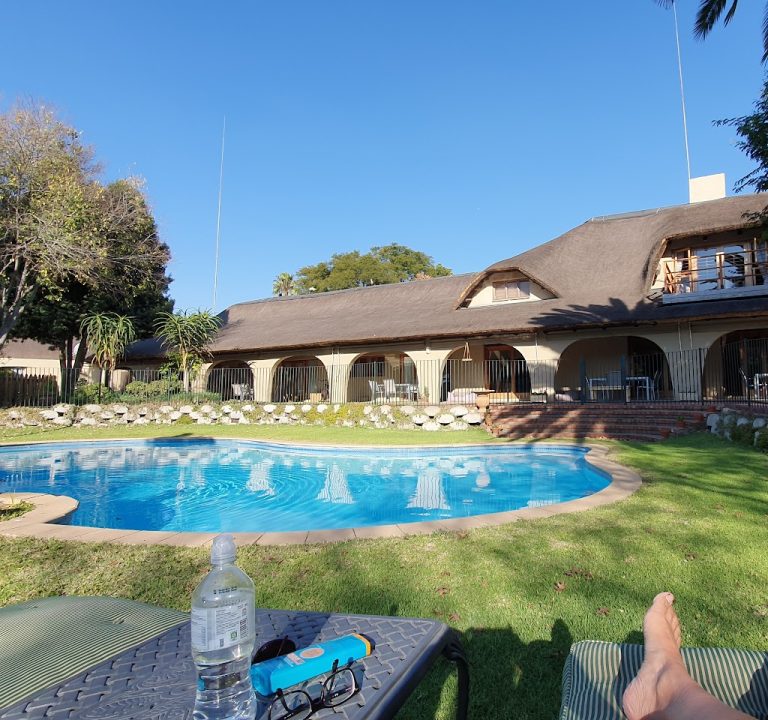
Areas to consider include the northern suburbs, which tend to be quieter and more residential, with easy access to good restaurants and shops. The city centre and nearby Maboneng and Braamfontein offer a lively, artsy vibe with a shorter stroll to galleries, markets and cafés, while Sandton is known for modernised business hotels, shopping and broader transport links. For a more intimate stay with personalised service, a local bed and breakfast (B&B) can provide a warm welcome and a sense of neighbourhood life. If you are curious about staying at a B&B named Kwithu bed and breakfast, you may find it reflects the larger city’s hospitality ethos: comfortable rooms, locally sourced breakfast options, and the opportunity to chat with hosts about the area.
When you book, look for a few practical amenities that make a big difference. A reliable Wi‑Fi connection, secure on-site parking or easy street parking rules, and a responsive host or front desk can save you time and stress. Enquire about quiet rooms or soundproofing if you plan to rest after long days out exploring. If you need to work or plan day trips, check whether the property offers workspaces or comfortable common areas. For families or groups, family rooms or suites, plus a kitchenette or self-catering options, can add flexibility to your stay.
Transport is a key consideration in Johannesburg. The city is spread out, and driving is common, but safe, well-lit public transport options are worth knowing about. The Gautrain rail network connects the airport and major hubs with convenient access to central Joburg and neighbouring towns. In addition, ride-hailing apps and reputable taxi services are widely used. If you plan to venture beyond the central areas, choosing a base near a Gautrain station or a major bus route can cut down on transit time and give you more freedom to explore without long daily commutes.
Best time to visit Johannesburg is when the weather is pleasant and the days are relaxed for sightseeing. Spring (September to November) brings blooming trees and pleasant temperatures, while autumn (March to May) is similarly mild. Summer (December to February) can bring showers and warm evenings, which is great for evening dining and markets. Winter (June to August) is cooler and often dry, which can be ideal for city wandering with fewer crowds. Whatever the season, plan for afternoon thundershowers in the height of summer and carry a light layer for cooler evenings, especially in higher elevation areas.
Accommodation in Johannesburg often includes access to communal spaces such as lounges, guest kitchens or terraces, and in many areas there is a focus on breakfast service that showcases local produce. If you value sustainability, look for properties that use energy-saving measures, recycling practices, and water-efficient fittings. Some neighbourhoods offer smaller boutique hotels and B&Bs that emphasise personalised service and insider knowledge of the city’s food, art and cultural scenes. When confirming your booking, ask about guest safety measures and whether the property has on-site staff or a contactable host who can assist with late arrivals or local recommendations.
What to do during your stay is as important as where you sleep. In terms of attractions, you’ll find a mix of cultural institutions, vibrant markets, and nature within reach. General highlights include museum and heritage sites that tell the story of South Africa’s complex past, public art and street sculpture, and parks or green spaces that invite a stroll or a relaxed picnic. For dining, you can expect a diverse restaurant scene ranging from trendy modern eateries to traditional South African fare, with many venues sourcing ingredients locally. Rather than fixed favourites, look for places that emphasise seasonal menus, garden-to-table concepts, or neighbourhood bistros with a warm, welcoming atmosphere. For day trips, you might consider nearby parks or nature reserves or a short drive to surrounding towns and townships that offer guided tours and authentic cultural experiences.
- Choose accommodation with easy access to transport hubs or major routes to minimise transfer time.
- Consider a neighbourhood with safety features and a host who can offer local tips.
- Prioritise properties that provide breakfast options and secure parking if you plan to self-drive.
For planning resources, reputable official sites can help you map your stay and identify experiences: City of Johannesburg information pages and Gauteng Tourism offer guidance on attractions, dining suggestions and practical travel tips. A flexible itinerary is wise; mix a few organised tours with time to wander on foot, visit markets and enjoy a café culture that thrives in many Johannesburg districts. With the right base, you’ll experience a city that blends modern vibrancy with its rich, often surprising heritage—an ideal backdrop for a memorable stay in Gauteng.