Accommodation and experiences in Johannesburg, Gauteng: planning your stay and enjoying the city
Johannesburg, often called Jo’burg or Jozi, is a sprawling metropolis with a diverse mix of accommodation options, from intimate boutique lodges to contemporary hotels and guesthouses. The city is known for its vibrant neighbourhoods, cultural hubs, excellent dining, and a wide range of visitor attractions. When planning a stay, consider the areas that best match your interests, pace, and budget, as each quarter offers a distinctive flavour and convenient transport links.
Central Johannesburg and the city bowl offer easy access to business districts, museums, markets, and a thriving arts scene. The northern suburbs, including areas such as Sandton and Randburg, tend to be more modern and polished with prolific dining and shopping choices, while areas like Rosebank and Melville provide a mix of lively streets, cafés, and affordability. Southern areas and townships such as Soweto offer historical context and guided experiences that reveal the country’s recent past and resilient culture. When choosing accommodation, think about proximity to the places you plan to explore, as well as transport options and safety considerations after dark.
Typical amenities to look for include reliable Wi‑Fi, secure on-site parking if you drive, and clear access to public transport. A well-situated base for exploring the city will often offer easy access to the Gautrain or major bus routes, and many properties provide guidance on safe night-time rideshares or pre-booked transfers. If you are visiting for a short stay, look for a property with flexible check-in, a small hospitality staff on-site, and a comfortable communal area to unwind after a day of sightseeing.
Accommodation types vary widely. Boutique guesthouses and lodges in secure, leafy neighbourhoods can provide personalised service, while modern hotels tend to offer consistent standards and a range of amenities such as on-site dining, fitness facilities, and lounge spaces. If you are seeking a quieter retreat, a lodge-style property near tree-lined streets or on the edge of a parkland can deliver a relaxed atmosphere and a more immersive stay. For families, many guesthouses and lodges offer larger rooms or suites, child-friendly spaces, and convenient locations near parks or museums.
Transport in Johannesburg is easy to navigate once you know where you are staying. The city has a growing rail network via the Gautrain, which connects the airport and several key suburbs to central Johannesburg and Pretoria. Taxis and rideshare apps are widely available, and some accommodation providers can arrange private airport transfers or day excursions. If you prefer driving, check whether your chosen property offers parking or nearby secure lots, and plan routes in daylight if you are unfamiliar with the area. Walking is pleasant in districts with pedestrian-friendly streets, but it is wise to stay in well-lit areas after dark and to plan safe routes back to your lodging.
When to visit Johannesburg is flexible, but many travellers favour the dry winter months or the shoulder seasons. The city enjoys plenty of sunshine, with summer occurring from November to March, which brings occasional showers and thunderstorms. Spring and autumn can offer comfortable temperatures for outdoor exploring, especially around city gardens, markets, and open-air experiences. If you plan to combine city sightseeing with day trips, you can tailor your itinerary around neighbourhoods and transport options to reduce travel time and maximise your experience.
Planning practicalities can affect your experience as much as your room choice. Before booking, read recent guest reviews to gauge real-world conditions such as housekeeping, noise levels, and staff attentiveness. Check cancellation policies and any inclusions such as breakfast, access to a kitchen or common areas, and whether the property can assist with personal safety tips or local guidance. Consider what kind of neighbourhood you prefer: a lively urban core with nightlife and cafés, a leafy residential area with easy access to parks, or a culturally focused precinct with museums and guided tours.
Beyond where you stay, Johannesburg offers a broad spectrum of experiences. You can expect markets and cafés that showcase local produce and creative cuisine, neighbourhoods with street art and galleries, and museums that illuminate the country’s history and the modern Southern African story. For meals, many accommodation providers curate recommendations for nearby restaurants that suit varied budgets and palates, from casual bistros to refined dining rooms. If you enjoy guided explorations, consider small-group tours that cover highlights such as historic spots, markets, and scenic viewpoints. In addition, day trips to nearby nature reserves or winelands can be part of a well-rounded itinerary, depending on your interests and time available.
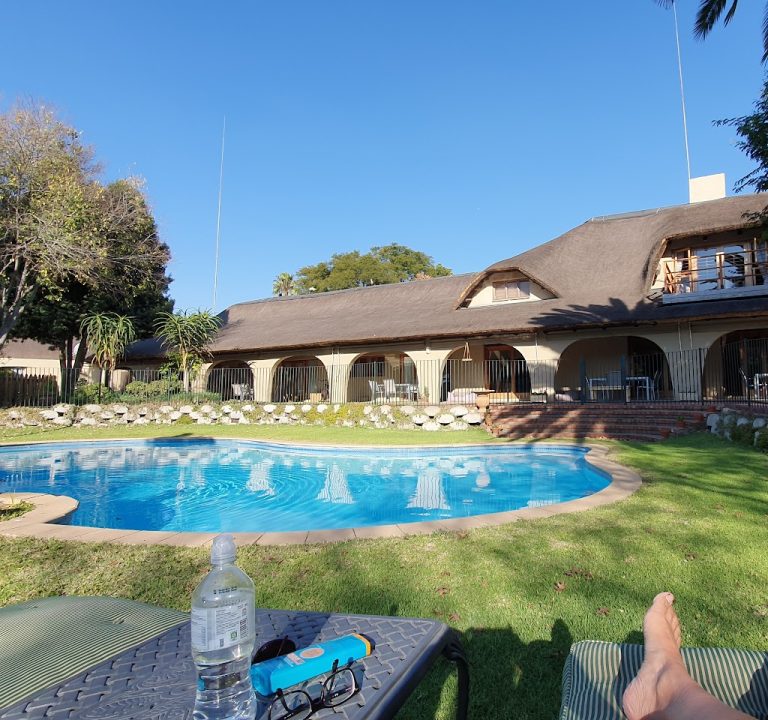
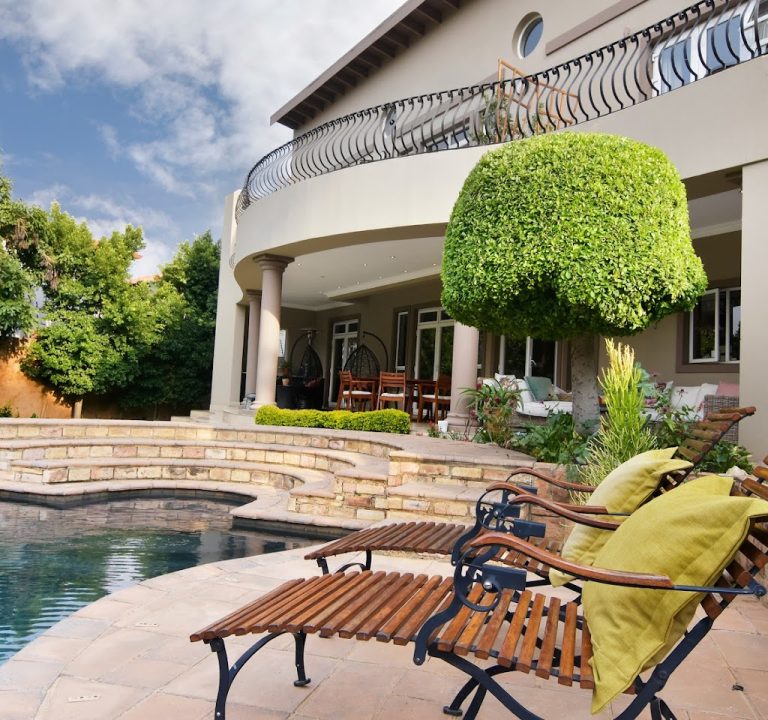
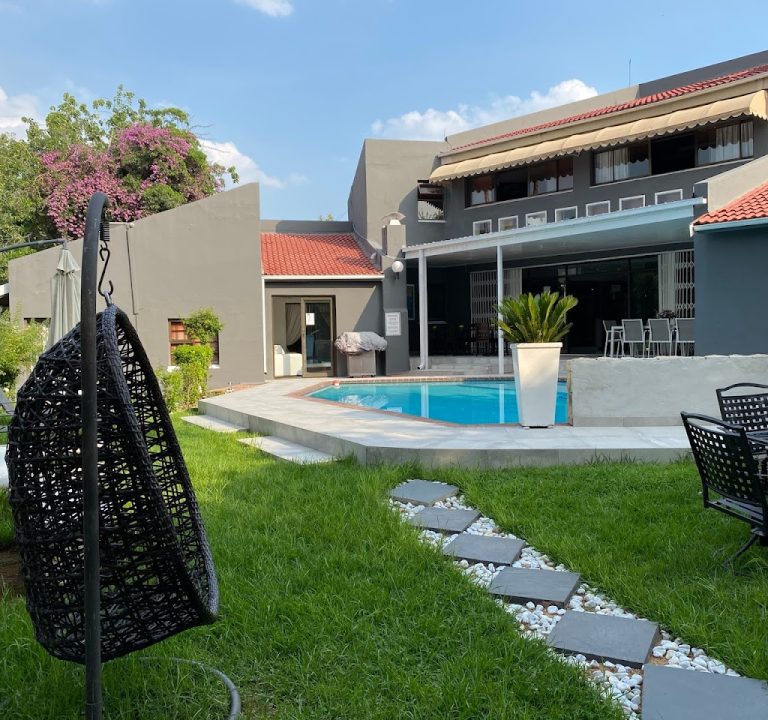
For those seeking lodge-style stays, a calm, intimate setting with personalised service can be an attractive option within the city or its outskirts. Such properties may offer cosy lounges, outdoor spaces, and staff who can help arrange local experiences or transport for day excursions. An example of the lodge concept in Johannesburg is a site that blends comfortable guest quarters with a focus on hospitality, quiet surroundings, and convenient access to urban attractions. While amenities vary, the aim is to provide guests with a relaxing base from which to discover the city and its surroundings.
To plan a successful stay in Johannesburg, balance your accommodation preferences with practical considerations, such as transport access, safety, and the kinds of experiences you want to prioritise. A well-chosen base will help you discover the city’s energy and its quieter corners alike, while keeping you comfortable and well connected. With a thoughtful approach to where you stay, when you visit, and how you get around, Johannesburg can offer a richly rewarding stay for travellers seeking culture, cuisine, and urban adventures.