Johannesburg: A Practical Stay for Culture, Cuisine and Incredible Access
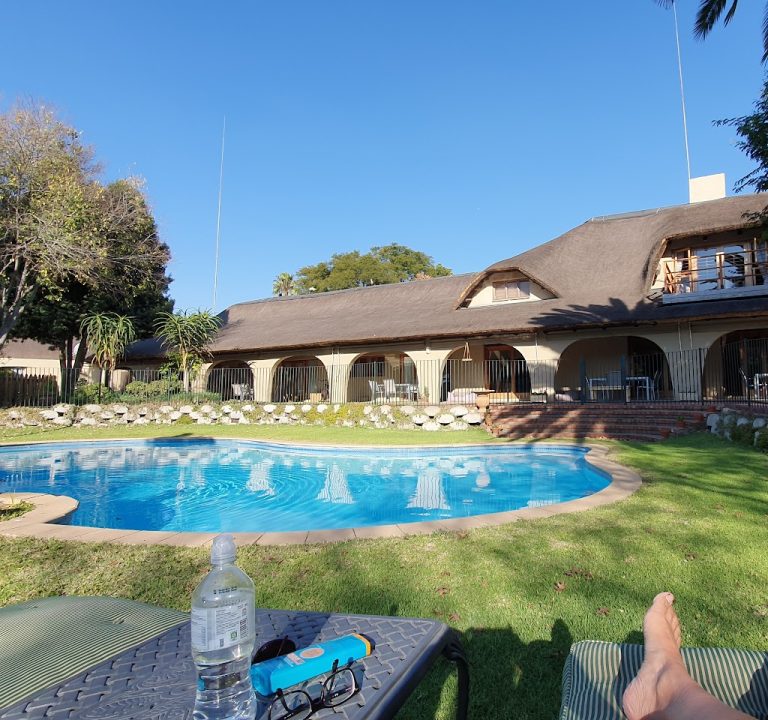
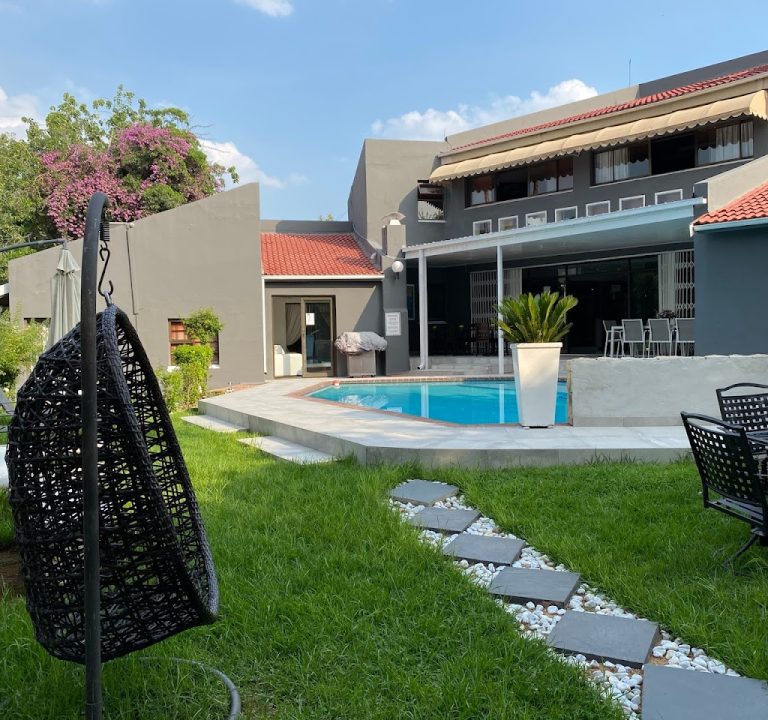
Johannesburg is a city of contrasts, from leafy suburbs and convenient air connections to bustling markets and modern galleries. When planning a stay in Gauteng’s largest urban centre, it helps to choose accommodation that matches your itinerary and pace. Options range from intimate bed-and-breakfasts in residential neighbourhoods to contemporary hotels near business districts or cultural hubs. A guesthouse such as a well-run B&B can offer a welcoming, home-from-home experience, often including breakfast and insider tips for exploring the city. Look for hosts who can share area recommendations, transport options and safe routes for evening strolls.
Areas to consider will shape your days and evenings. If you want easy access to central business streets, arts venues and restaurants, choose accommodation in or near the central or northern suburbs, where public transport links are frequent and rideshares are readily available. For a more relaxed, family-friendly stay with neighbourhood character, suburban pockets a short drive from the city centre can be ideal, with convenient drive routes to major attractions. If you’re keen on a nocturnal scene with markets, music and street food, you might prefer a location close to cultural precincts or historic districts that are easy to reach by ride-share after dark.
Booking considerations are essential. Check the type of bed arrangement (a single room, twin, family suite), shower or bath facilities, and whether the property serves breakfast and what time. For longer stays, look at self-catering options alongside traditional B&B setups. Consider the security features of the building, parking availability, and whether the property offers intercity or local transport connections, such as access to rail or tram networks and reliable taxi or rideshare access. Reading recent guest reviews can reveal how pros and cons manifest in real life—things like hot water reliability, Wi-Fi speed, and the responsiveness of hosts or managers.
Typical amenities that travellers value include reliable Wi-Fi, a comfortable workspace if you need to catch up on emails, a well-equipped kitchen or tea-and-coffee facilities, and storage space for luggage. A well-presented breakfast can be a highlight of a B&B experience, especially when hosts offer regional favourites and fresh ingredients. Other practical features include secure access, air conditioning or good ventilation for Johannesburg’s climate, and clear guidance on local transport routes. Proximity to major transport arteries, such as highways and rail links, can save time when you plan day trips outside the city, including visits to other Gauteng towns or natural reserves nearby.
Getting around Johannesburg is straightforward with a mix of public transport, ride-hailing services and car hire. The Gautrain system offers fast links to airport and northern suburbs, while many central areas are walkable or served by bike-friendly lanes. For evening outings, pre-arranging a safe transfer can provide peace of mind. If you prefer to explore on foot, choose accommodation in areas with well-lit streets, pedestrian-friendly routes and daytime safety, and discuss a sensible plan with your host or front desk.
The best time to visit Johannesburg varies with your interests. The city enjoys a temperate climate, with drier, cooler months in winter and warmer conditions in summer. Winter daytime temperatures are typically comfortable for outdoor exploration, while summer can bring afternoon storms. If your focus is sightseeing and city markets, plan for mornings of lighter traffic and afternoons when outdoor venues are lively. Spring and autumn can offer pleasant conditions for walking tours and park days, while early spring may coincide with blooming urban greenery and refreshed markets.
Attractions and experiences in Johannesburg tend to be a blend of cultural heritage, art, parks and shopping scenes. Expect engaging museums and exhibitions, historic neighbourhoods that invite strolls, and vibrant markets or precincts where you can sample regional flavours. For a flavour of city life, consider guided neighbourhood walks or small-group tours that share the city’s history, architecture and everyday rhythms. Dining ranges from casual eateries serving quick, well-priced meals to more refined restaurants where seasonal ingredients and inventive menus shine. In choosing places to eat, look for options that reflect the city’s diverse culinary landscape, whether they focus on traditional favourites, modern fusion, or farm-to-table ingredients. Avoiding overly touristy hubs can often lead to more authentic experiences and better value for money.
Practical tips for a smooth stay:
- Book with flexible rates when possible, so plans can adapt to weather or interest changes.
- Ask about safe parking or secure storage if you plan to hire a car.
- Check if the breakfast hours suit your excursion plans and whether you can arrange takeaway options for early departures.
- Request clear directions and a map or the host’s recommended routes for safe daytime exploration.
- Pack a light layer for cooler evenings and a rain jacket for summer storms.
Ultimately, Johannesburg rewards travellers who blend comfortable accommodation with thoughtful planning. Whether staying in a quiet guesthouse or a stylish hotel, you’ll discover easy access to the city’s culture, cuisine and capital-scale energy. For further inspiration and practical planning, consult official tourism resources and regional guides before you travel. For ideas on local rooms and experiences, you can browse reputable travel sites and regional listings to compare options and read recent guest feedback. A well-chosen stay in Johannesburg can be a gateway to rich days of discovery and memorable evenings in Gauteng.