Staying in Johannesburg: accommodation, areas to consider, and planning tips
Johannesburg, or Jo’burg as locals sometimes say, is a vibrant gateway to Gauteng’s mix of city energy, historical sites and diverse dining. When planning a stay, you’ll find a range of accommodation—from stylish city-centre hotels and modern towers to leafy guesthouses and comfortable lodges in surrounding suburbs. A well‑considered choice of location can save time, reduce travel stress, and put you close to top attractions, eateries and lively neighbourhoods.
What to look for when booking
Think about your priorities for the trip. If you’re visiting for business or shopping, staying near a central hub such as Sandton or the Johannesburg CBD can minimise commutes and offer easy access to meetings, malls and eateries. If you prefer a quieter retreat with a garden or pool, suburban areas like Rosebank, Melville, or parts of Randburg can feel more relaxed while still being well connected. When evaluating options, consider:
- Proximity to transport links (Metrorail or Gautrain stations, bus routes, or major arterials).
- Security features and guest access policies.
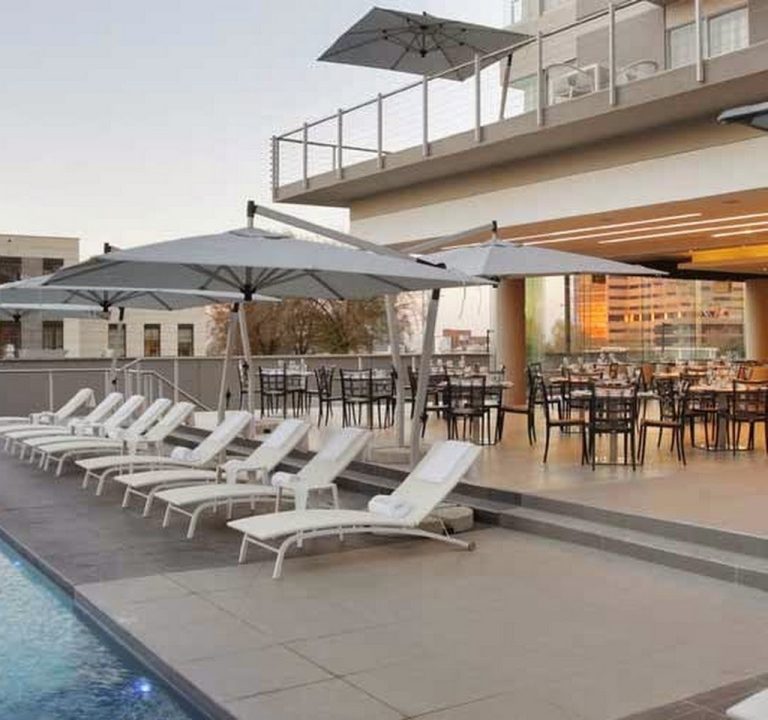
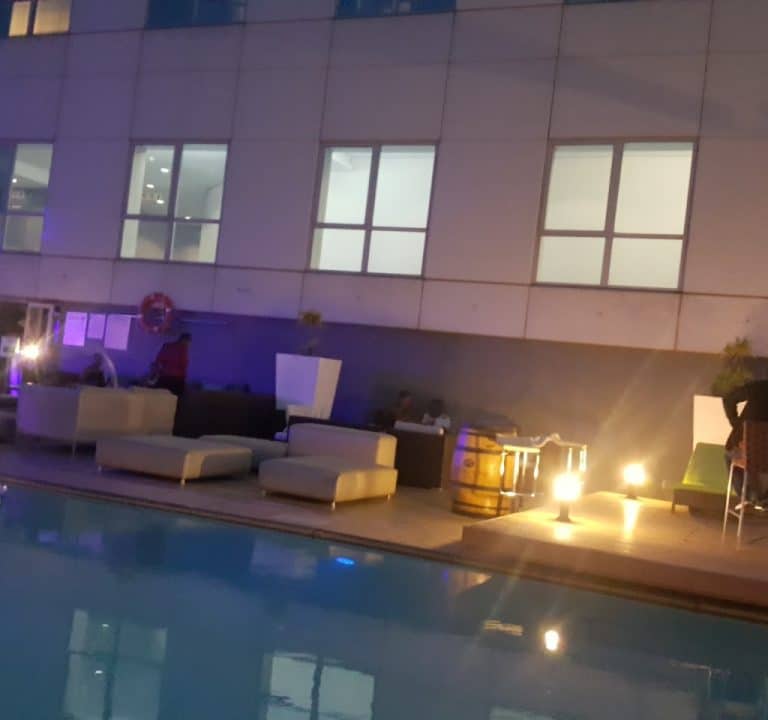
- On‑site facilities such as reliable Wi‑Fi, a gym, kitchen access, or a pool.
- Availability of breakfast options or self-catering facilities.
- Flexibility around check‑in/out times and luggage storage.
Typical amenities you might encounter include en‑suite bathrooms, air conditioning, tea and coffee making facilities, and in‑room safes. Many properties offer a concierge desk or front‑of‑house team to help with itineraries, restaurant bookings and transfer arrangements. If you’re travelling with family or a group, look for adaptable rooms, suites, or the possibility of connecting rooms. For longer stays, properties with kitchens or kitchenettes, laundry facilities, and luggage storage can be particularly convenient.
Areas to consider
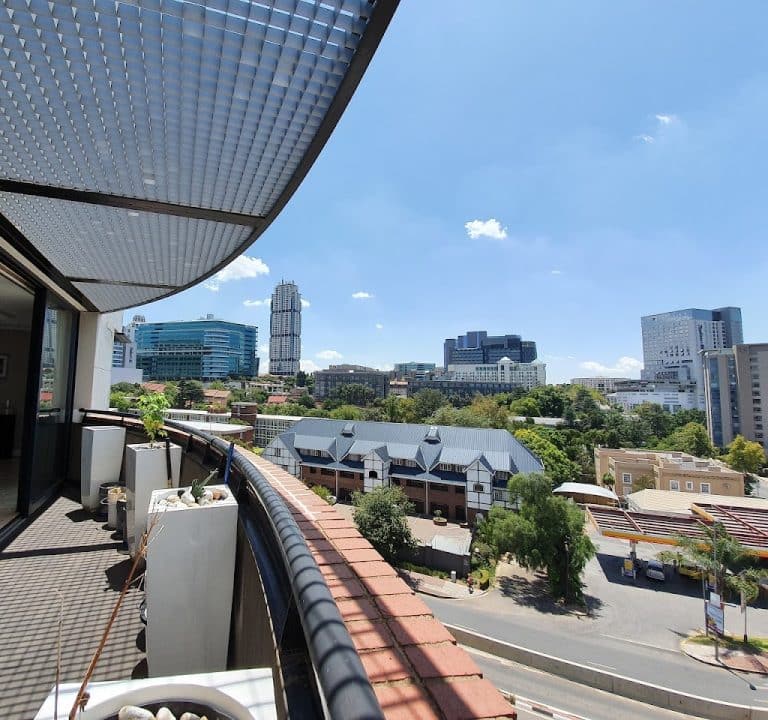
Sandton is a mature commercial and shopping hub with a modern skyline, upmarket dining, and easy access to Sandton City and the Gautrain. It’s ideal for those who want a buzzy urban base with straightforward connections to northern Gauteng and the airport via rail and road.
The Johannesburg CBD offers a blend of history and culture, with museums, markets and a growing number of stylish cafés and restaurants. It’s a practical choice if you wish to be close to business districts or heritage sites, but do consider security and street activity when exploring after dark.
Rosebank is known for its markets, boutiques and a lively food scene. It often favours guests seeking bite-sized experiences—easy access to a range of eateries and a walkable neighbourhood vibe. Melville provides a more laid‑back, bohemian feel with resident-friendly taverns and independent cafes, while still being a reasonable jump to central sights and major roadways.
Other suburbs such as Fourways, Fourways Farm, and nearby suburbs offer a mix of modern hotels and guesthouses set in leafy surroundings, sometimes with easy routes to the northern valleys and game reserves for day trips.
Best time to visit
Johannesburg experiences a temperate climate with summer rainfall. The dry winter months (May to August) can be particularly pleasant for outdoor activities and city exploration, while the shoulder seasons in spring and autumn offer mild temperatures and fewer crowds. If you’re aiming to combine a city stay with a trip to nearby nature reserves or seasonal events, plan to check the local calendar for any markets, festivals, or exhibitions that align with your interests.
Practical planning tips
- Allow extra time for travel between neighbourhoods, as traffic can be heavy during peak hours and weekends can bring unexpected delays on major arterials.
- Consider arranging airport transfers or pre-booked taxis for arrival and departure, especially if you’re unfamiliar with the city’s routes.
- Use hotel or guesthouse staff as a resource for your itinerary—local knowledge can uncover hidden cafés, markets and shortcuts.
- Pack versatile clothing for mixed climates and urban exploration; mornings can be cool, with warming afternoons in some seasons.
- Bring a light lockable bag or pouch for security in busy areas and markets, and keep valuables secure within your accommodation.
Getting around
Johannesburg has a network of roads, rail and bus services. For short hops within a compact area, rideshare apps and taxis are convenient. The Gautrain connects with the airport and offers quick transfers to Sandton and Rosebank, making stays in those districts very practical for visitors who want fast access to different parts of the city and the province. When staying near major centres, you’ll typically find local taxis, rideshare options, and good walkability in a number of streets that are popular with visitors.
Attractions and experiences in broad strokes
During a stay, you can expect a mix of modern urban landmarks, museums, and green spaces. In addition to iconic architecture and shopping districts, opportunities exist to explore cultural museums, nature reserves on day trips, and a restaurant scene that ranges from casual street‑food venues to refined dining. While this article does not list individual venues or prices, most visitors shape their days around a few core experiences—market visits, guided heritage tours, and dining to sample regional flavours. A well‑selected base can help you pace your itinerary and return to rest between explorations.
Accommodation example
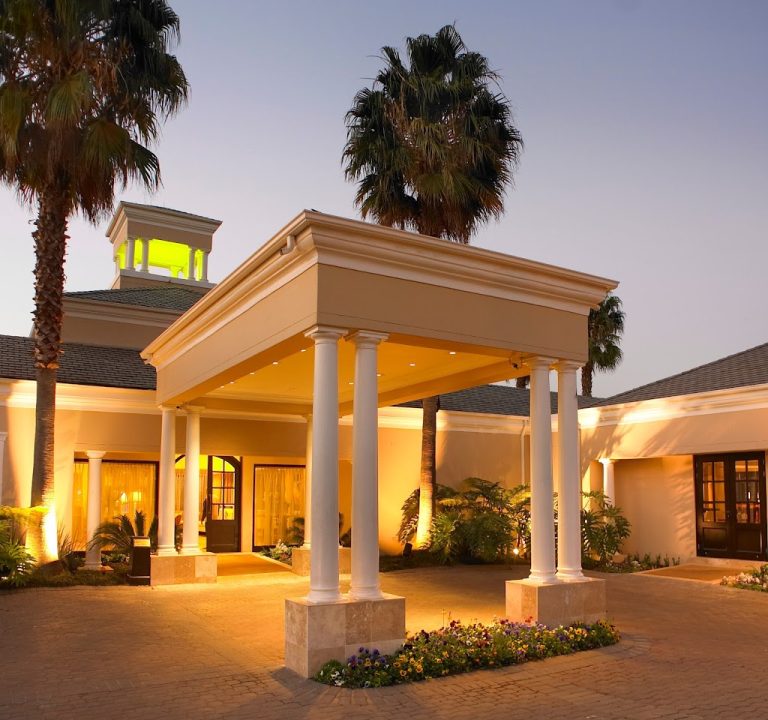
For a reliable stay in a well‑established area, a contemporary hotel situated in Sandton offers comfortable rooms, business facilities, and easy access to major transport links. Such hotels often provide on‑site dining, a reception team to assist with plans, and well‑sited secure parking. You can find further details and booking options at the property’s official website.
Planning a stay in Johannesburg can be highly rewarding when you balance the convenience of location with the comfort of your chosen accommodation, and you tailor your days to rhythm of the city. For inspiration, exploring a modern hotel in a well‑connected suburb such as Sandton can serve as a practical base from which to discover the wider Gauteng region. For more information on specific properties, including the official site for a representative hotel in Sandton, visit the linked property page.