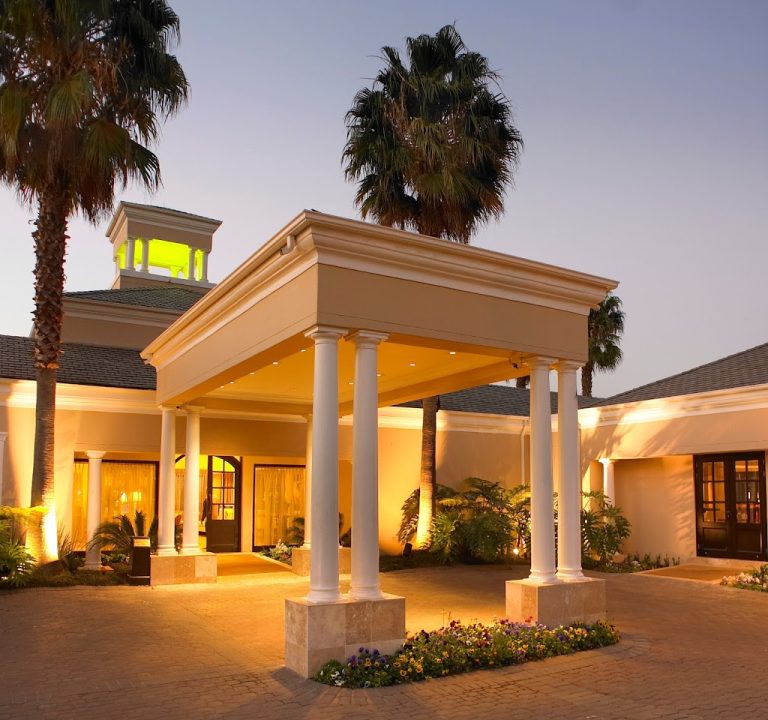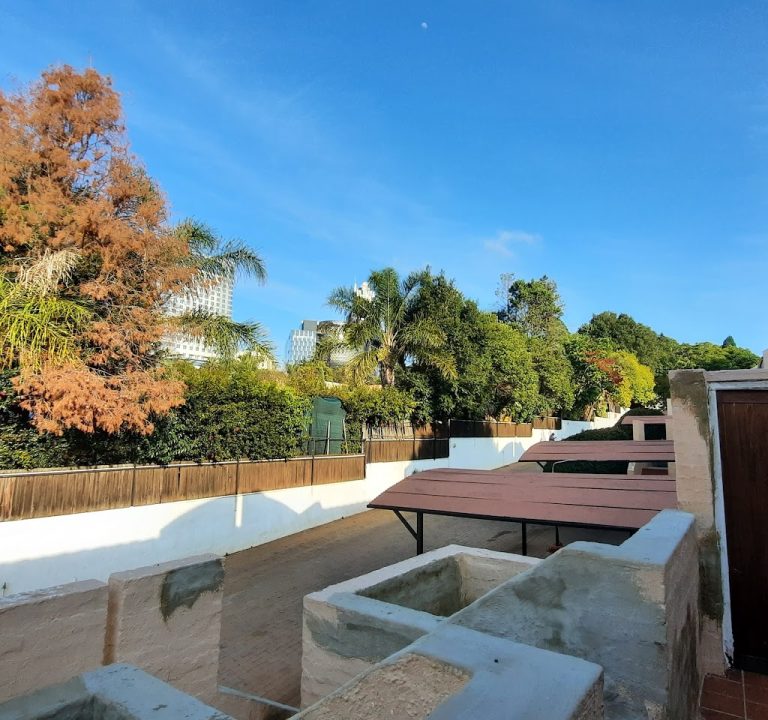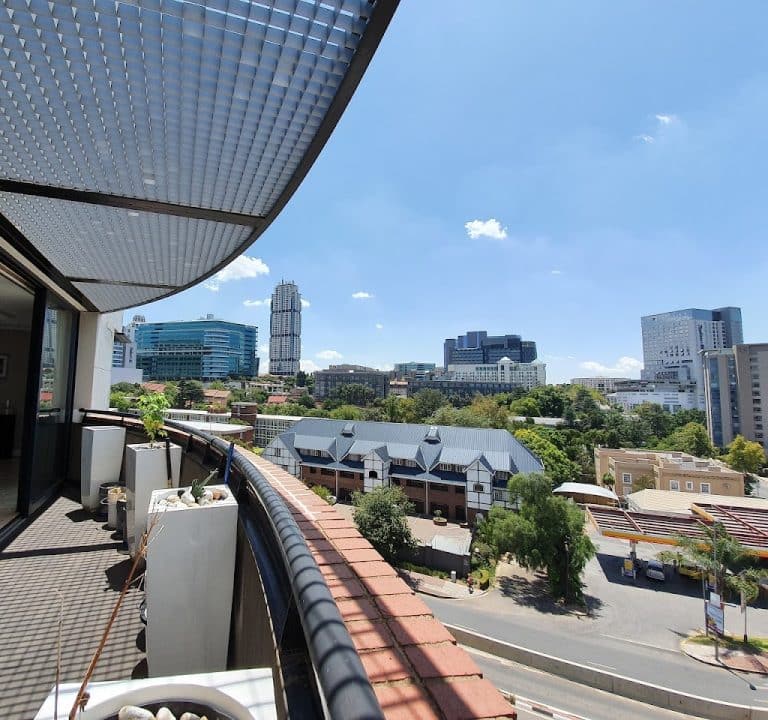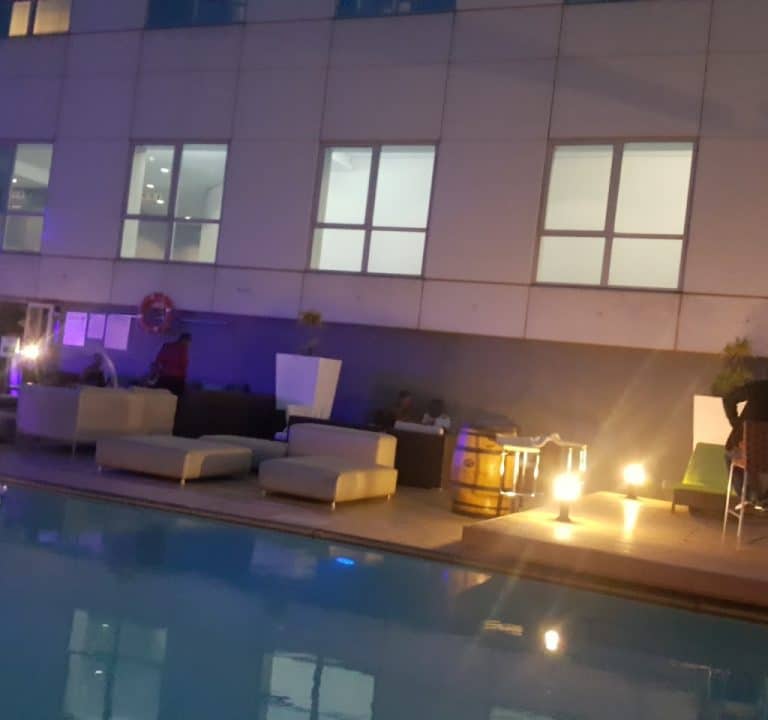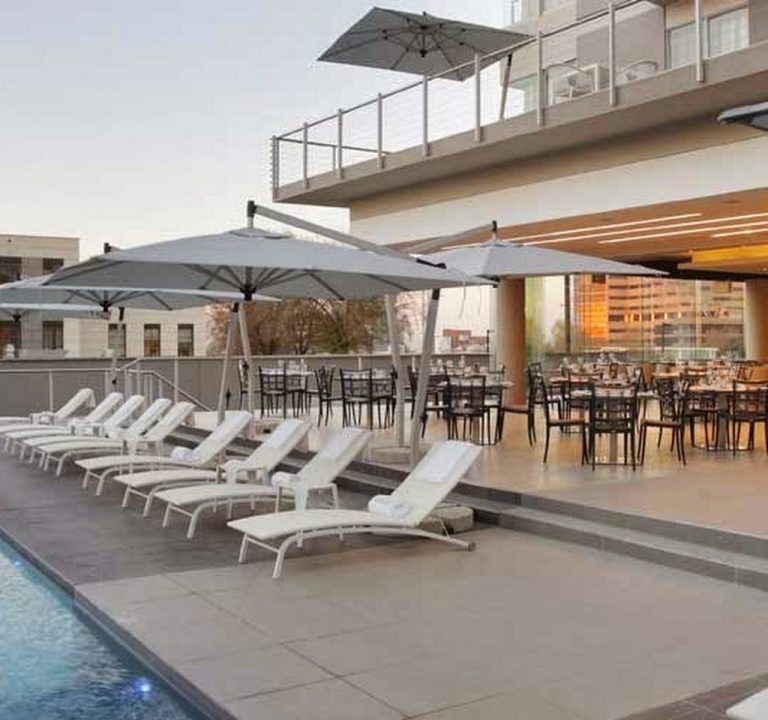
The Capital Support Office is a Corporate office establishment in Johannesburg, Gauteng, South Africa
About The Capital Support Office, Johannesburg
The Capital Support Office in Johannesburg, Gauteng, positions itself within a bustling urban landscape that blends business connectivity with South Africa’s vibrant city life. While specific details about rooms, on-site facilities or tailored guest services are not laid out in the public-facing materials, the property is situated in a locale that is commonly frequented by travellers seeking convenient access to business districts, cultural experiences and the wider Gauteng region.
From an observer’s viewpoint, The Capital Support Office appears to function as a gateway for visitors who value practical convenience in the heart of a metropolitan centre. The setting suggests a focus on efficient operations and a streamlined guest experience, with the architectural and interior approach likely designed to accommodate professionals, short-stay clients and travellers who require reliable access to essential amenities without unnecessary distractions. The emphasis in this context seems to be on dependable service delivery, secure access, and a layout that supports quick check-ins, comfortable work environments and comfortable rest after busy days.
In terms of accommodation style and available amenities, the publicly shared information does not enumerate room types, bedding configurations, specific facilities, or detailed policies. This means prospective guests are advised to review the official site for the most accurate and up-to-date descriptions, including opportunities to tailor stays to business schedules, potential lounge or communal work areas, and any house rules or booking guidelines. Where such details are absent, it is typical for modern urban properties to offer a balance of private accommodation and common areas designed to support productive travel, restful sleep, and easy transitions between meetings, conferences or city explorations.
For whom The Capital Support Office may be best suited, the surrounding city context points to suitability for business travellers, project teams and professionals requiring proximity to Johannesburg’s commercial hubs. The building’s purpose and urban positioning often appeal to visitors who prioritise accessibility, straightforward logistics and the ability to navigate to meetings, clients or coworking spaces with relative ease. While exact targets are not explicitly stated in the accessible materials, the concept aligns with travellers seeking practical, work-forward accommodation experiences in a major South African city.
Nearby highlights—should one wish to explore beyond the premises—will naturally depend on the local geography and the surrounding district’s amenities. In Johannesburg, guests typically look for a mix of business services, cultural landmarks, retail conveniences and dining options in close reach. However, the available public overview does not itemise specific attractions, historic neighbourhoods, parks or galleries in the immediate vicinity. Readers are encouraged to consult maps, the property’s official communications, or trusted travel guides to identify notable highlights, routes for walking or easy taxi connections, and any seasonal events that may enhance a stay.
Booking and travel tips for potential guests include considering the city’s peak travel periods, transport options and the practical needs of corporate trips. When planning arrival and departure, it is prudent to verify access arrangements, security measures, and any requirements related to ID or payment procedures. For travellers unfamiliar with South Africa’s urban traffic patterns, allowing extra time for transfers between the airport, hotel and meeting venues can help minimise stress. The Capital’s official site is a reliable starting point for confirming room availability, rates, and any policies related to cancellations, modifications, and stay requirements.
Operational reminders that travellers may find useful include keeping an eye on the latest website updates for changes in services or amenities, as well as reviewing any cookie notices or consent settings that govern on-site digital experiences. The site’s cookie disclosures indicate a range of technical and analytical tools employed to optimise user experience and security, which is common for contemporary property websites. While these details are not directly related to the guest experience, they reflect a broader commitment to reliable digital functionality that supports booking and information access.
For those seeking direct engagement, visiting the official The Capital website provides the most authoritative source of information regarding current offerings, policies and contact points for inquiries. The site can also link travellers to additional resources, such as nearby dining options, business services, and travel planning tools. In today’s connected travel environment, aligning a stay with verified information ensures accuracy and helps prevent miscommunications about what is available on a given date or in a specific room category.
In summary, The Capital Support Office in Johannesburg appears to be positioned as a practical, business-friendly base within a dynamic South African city. While detailed accommodation specifications are not laid out in the accessible content, the property’s urban setting suggests an emphasis on convenience, security and a straightforward guest experience suitable for professionals and travellers seeking a reliable base from which to work and explore. Prospective guests are encouraged to consult the official website for the most precise details on room types, amenities and booking terms, and to tailor travel plans around personal schedule and business commitments.
- Explore the official site for the latest room information, services and booking terms: The Capital
Johannesburg
Gauteng
Sandown, Johannesburg
South Africa
Johannesburg: Where to stay, eat, and explore in Gauteng
Johannesburg, often simply called Jo’burg or Joburg, is a dynamic gateway to Gauteng’s culture, history and modern lifestyle. When planning a stay, think about the vibe you want, from leafy suburban tranquillity to buzzing urban districts, and how you’ll move around the city. The capital of commerce and creativity offers a broad spectrum of accommodation, dining and experiences to suit families, couples and solo travellers alike.
Accommodation options in Johannesburg range from stylish boutique guesthouses to contemporary hotels and extended-stay apartments. In central and northern neighbourhoods you’ll find venues that aim to blend comfort with easy access to business districts, restaurants and bars. In more residential areas you can expect a calmer ambience, often with larger rooms and kitchen facilities, which can be ideal for longer breaks or travellers who appreciate a home-from-home feel. When browsing, look for properties that emphasise security, reliable housekeeping, and clear guest policies. If you plan to self-cater, check that the kitchen is well equipped and that laundry facilities are available on site or nearby.
Key areas to consider include:
- Sandton: Known for its upscale shopping, business hubs and modern amenities. Ideal for those seeking convenient access to meetings, private transport options and high-end dining.
- Braamfontein and Maboneng: Creative, lively districts with easy access to galleries, casual eateries and cafés. A great base for exploring urban culture and nightlife.
- Rosebank: A balanced mix of markets, eateries and public transport links, with a relaxed pace and convenient access to nearby parks and attractions.
- Soweto and the north-western suburbs: For a deeper dive into history and vibrant local life, with guesthouses and smaller hotels that offer personalised experiences.
Typical amenities to look for when booking include reliable Wi-Fi, secure parking or easy access to public transport, air conditioning or good heating, and 24-hour reception or on-site staff. If you’re travelling with family or a group, consider larger rooms or suites,便 available kitchen facilities, and flexible breakfast options. For business travellers, a quiet work area, power outlets, and good desk space can make a significant difference.
Transport in Joburg is efficient when you know your options. The city has a network of major highways, but traffic can be congested at peak times. Many travellers rely on a combination of rideshare services, metro transfers and reputable car hire. If you prefer not to drive, choose accommodation near a Gautrain station or a well-serviced public transport corridor. Some areas offer walkable streets with easy access to cafés and local markets, which can reduce the need for constant car use.
The best time to visit Johannesburg depends on what you want from the trip. The city experiences warm summers and cooler winters. Spring and autumn offer pleasant weather for outdoor exploration, while the cooler months are comfortable for city walks and indoor museums. Johannesburg’s daylight hours are generous in the warmer months, which helps when you’re sightseeing after business hours. Always factor in seasonal rain and high-season crowd levels if you’re planning certain experiences or a market visit.
When planning activities, Jo’burg rewards a mix of cultural tours, museums and outdoor spaces. General highlights include historical sites, open-air markets, tree-lined parks, and vibrant streetscapes where you can observe daily life and taste a variety of cuisines. For dining, you’ll find a spectrum from traditional South African fare to contemporary international menus. Rather than pinning yourself to a single restaurant list, approach meals as a chance to try different neighbourhoods—perhaps a casual breakfast in one district, followed by a late lunch in another, and supper at a restaurant with a view or a lively ambiance in the evening.
Practical tips to help you make the most of a stay in Johannesburg:
- Book well in advance during peak travel periods or around major events to secure your preferred area and room type.
- Check for security features such as 24-hour reception, gated parking or on-site staff who can assist with taxis and local directions.
- Ask about breakfast options, late check-in procedures and whether the property can arrange airport or station transfers.
- Plan a flexible itinerary that balances indoor experiences (museums and galleries) with outdoor time in parks or nearby nature reserves.
- Carry a light jacket for evenings in some districts, as temperatures can drop after sunset even in warmer seasons.
For those wanting a taste of the city’s energy, consider pairing your stay with a couple of guided experiences—urban walks, street-food tastings, or early-morning markets—so you capture the heartbeat of Joburg without losing the comfort of your base. More information about Johannesburg’s attractions and practical travel planning can be found via local tourism resources and official district guides.
To explore accommodation options and plan a stay, you can visit reputable hotel and guesthouse directories, or consult district-specific visitor guides that highlight neighbourhood character, transport links and nearby dining. For further details about Johannesburg and Gauteng, see official tourism resources and regional business information platforms.
Sorry, no records were found. Please adjust your search criteria and try again.
Sorry, unable to load the Maps API.
Why Claim Your Listing?
Claiming your listing on the B&B Finder directory website is a valuable opportunity for business owners. Here are five reasons why you should consider claiming your listings:
Control Over Business Information: By claiming their listing, business owners can ensure that all the information presented is accurate and up-to-date. This includes details such as contact information, address, pricing, and available services or amenities. Accurate information helps prevent customer confusion and improves overall satisfaction.
Enhance the Listing: Once a listing is claimed, owners can enhance it by adding more comprehensive information and rich media, like high-quality photos and videos. These additions can make the listing more attractive and engaging to potential customers, thereby increasing the likelihood of bookings.
Marketing Opportunities: Claiming a listing can also open up additional marketing opportunities. Owners may be able to participate in promotional campaigns, special offers, and other marketing activities organized by the directory. This can increase visibility and attract more customers to the business.