Your guide to accommodation and experiences in Johannesburg, Gauteng
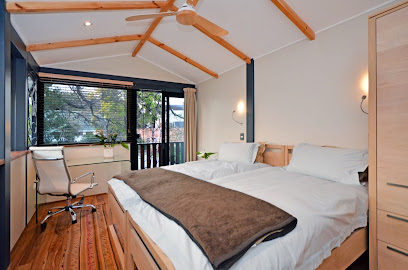
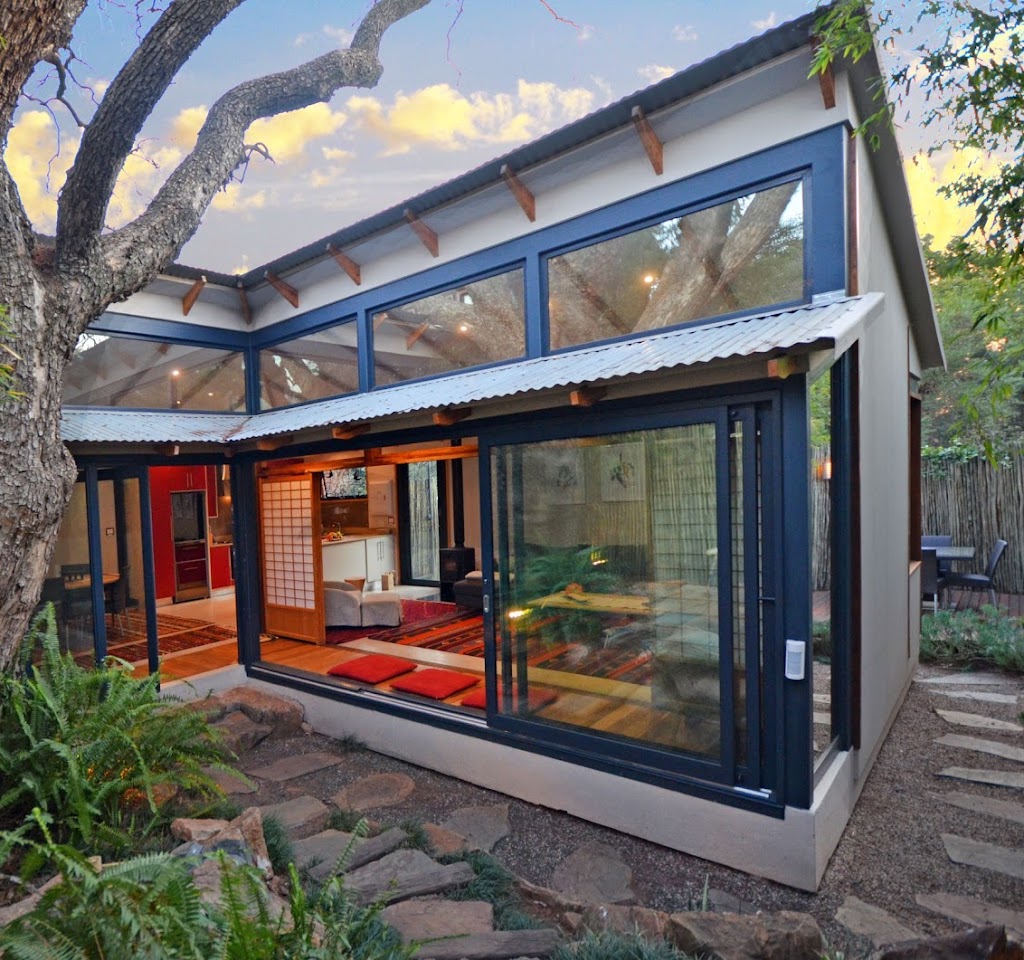
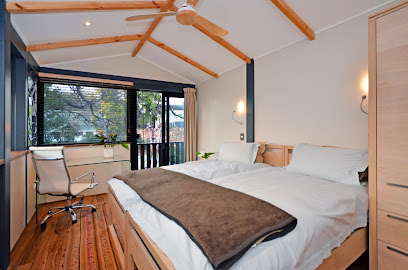
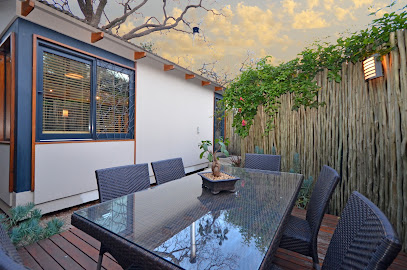
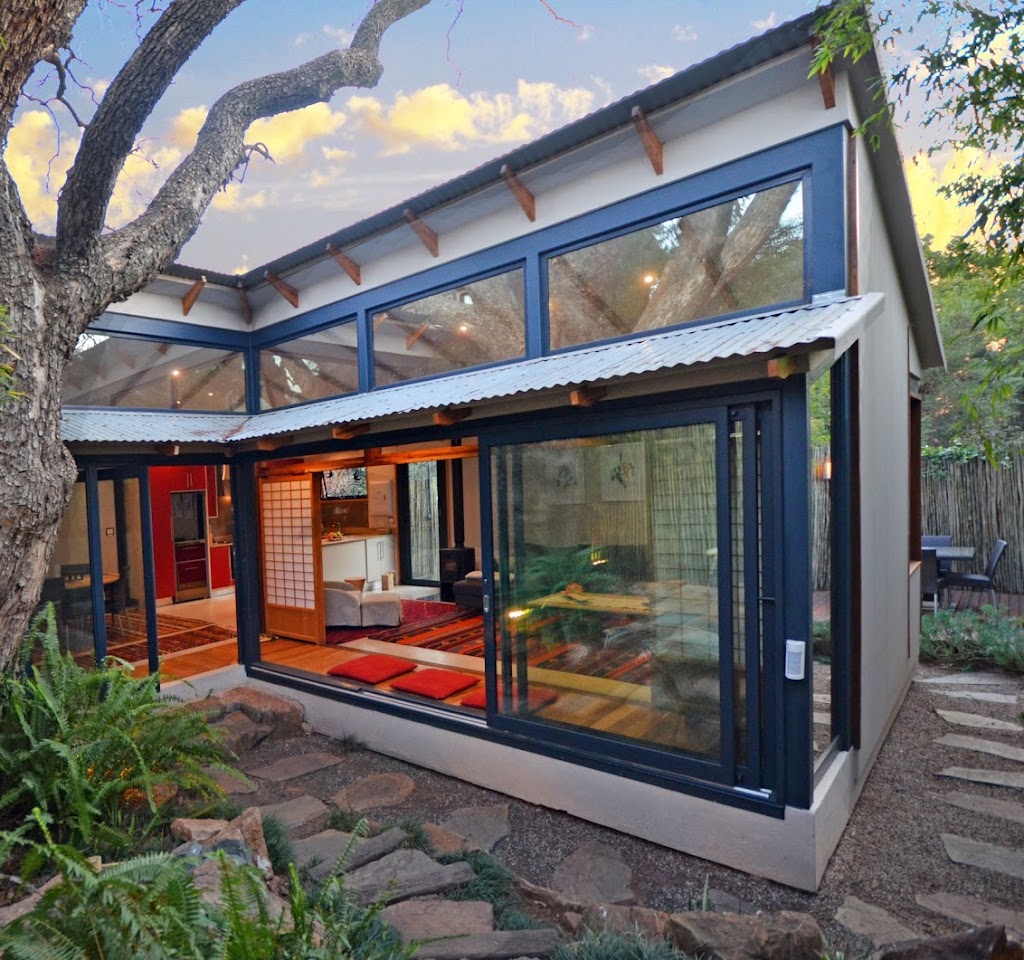
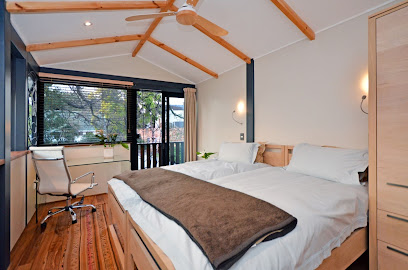
Johannesburg offers a dynamic mix of neighbourhoods, styles of accommodation and a wide range of things to see and do. For travellers seeking a balanced stay, consider choosing a base that aligns with your planned activities, transport needs and preferred pace. Options range from boutique guesthouses and serviced apartments to larger hotels and self‑catering stays. An example is Bamboo Cottage, a holiday apartment rental that can provide a compact, home‑from‑home feel while you explore the city.
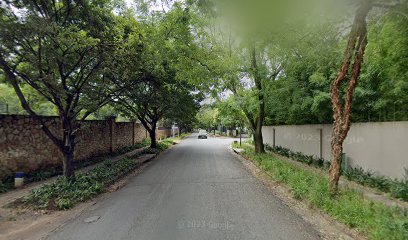
When planning where to stay, think about transport links and safety, as well as the character of each area. The northern suburbs tend to be green, leafy and well-serviced, with a mix of mid‑range hotels, modern apartments and guesthouses that suit families and travellers who value drive‑ability and easier parking. The central area and surrounding belt offer greater vibrancy, shorter hops to museums and business districts, and a wider choice of long‑standing guesthouses and serviced apartments. Southern and eastern neighbourhoods can provide excellent value, good public transport access and a flavour of local life without sacrificing comfort. Consider staying near a main railway line or a major bus corridor if you’re planning day trips or easier access to the airport shuttle routes.
Typical amenities to look for when booking include reliable Wi‑Fi, ventilation and climate control, secure access, and clear information on housekeeping, laundry facilities, and on‑site parking or nearby alternatives. Self‑catering options are popular for longer visits, with kitchens equipped for basic cooking and supermarkets within easy reach. If you prefer a more hands‑off stay, look for properties that include daily housekeeping, a front desk or on‑site host, and concierge services for local recommendations.
Transport considerations are important in Johannesburg. Car rental is common for visitors who wish to explore beyond the immediate city core, albeit with careful planning for peak traffic times. If you plan to rely on public transport, check the proximity of your accommodation to main routes and the frequency of services. Ride‑hailing is widely available, and some areas offer safer, well‑lit pedestrian routes at night. For day trips to natural areas or nearby towns, verify whether your stay provides clear guidance on routes or organised excursions.
Best time to visit Johannesburg is influenced by weather and your planned activities. The city enjoys a mild winter and summer, with occasional afternoon thunderstorms in the late spring and summer. Winter can be a great time to enjoy museums and indoor attractions with fewer crowds, while summer invites outdoor experiences and longer daylight hours. If you’re keen on outdoor markets and events, spring and autumn generally offer pleasant conditions for city strolls and neighbourhood explorations. Always check local event calendars before you travel to align your dates with festivals, exhibitions or food markets.
Accommodation in Johannesburg frequently balances comfort with convenience. Look for properties that clearly outline neighbourhood highlights, nearby parks and safe walking routes, and practical details such as parking arrangements, elevator access, and quiet hours. A well‑located stay can halve travel time and increase your ability to enjoy late‑afternoon panoramas, rooftop views, or sunset walks through vibrant streets. If you’re visiting with family or a group, consider apartment‑style stays with multiple bedrooms or interconnecting suites, as these often offer better value and more flexible common spaces than multiple hotel rooms.
Exploring the city’s attractions and dining scene can be part of an effortless routine when you plan thoughtfully. In general terms, Johannesburg offers a rich tapestry of cultural and historical experiences, from acclaimed museums and art galleries to expansive parks and engaging markets. For food lovers, expect a diverse range of restaurants and casual eateries that reflect South Africa’s cuisine and multicultural influences. When you’re short on time, join guided tours or use a trusted local guide to learn about the city’s layout, the stories behind different neighbourhoods, and practical tips for safe, enjoyable exploration.
Practical tips to keep in mind: book early in peak seasons and mid‑week if your dates are flexible, compare cancellation policies, and read guest reviews for real‑world insights on noise, comfort and accessibility. Verify the property’s approach to cleaning and linen turnover, and whether there are shared spaces you’ll use frequently, such as kitchens or lounges. Pack adaptively for climate variations and bring a light layer for evenings. If you’re staying in a self‑catering option, create a simple meal plan to avoid last‑minute dining stress and keep a modest shopping list handy for essential groceries.
- Areas to consider: green northern suburbs for convenience and comfort; central areas for easy access to culture and nightlife; affordable options in the east and south with good transport links.
- What to look for: clear location descriptions, safety and security features, reliable Wi‑Fi, and transparent housekeeping policies.
- What to pack: comfortable walking shoes, a light coat for cooler evenings, appropriate adaptors for local outlets, and a small bag for day trips.
For further inspiration and practical planning, you can consult official tourism resources and reputable travel guides. They can help you assemble a balanced itinerary that blends accommodation, transport, and must‑see experiences without overloading a single day. With careful planning, Johannesburg can be a dynamic base from which to discover Gauteng’s landscapes, history and hospitality.