Johannesburg stay: accommodation options, areas to consider and practical tips for visitors
Johannesburg, or Jo’burg as it is sometimes affectionately called, offers a wide range of accommodation to suit different itineraries and budgets. From intimate bed & breakfast properties tucked away in leafy suburbs to contemporary hotels near major transport hubs, travellers can find places that feel both convenient and welcoming. When planning a stay, it helps to think about what you want to get from your trip: a city-centre base close to museums and nightlife, a quieter residential neighbourhood with easy access to parks and dining, or a modern hotel near the airport for an early departure.
One of the most important decisions is choosing the right area. The central city area provides proximity to cultural institutions, markets and a mix of eateries, but it can be busier and noisier than other neighbourhoods. Morningside, Sandton and Bryanston offer more suburban comfort with shopping malls, business districts and reliable transport links. Suburban hubs such as Rosebank, Melville and Parkhurst provide a village feel, with boutique guesthouses and a selection of restaurants, bars and cafés that are easy to walk between. For a more residential, family-friendly atmosphere, neighbourhoods like Parkview and Houghton blend leafy streets with easy access to the northern suburbs and the city centre. When booking, look at distance to the places you plan to visit, plus access to public transport or reliable road connections if you plan to explore widely.
Typical accommodation options include stylish bed & breakfast properties, boutique guesthouses, mid-range hotels and upscale hotels with extensive amenities. A B&B or guesthouse often offers a personalised touch, friendly hosts and a continental or cooked breakfast, which can be a real time saver if you have an early day ahead. In contrast, hotels frequently provide on-site dining, larger reception areas and a broader range of services. If you are travelling as a couple or a small group, a well-reviewed homestay or guesthouse can provide a homely atmosphere with useful local tips from hosts.
When booking, consider the following features and amenities. A guest-controlled privacy option such as secure access or a 24-hour reception is valuable in a fast-changing city. Free, reliable Wi-Fi is essential for planning day trips and staying in touch with friends or family. An in-room workspace can be convenient for travellers who need to catch up on correspondence. A well-equipped kitchen or kitchenette may be a plus for longer stays, while an on-site dining option or nearby eateries can offer flexibility without the need to venture far for meals. Parking arrangements, whether on-site or secure street parking, are worth confirming in advance. Other practicalities include air conditioning or heating, a clothes-drying facility and luggage storage for late departures.
Transport is a practical consideration in Johannesburg. The city has a rail network that connects some suburbs with the city centre, and ride-hailing services are widely available. For travellers who prefer not to drive, staying near a Gautrain station or major bus routes can simplify day trips to surrounding areas. If you are planning a self-guided exploration, mapping out a rough route between your accommodation, museums, markets and dining destinations will help you manage time and energy, especially in peak traffic hours.
Best time to visit Johannesburg depends on preferences for weather and activities. The city enjoys mild winters and warm summers. Winter (June to August) can be a good time for city highlights and cultural venues, while the summer months (October to April) bring vibrant outdoor markets and gardens, though afternoon showers are possible. Pack a light rain layer for summer storms and comfortable walking shoes for long days in museums, galleries and parks. If you are visiting for an event or festival, check the local calendar ahead of time, as Johannesburg’s social life often follows seasonal showcases and markets rather than rigid price cycles.
Practical tips to maximise a stay in Johannesburg include booking well in advance for popular periods and considering a stay that blends city access with a calmer neighbourhood feel. Verify the property’s policies on housekeeping, security, and breakfast service, and read recent guest reviews to gauge anything that may affect your plans. It is wise to plan a flexible itinerary that balances indoor experiences (museums, galleries, theatres) with outdoor spaces (parks, markets, viewpoints) to accommodate weather shifts. If you plan to dine out, Johannesburg offers a diverse culinary scene ranging from traditional South African fare to contemporary, globally inspired eateries; many places are easily found within short walks or rides from central hubs.
For inspiration on areas to explore and places to stay, you can consult official tourism information and guides. Websites such as the city’s tourism portal provide practical neighbourhood insights and updates on attractions and events. If you are staying at a property with a local host, ask for personalised recommendations on nearby cafés, markets and unexpected finds—these local tips can offer a flavour of Johannesburg beyond the well-trodden paths.
- Look for accommodation with clear cancellation terms and transparent pricing
- Check proximity to transport options and the attractions you wish to visit
- Confirm essential amenities: Wi‑Fi, secure parking, air conditioning and reliable hot water
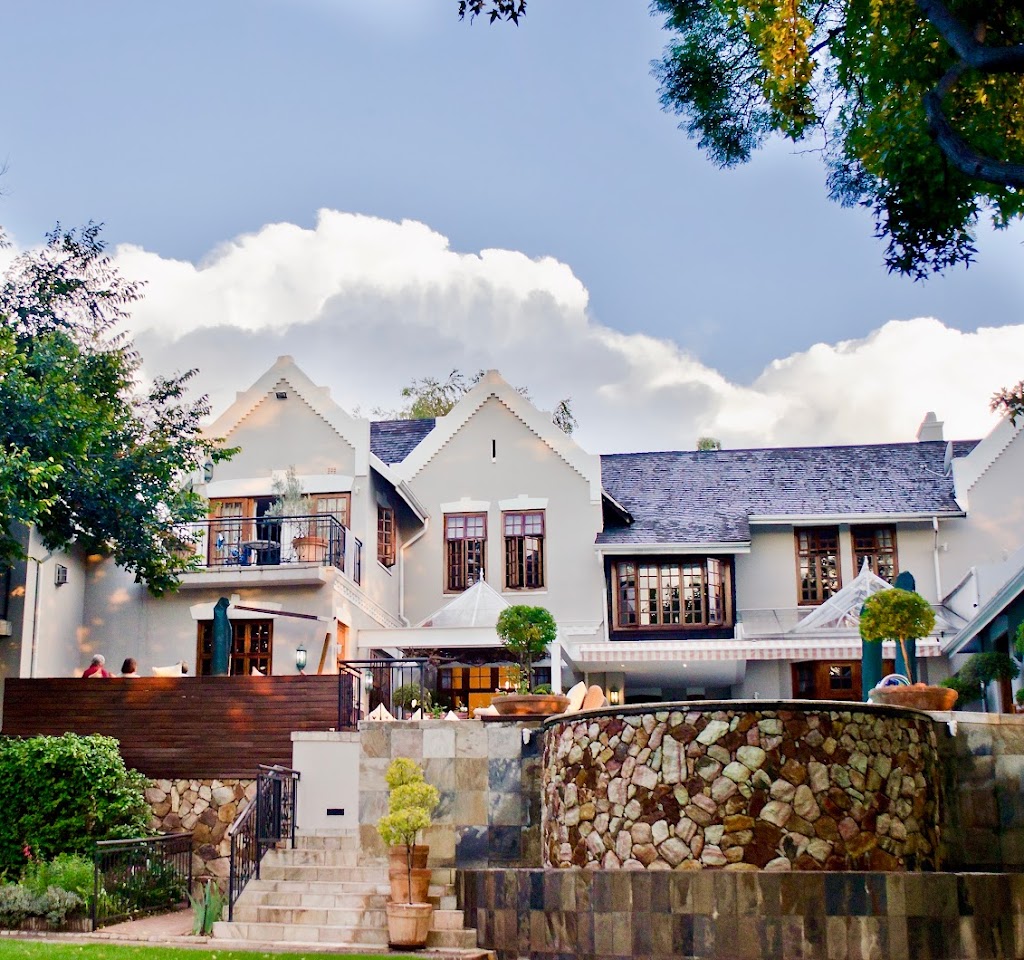
For further planning, see general guidance on Johannesburg’s visitor experiences and how to plan an efficient stay. Explore ideas at https://www.joburgtourism.org.za and consider longer stays if you want to acclimatise, relax in parks, and enjoy a blend of cultural and culinary discoveries. If you happen to come across a distinctive B&B such as Doveton House, a welcoming base in a residential setting can offer an intimate introduction to city life while keeping you well connected to major sights and transport links.