Johannesburg: A guide to accommodation, areas to stay, and where to explore
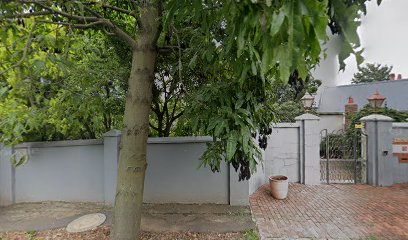
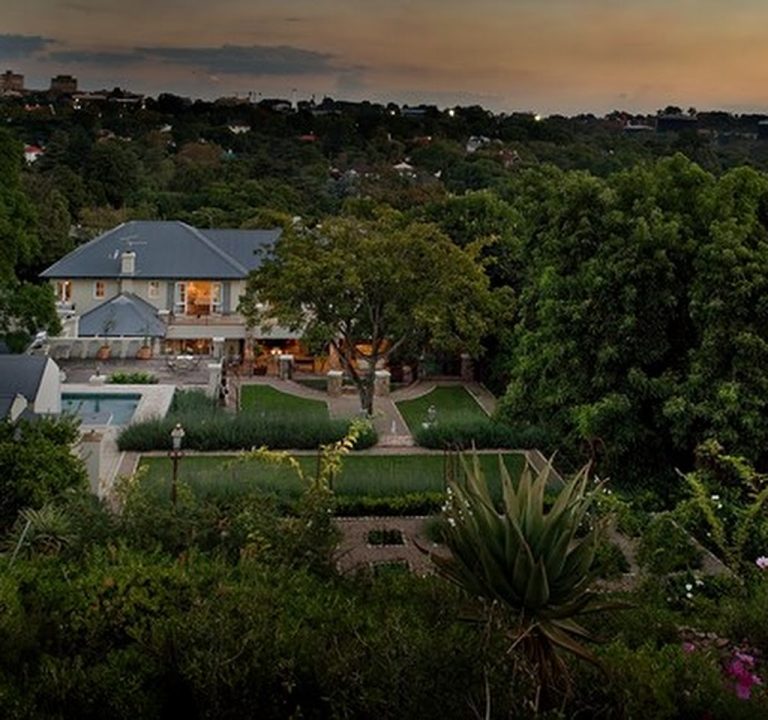
Johannesburg, or Jo’burg, is a sprawling city with a dynamic mix of neighbourhoods, each offering a distinct flavour of South African life. When planning a stay, consider the type of experience you want: a boutique bed and breakfast nestled in a leafy street, a modern hotel in a bustling business hub, or a guesthouse with a homely feel near cultural precincts. Indoor lodging options such as B&Bs often pair comfortable rooms with a hearty breakfast, giving you a taste of local hospitality alongside a convenient base for touring the city. For example, Avondsrus B&B represents one style of such accommodation, offering a simple, welcoming space within easy reach of central attractions.
Areas to consider when selecting where to stay vary by pace and proximity to the sights you care about. Sandton sits at the heart of business and shopping, with upmarket lodgings, easy access to major highways, and frequent air connections. Rosebank provides a more relaxed vibe with boutique stays, markets, and green spaces, while Braamfontein and Newtown appeal to visitors seeking nightlife, street art, and a compact, walkable centre. Maboneng is popular for urban culture and trendy eateries, whereas Soweto offers a deeper dive into history and community experiences that are closer to the city’s southern edge. For families or those hankering a leafy residential feel, northern suburbs such as Fourways or Randburg can be practical bases with quieter streets and larger spaces.
What to look for when you book a place in Johannesburg varies by season and itinerary. Key features to prioritise include secure parking or easy access to public transport, reliable Wi‑Fi, and responsive hosts or front desk staff. If you plan pre-dawn or late returns from meetings or events, a property with 24‑hour reception or clear security reminders can be reassuring. Practical room details such as air conditioning or ceiling fans, adequate heating for cooler nights, and en-suite bathrooms help ensure comfort across the city’s varied climate. A breakfast option is a common benefit at B&Bs and many guesthouses, but some self-catering units offer kitchens if you prefer more control over meals. When booking, check cancellation policies and the property’s safety features, including secure entry points and well-lit surroundings.
Typical amenities you may encounter include on-site parking, complimentary Wi‑Fi, a tidy lounge or communal kitchen, and access to outdoor spaces such as a pool or garden. For business travellers, proximity to business districts and conference venues can save time, while families may prioritise larger rooms or suites with room to move. Hotels and guesthouses often emphasise cleanliness, prompt housekeeping, and friendly local advice on dining and day trips. If you’re seeking a more immersive stay, some B&Bs and boutique lodges offer curations of local art, bookable city tours, or cultural experiences that can help you see Johannesburg through a resident’s eyes.
Transport in Johannesburg is practical but varies by district. The city is large, so consider your daily plans when choosing a base. The Gautrain provides rapid, direct links from OR Tambo International Airport to key suburbs and the city centre, making a quick urban connection feasible for those arriving by air. Within the city, ridesharing services, taxis, and car hire are common. If you plan to self-drive, ensure secure parking and clear access routes, as traffic can be busy and parking can be limited in certain precincts. For visitors who want to explore beyond the city, a guided day trip to nearby attractions or a township experience arranged through a reputable operator can be insightful and well organised.
The best time to visit Johannesburg is generally during the drier months from late autumn to early spring, roughly May to September. The weather is milder, rainfall is lower, and outdoor exploration becomes more enjoyable. Summer (roughly November to March) brings warm days and thundery showers; it’s a good period for lush parks and markets, but you may need to plan for afternoon rain and higher humidity. If you’re aiming to combine city sightseeing with outdoor attractions or parks, choosing a period with comfortable temperatures will help you maximise time outside.
Practical tips to help you plan a smooth stay:
- Assess your priorities: proximity to banks of activities (arts, cuisine, history) versus a quieter residential feel.
- Book accommodation with clear security features and a reputable approach to guest safety.
- Ask hosts or staff about travel tips, safe neighbourhood routes, and recommended day trips or markets.
- Use water and power efficiently in properties that offer limited resources, and be mindful of local etiquette in residential areas.
- Ensure you have a flexible plan for evenings; Johannesburg offers diverse dining options ranging from casual eateries to finer dining, but some venues may require reservations.
Beyond the room, consider how you’ll fill your days. You’ll likely want a balance of cultural museums or galleries, major shopping hubs, and outdoor spaces. City tours and guided experiences can illuminate Johannesburg’s history and contemporary vitality, while dining districts offer a spectrum of cuisines and ambiences. For a well-rounded stay, pick a base that puts you within easy reach of your chosen activities and allows you to unwind comfortably at the end of busy days.
Whether you’re seeking a cosy B&B with a homely touch, a stylish urban lodge near the city’s pulse, or a family-friendly guesthouse with generous spaces, Johannesburg offers a spectrum of indoor lodging to suit your style. By planning around neighbourhood character, transport options, and practical comforts, you can enjoy a memorable visit to South Africa’s largest city while staying relaxed and well-oriented.