Discovering Johannesburg: Where to stay, what to do, and how to plan your visit
Johannesburg, a dynamic hub of culture, history and modern urban life, offers a wide range of accommodation to suit every traveller. From boutique guest houses to contemporary hotels and leafy B&Bs, you’ll find places that feel both welcoming and well connected to the city’s key sights. A practical approach to planning will help you choose a neighbourhood that matches your interests, whether you’re here for museums, markets, dining or day trips to surrounding Gauteng towns.
When considering areas to base yourself, think about accessibility and atmosphere. The northern suburbs around Sandton and Rosebank are known for upmarket stays, shopping malls and good transport links. Braamfontein and Maboneng on the inner city fringe offer a more energetic, artsy vibe with easy access to galleries, street art and nightlife. For a quieter residential feel within easy reach of central highlights, look to Melville, Greenside or Bryanston. If you prefer green spaces, Houghton and Emmarentia provide tranquil pockets near parks and scenic viewpoints. Johannesburg’s hotel and guest house scene often combines stylish décors with warm hospitality, and many operators tailor experiences for short breaks as well as longer stays.
Typical amenities to expect, regardless of budget, include reliable Wi‑Fi, breakfast options, secure parking or easy access to public transport, and friendly staff willing to assist with planning. Many guest houses and boutique lodges offer individually styled rooms, en-suite bathrooms, and sometimes perks such as a courtyard or garden space for a relaxed morning or evening. If you’re travelling as a family or group, look for larger suites, extra beds or interconnecting rooms. When booking, check whether meals are included or available on request, and whether the property has facilities for guests with mobility needs or special dietary requirements.
Transport is a practical consideration. Johannesburg is a large urban area, so proximity to main routes and easy access to taxi services or public transport can save time. The Gautrain connects OR Tambo International Airport with central Pretoria and Johannesburg’s Sandton area, while many hotels and guest houses in Rosebank and Sandton offer shuttle services or convenient ride-hailing access. If you’re planning day trips to the Cradle of Humankind, the Magaliesberg or surrounding towns, consider staying in a well-located hub with room to chart leisurely routes by car or organised tours.
The best time to visit Johannesburg depends on what you want to experience. The city enjoys a temperate climate with warm summers and mild winters. Peak tourist periods coincide with school holidays and major events, so booking well in advance is wise for popular dates. Spring (September to November) offers pleasant weather and vibrant outdoor markets, while autumn (March to May) brings comfortable temperatures for exploring parks and city walks. Winter can be cooler, but many venues remain lively with indoor attractions and excellent restaurants. Be mindful of afternoon thunderstorms during the warmer months if you’re out exploring street life and outdoor spaces.
Attractions and experiences across Johannesburg are varied and accessible to many interests. Museum lovers might plan visits to national historique sites and galleries that reflect South Africa’s complex history. For a day focused on culture and city living, head to areas with restored buildings, street art, independent cafés, and design shops. Parks and viewpoints offer green respite amid the urban landscape, while markets and food halls provide opportunities to sample local flavours in informal settings. If you enjoy live performance or cinema, check listings for theatres and cultural centres that showcase contemporary work. For a broader understanding of the region, consider a guided tour that expands on the city’s past, its current energy, and how residents live today.
Food and drink in Johannesburg run the gamut from casual eateries to refined dining. In general terms, you’ll find vibrant cosmopolitan offerings—modern eateries, traditional South African cuisine, and international options—reflecting the city’s diverse communities. When selecting a restaurant, ask about ingredient sourcing, set menus, and whether there are recommendations for vegetarian, vegan, or halal meals. If your schedule allows, a leisurely brunch or dinner in a neighbourhood with a thriving café scene can be a highlight of a short stay. For hotel guests, many properties offer on-site dining or curated lists of nearby venues that showcase the city’s culinary breadth.
Practical tips to help you make the most of your stay:
- Read recent guest reviews to gauge the consistency of service and cleanliness.
- Ask about parking arrangements, as options vary between properties in busy areas.
- Confirm what is included in breakfast and whether dietary needs can be accommodated.
- Check proximity to public transport and major routes for convenient day trips.
- Plan a mix of cultural, culinary and outdoor activities to balance your itinerary.
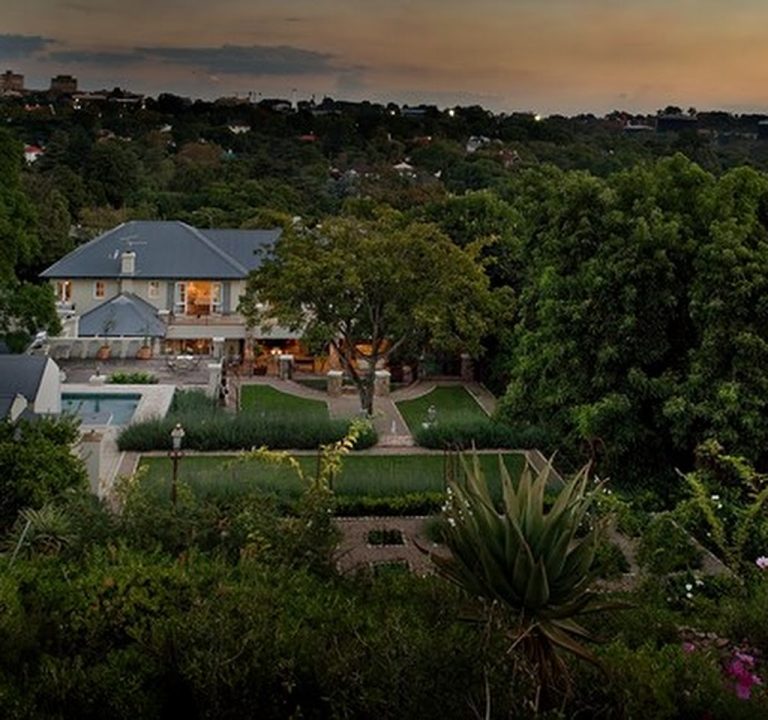
For a sample stay that embodies the spirit of Johannesburg, a well-situated guest house such as Kitson House can offer a comfortable base with personalised service in a convenient area. While choosing your accommodation, consider what experiences you want to prioritise and how you hope to move around the city. With a thoughtful plan, your Johannesburg visit can blend the excitement of urban life with the warmth of Southern African hospitality. For more ideas and practical planning, consult local tourism and official city pages, or explore the pages of trusted accommodation providers that mention their neighbourhoods, nearby attractions and transport options.