Where to stay and what to do in Johannesburg, Gauteng
Johannesburg is a vibrant gateway to South Africa’s hinterland, offering a mix of stylish hotels, intimate guesthouses, and contemporary lodges that suit a range of budgets and travel styles. When planning a stay in the city, it’s helpful to think about what you want from your visit: culture and history, dining and nightlife, or easy access to business districts and transport links. The right neighbourhood can set the tone for your trip, from energy-filled city centres to more leafy, residential areas with a calmer pace.
Central Johannesburg and the inner city offer a window into the city’s dynamic arts and culture scene. Here you’ll find boutique hotels and guesthouses housed in historic buildings, often with thoughtful design, characterful artefacts, and convenient access to museums, galleries, and markets. If you prefer a steadier pace while staying close to the action, consider established districts just a short ride away and equipped with reliable public transport connections.
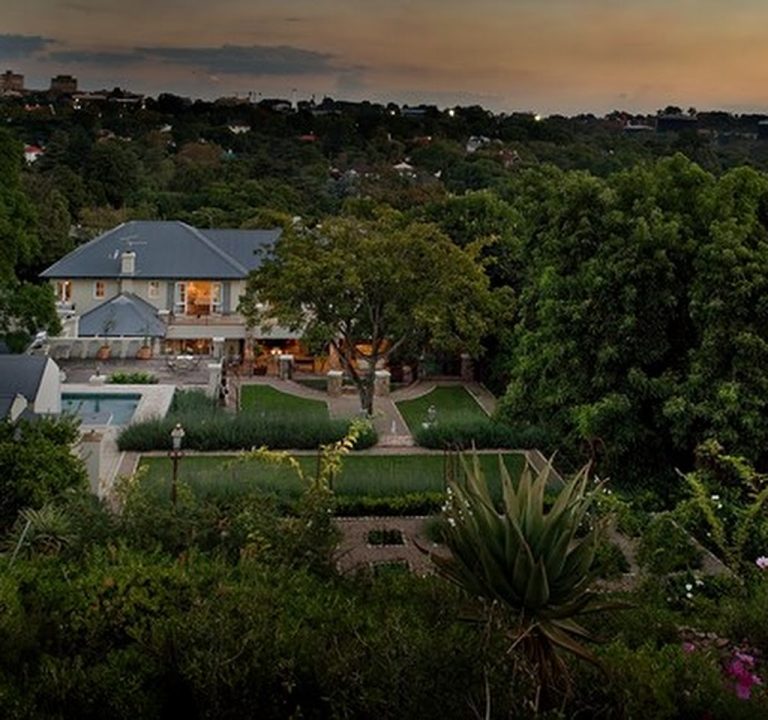
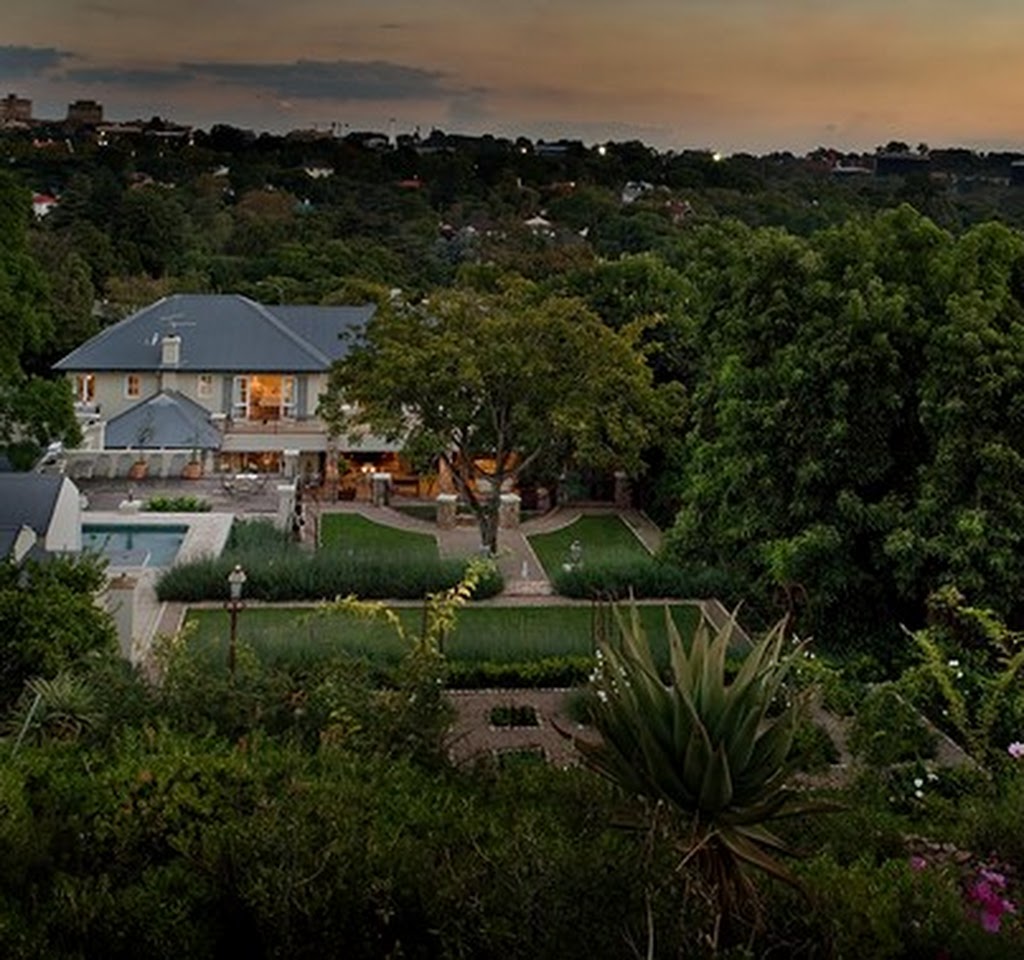
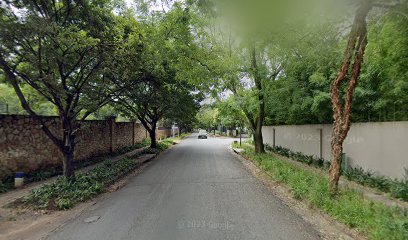
Neighbourhoods to consider include the arts and dining-forward precincts, which are popular for their walkability and evening atmosphere; upscale business and shopping hubs that put comfort and convenience at the fore; and more residential enclaves that provide a quieter base with easy access to Johannesburg’s motorway routes. For travellers wanting a balance of culture and modern amenities, you’ll often find standout options in these areas, with properties ranging from design-led hotels to character-filled guesthouses and stylish boutique stays.
When booking, look for a few practical features to ensure a smooth stay. A reliable front desk or host on hand, clear information about nearby transit and safety, and well-maintained rooms are fundamental. Many properties in Johannesburg offer complimentary WiFi, tea and coffee facilities, and convenient power adapters for international travellers. If you’re planning to explore beyond the city, ask about on-site parking, airport transfer options, or easy access to Gautrain stations, which connect to Pretoria, the airport, and other major towns in Gauteng.
Transport is a practical consideration in Johannesburg. The city’s extensive road network means many guests choose a car, but public transport options, including the Gautrain and local bus services, can be convenient for city centre visits. A stay in or near central hubs often reduces the need for daily car use, while those staying in suburbia may appreciate complimentary parking or easy taxi access. If you anticipate evening outings, choose a place with good neighbourhood lighting, secure access, and 24-hour reception or a responsive host to help with late returns.
Typical amenities you might encounter include air conditioning, soundproofing for restful nights, a well-equipped bathroom, and in-room safety features. Some properties offer on-site eateries or partnerships with nearby cafés, as well as fitness spaces, rooftop terraces, or small courtyards that invite relaxed evenings. For travellers who value a touch of local flavour, boutique stays frequently steer toward design-led interiors and curated recommendations for walking routes, markets, and neighbourhood galleries.
Best time to visit Johannesburg depends on your plans. The city enjoys a temperate climate with hot summers and cooler winters. Summer (roughly November to February) can bring heavy afternoon thunderstorms, while winter (May to August) is generally drier and pleasantly cool. If you’re keen on outdoor activities—such as exploring parks, nature reserves, or nearby hills—consider spring or autumn when temperatures are milder and crowds thinner. Explore calendars of local events but be mindful that peak seasons can influence room rates and availability.
To maximise your stay, plan a balanced itinerary that blends indoor and outdoor experiences. Highlights often include museums and heritage sites that illuminate South Africa’s complex history, vibrant street art and markets that showcase local artisans, and contemporary districts where cafés, eateries, and live music venues create a lively urban rhythm. Dining in Johannesburg ranges from casual eateries offering comforting dishes to fine dining rooms that showcase regional ingredients with international influences. Rather than focusing on specific venues, look for precincts with a mix of casual and more elevated options, so you can tailor each meal to the day’s plans and energy levels.
When it comes to planning a stay, practical tips can make a big difference. Check the cancellation policy and whether breakfast is included or available as an add-on. If you have mobility considerations, confirm accessibility features and lift access where applicable. Consider safe walking routes and ask hosts for up-to-date safety tips tailored to your itinerary. Keep in mind that South Africa uses different electrical plug types, so bring a travel adapter if required. A good step is to map out a few anchor points—your hotel, a couple of recommended eateries, and your primary transport links—to minimise daily decision-making and keep days flowing smoothly.
For inspiration and practical planning resources on Johannesburg, you can explore tourism information and official guides for current highlights, itineraries, and visitor tips. A general online resource such as Johannesburg Tourism offers a helpful starting point for understanding areas to stay, transport options, and practical travel advice.
- What to look for when booking: location relative to desired activities, genuine guest reviews, clarity on inclusions (wifi, breakfast, parking), and transparent cancellation terms.
- Common amenities to expect: reliable WiFi, comfortable beds, quality bedding, air conditioning or good ventilation, in-room storage, and well-equipped bathrooms.
- Smart planning tips: check transit times between the hotel and key sites, consider travel time during peak hours, and note any safety considerations for night-time movements in your chosen area.