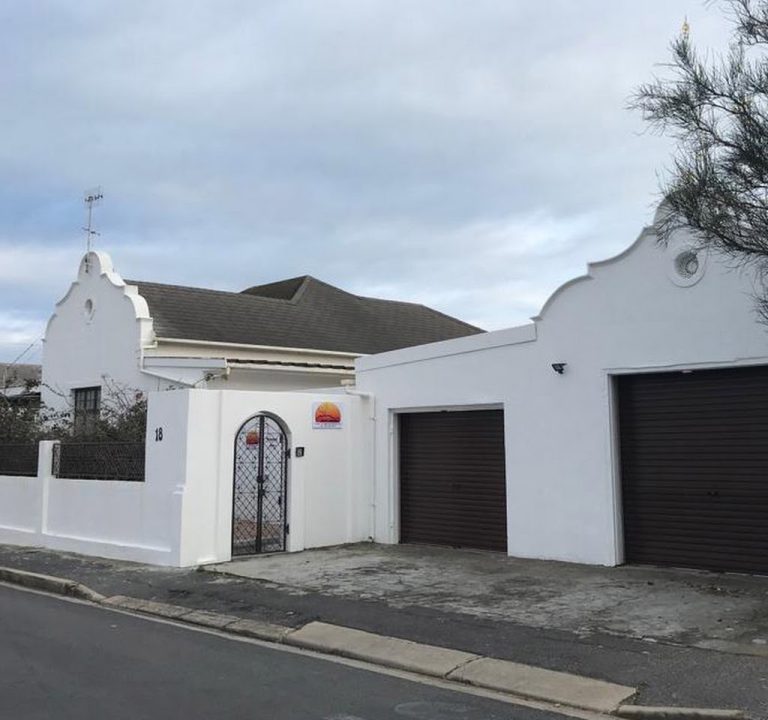
Cape Town: Accommodation and planning essentials for a rewarding stay
Cape Town sits at the southern tip of Africa, where dramatic mountains meet a sparkling coastline. When planning a stay, think of the city as a mosaic of neighbourhoods, each with its own character and access to different kinds of activities. From the leafy lanes of the City Bowl to the sun‑drenched beaches of the Atlantic Seaboard and the historic charm of Bo‑Kaap, your choice of area will shape your daily rhythm, transport needs and even the restaurant scene you encounter each evening.
For those who prioritise views and a beach‑forward vibe, the Atlantic Seaboard offers a range of guesthouses and boutique hotels within easy reach of Table Mountain vistas and long white sands. Camps Bay and Clifton sit at the higher end of the market, while Sea Point and Green Point provide convenient access to promenades, seafood eateries and a lively bar scene. If you’d prefer a more intimate, village feel with a strong sense of history, neighbourhoods such as Bo‑Kaap and the city’s central areas offer easy access to museums, markets and cultural experiences without a long commute.
City Bowl and the central business district are excellent bases for visitors who want to walk to museums, theatres and a wide selection of restaurants. These areas are well served by public transport and rideshailing services, making day trips up Signal Hill, to Kirstenbosch Botanical Gardens or along the scenic coastal routes straightforward. For travellers seeking tranquillity and wine country within reach, Constantia Valley in the southern suburbs provides serene guesthouses and guest rooms nestled among vineyards, with cape‑style cottages and modern inns offering a relaxed pace.
When choosing accommodation, consider the following practical aspects to ensure a comfortable stay. Look for a private or dedicated entrance if you value privacy, convenient on‑site parking if you plan to hire a car, reliable Wi‑Fi for staying connected, and a generous breakfast option if you wish to start mornings with a substantial meal before sightseeing. Some properties include kitchenettes or self‑catering facilities, which can be a boon for families or travellers who prefer the option to prepare light meals. A well‑sited property with good transport links can save both time and hassle, especially if you plan to explore the peninsula or take day trips to nearby coastal towns.
Typical amenities to expect from a traveller‑friendly stay include:
- Comfortable beds with quality bedding and appropriate room temperature controls
- Ensuite bathrooms or well‑appointed shared facilities
- Free Wi‑Fi and available workspaces for guests who mix work with travel
- Secure access, safety features and clear house rules
- Cleaning schedules and fresh towels on a regular basis
- Outdoor spaces such as a terrace, balcony or garden seating
- Helpful information from hosts about local routes, markets, and dining suggestions
Transport in Cape Town is straightforward but planning helps. The MyCiTi bus network offers city centre coverage and connections to the Atlantic Seaboard and other popular areas, though timetables may vary by season. Rideshare services and taxis are widely available, and many guesthouses provide parking or arrange transfers. If you intend to venture to the High‑Veld or nature reserves, a car can be convenient, though many visitor favourites are accessible by guided tours or day trips that depart from central hubs.
Best time to visit Cape Town depends on what you want from your holiday. The summer months (December to February) are warm and lively, ideal for beach‑based activities and outdoor dining, but can be busy. Autumn (March to May) offers pleasant temperatures and fewer crowds, with excellent visibility for coastal walks and panoramic viewpoints. Winter (June to August) is cooler and sometimes wet, yet compelling for cultural events and fewer queues at top attractions. Spring (September to November) offers a balance of mild weather and blooming flora in places such as Kirstenbosch. Pack adaptable layers, sunscreen for clear days, and a light rain jacket just in case.
When planning activities, consider a mix of nature, culture, and culinary experiences. Iconic landscape viewpoints, short scenic hikes, and a ride along the coastline are favourites for many visitors, while an hour or two at a museum or market can provide fascinating insight into local life and history. For dining, Cape Town’s restaurant scene emphasises fresh seafood, modern South African cuisine, and globally inspired menus. Rather than aiming for a specific list of names, look for venues with good reviews, a warm welcome, and dishes that showcase local ingredients. Many establishments offer seasonal menus, wine pairings and outdoor seating that capitalise on Cape Town’s favourable climate.
Practical tips to help you navigate your stay smoothly include checking the security of your accommodation location, arranging a practical packing list tailored to the season, and planning a few “buffer” days to account for weather or fatigue after long travel days. Take sensible precautions with valuables, use safe transport after dark, and keep important documents in a secure place. If you are visiting with family or a group, a place with flexible seating, child‑friendly facilities, and a little extra space for downtime will be valuable. Always confirm what is included in your stay—such as breakfast, parking, or access to shared facilities—before booking, and read nearby neighbourhood notes to understand walking distances and safe routes for day and evening exploring.
For ideas on where to start your planning, browse official tourism resources and guesthouse listings to compare options in different areas. A well‑chosen base can dramatically enhance your Cape Town experience, enabling you to combine relaxation with easy access to the city’s dramatic natural beauty, cultural richness and culinary variety. For ideas on where to explore and useful planning tips, you can visit official tourism sites or reputable travel guides at Cape Town Tourism.