Cape Town: Accommodation, Attractions and Planning Your Stay
Cape Town blends dramatic natural scenery with a vibrant mix of neighbourhoods, making it possible to tailor a stay to almost any traveller’s preference. When choosing where to stay, consider accessibility to the sights you most want to see, as well as the atmosphere you crave—whether it is a scenic coastal retreat, a bustling urban hub, or a leafy hillside retreat with sweeping views. For many visitors, combining a couple of locations—such as a few nights near the V&A Waterfront or the city centre with a few nights along the Atlantic Seaboard—offers the best balance of convenience and character.
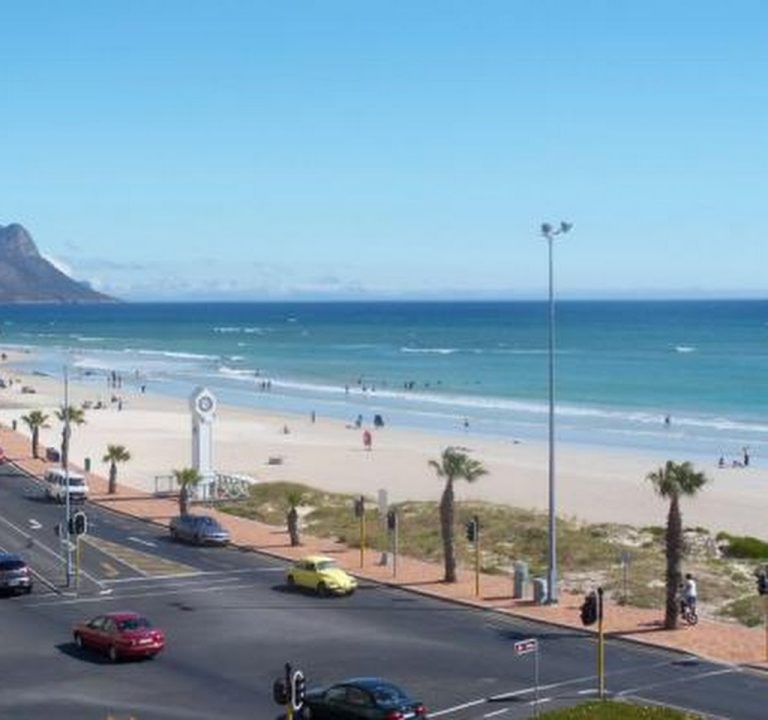
Accommodation options in Cape Town span boutique guesthouses, family-run lodges, and contemporary hotels. In the City Bowl and around the Company’s Garden, you’ll find stylish stays with easy access to dining, museums and markets. Across the Atlantic Seaboard, areas like Camps Bay and Clifton provide beachside stays with a more resort-like ambience. For a wine-country flavour and a quieter pace, Constantia, Hout Bay, or the Southern Suburbs can be ideal bases. Harbour-front properties such as Harbour Terrace Loft Ii, if available, can offer a convenient, weather-friendly base with views over the harbour and easy access to waterfront activities.
Typical amenities to look for include reliable Wi‑Fi, a well-equipped kitchenette or self-catering facilities if you prefer to prepare meals, secure parking, and access to outdoor spaces or a pool. If you are visiting during peak season, check whether the property offers early check-in or late check-out, assistance with restaurant reservations, and local tips. For families or groups, consider apartment-style stays with separate bedrooms and common living areas, which can provide more space and value for longer visits. If you value sustainability, look for places that optimise energy use, water conservation, and recycling practices.
Transport in Cape Town is fairly straightforward, though some planning helps. The MyCiTi bus network covers many parts of the city and can be a affordable way to reach the harbour, the city centre, and some beaches. Rideshare apps are widely available and practical for evening outings or trips to restaurants. If you plan to explore beyond the urban core—such as the Constantia wine route or the Chapman's Peak drive—consider renting a car. Coastal roads can be busy in summer, and parking near popular sites can be challenging, so booking accommodation with parking or convenient parking options is a sensible precaution.
Best time to visit Cape Town depends on what you want from your trip. The city enjoys warm, dry summers (roughly November to March) ideal for beaches, hiking, and outdoor activities. Spring (September to November) and autumn (March to May) bring mild weather and shorter queues at popular sights. Winter (June to August) can be cooler and windier, but it is also a time when you’ll find fewer crowds and good value in many guesthouses and hotels. If you are planning to visit Robben Island or Table Mountain, checks for weather conditions and sea states are wise, as operations can be affected by sea conditions and wind. Beach safety and personal security remain prudent considerations regardless of season, so use common-sense precautions, especially in crowded areas and at night.
When planning a stay, prioritise areas that suit your days. The V&A Waterfront and the city centre provide easy access to museums, galleries, shopping and some of the best restaurant scenes in the region. The nearby Green Point and Sea Point offer a lively promenade, outdoor spaces, and good transport links without feeling far from the action. For a more scenic and tranquil escape, consider Camps Bay or the Constantia valley, where you can combine a relaxing stay with vineyard visits and elevated coastal views. If you want a historic flavour, Bo-Kaap and the surrounding area offer colourful streets, cultural experiences and compact, walkable routes to city sights.
Think about dining and experiences as part of your plan. Cape Town’s culinary scene runs from modern haute cuisine to casual, locally-driven eateries offering seafood, grilled meats, and multicultural dishes. Outside your hotel, you’ll find markets, coffee houses, and wine bars that showcase the city’s cosmopolitan spirit. Practical tips include booking well in advance for popular restaurants and experiences, especially during peak season. Consider guided experiences such as a day trip to the Cape Peninsula, a winelands excursion, or a township heritage tour to gain a broader sense of the area’s history and landscapes. If you enjoy outdoor pursuits, schedule time for a cable car ride up Table Mountain on a clear day, a stroll through Kirstenbosch National Botanical Garden, or a coastal hike along the Atlantic Seaboard paths.
In short, Cape Town rewards travellers who plan a balanced itinerary: a comfortable base, opportunities to explore both urban and natural settings, and time to pause in scenic spaces. With careful selection of where to stay, what to do, and how to move around, visitors can enjoy a rich mix of unforgettable experiences—from iconic viewpoints and world-class cuisine to intimate hospitality and accessible guesthouses that capture the city’s warmth.
- City Centre / V&A Waterfront: easy access to sights, museums, dining, and nightlife
- Green Point / Sea Point: seaside promenades, parks, and quick routes to beaches
- Camps Bay / Clifton: beachside stays with upscale dining and scenic views
- Constantia / Southern Suburbs: tranquil escapes, wine estates, and gardens